


Textured Hair Care Basics


Bestsellers for Ethnic Hair Care
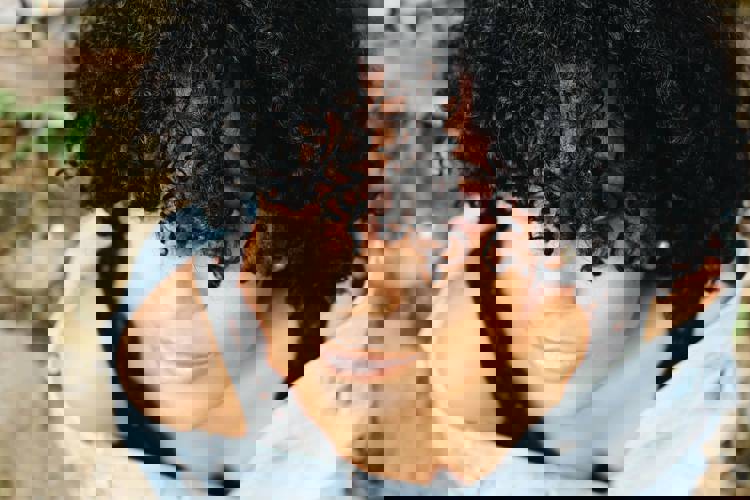
Textured hair needs different care than straight hair because of how it grows. Straight hair grows from follicles (tiny openings in your scalp) that point straight down. Textured hair grows from follicles that are curved or angled. These curved follicles create the waves, curls, coils, and kinks we see. This isn't just about looks—it affects how your hair behaves. Each bend in a curl is a weak spot that can break more easily. The curved shape also stops your scalp's natural oils from reaching the ends of your hair, which is why textured hair tends to be dry.
Why Textured Hair Has Unique Needs
Hair Structure and Curl Patterns
How curly your hair is depends on how curved your follicles are. A slightly angled follicle makes loose waves. A really curved or spiral-shaped follicle creates tight coils. Hair experts group curl patterns into types, usually from Type 2 (wavy) to Type 4 (kinky/coily), with variations within each type. Knowing your curl pattern can help predict what your hair needs, but your individual hair matters more than fitting into a specific box.
The physical shape of a curl creates special challenges. At each curve, the outside of the hair strand stretches while the inside squeezes together. This constant tension makes those spots more likely to break. Straight hair has pretty even stress along its length, but textured hair builds up stress at every bend. This is why textured hair often breaks at the curl points instead of splitting evenly.
Why Natural Oils Don't Reach Your Ends
Your scalp makes natural oil (called sebum) that's supposed to condition and protect your hair. Little glands attached to each hair follicle produce these oils. In straight hair, gravity helps the oil slide down the smooth hair shaft to coat the whole strand. Textured hair is more complicated. The oils have to travel around each curl, twist, and coil, which slows everything down. In really tight coils, the oil might never reach the ends without help.
This is why textured hair is often dry even when your scalp makes enough oil. The ends of your hair are usually the oldest and driest parts—sometimes years old and never touched by scalp oil. This makes outside moisture sources (conditioners, leave-ins, oils) necessary, not optional. Your hair can't rely on scalp oil alone.
Spreading oil manually becomes part of caring for textured hair. Many people use techniques like "scrunching" products upward or "praying hands" (smoothing products between your palms, then running them down your hair) to make sure products coat evenly. These techniques make up for what gravity can't do naturally.
Porosity and How Your Hair Absorbs Products
Porosity is how well your hair absorbs and holds onto moisture. It's mostly determined by the cuticle, which is the outer protective layer of each hair strand. Think of the cuticle like roof shingles—overlapping cells that cover the hair. In low porosity hair, these cells lie flat and tight, making it hard for moisture to get in. In high porosity hair, the cuticle cells are lifted, damaged, or missing, so moisture gets in easily but also escapes just as quickly.
Textured hair often has higher porosity than straight hair because of how it's built. The cuticle naturally lifts at curl points because of stress. Chemical treatments like relaxers or color damage the cuticle even more. Heat styling, weather, and rough handling add to the problem. Understanding your hair's porosity helps you figure out which products will work best.
Low porosity hair pushes away water and products at first. It does better with light products and sometimes needs heat (warm water, a hooded dryer, or steam) to help products sink in. High porosity hair soaks up products easily but loses moisture quickly. It needs heavier products that can seal the cuticle and lock moisture in. Medium porosity hair is in between and usually has the easiest time staying moisturized.
Testing Your Porosity: Take a clean strand of shed hair (it must be clean because product buildup messes up the test) and put it in a glass of water. Low porosity hair floats, high porosity hair sinks fast, and medium porosity hair hangs in the middle before slowly sinking.
Essential Product Categories
Textured hair care needs multiple types of products, each doing a specific job. Unlike straight hair routines that might just use shampoo and conditioner, textured hair typically needs cleansers, moisturizers, stylers, and treatments. Understanding what each type does helps you build a routine that works without buying unnecessary products.
Cleansers: Shampoos and Co-Washes
Shampoos clean your scalp and hair by removing dirt, oil, product buildup, and environmental gunk. Traditional shampoos contain cleaning agents called surfactants, like sulfates, which work really well but can strip away too much natural oil. For textured hair that's already struggling with dryness, harsh shampoos can make things worse. Sulfate-free shampoos use gentler cleaners that still get the job done without being too harsh.
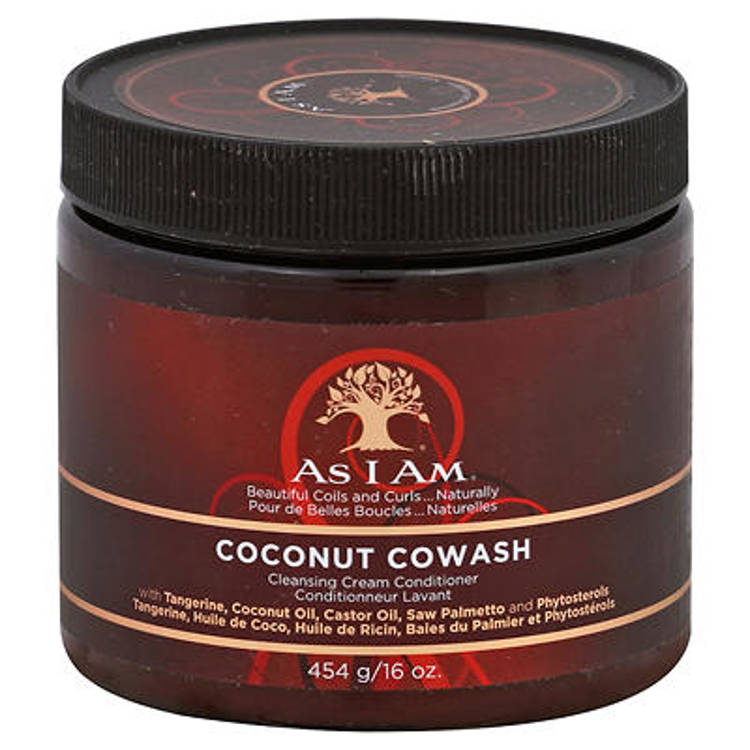
Co-washes (short for conditioner washes) are cleansing conditioners that clean hair without traditional harsh ingredients. Products like As I Am Coconut Co-Wash use mild cleaners mixed with conditioning ingredients. Co-washing works well if you need to wash often but don't want to dry out your hair. It removes light dirt and refreshes hair between full shampoo sessions.
Whether to use shampoo or co-wash depends on your scalp and what products you use. If you use heavy oils, butters, or styling products, you need the stronger cleaning power of shampoo to prevent buildup. If your scalp doesn't make much oil or you use light products, co-washing might be enough. Many people switch between the two, using shampoo weekly or every two weeks and co-washing in between.
Moisturizers: Leave-In Conditioners, Creams, and Oils
Leave-in conditioners provide ongoing moisture after washing. Unlike regular conditioners that you rinse out after a few minutes, leave-ins stay in your hair to keep it hydrated. Products like Aunt Jackie's Leave In Conditioner or Carol's Daughter leave-ins are usually liquid or light cream. They contain ingredients that pull moisture from the air (called humectants) like glycerin, plus ingredients that soften.
Hair creams are thicker moisturizers that provide both moisture and hold. Cantu Shea Butter Curl Activator Cream and similar products contain water-based moisture plus heavier ingredients like shea butter or coconut oil. Creams work well for defining curls while moisturizing—they do double duty. They're especially good for medium to high porosity hair that needs substantial moisture.
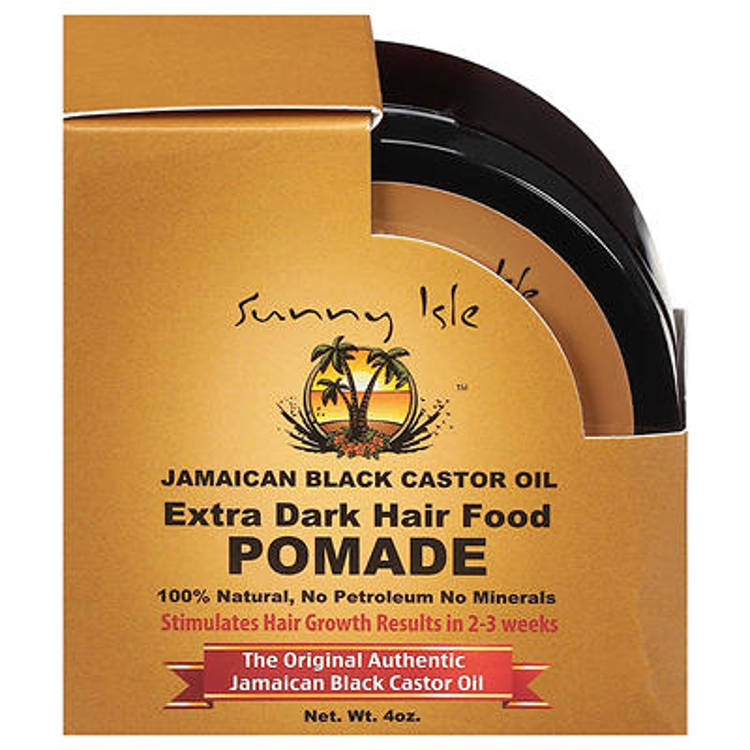
Oils do multiple jobs in textured hair care. Light oils like argan or grapeseed can actually get inside the hair shaft to moisturize from within. Heavier oils like castor, olive, or coconut sit on the hair surface to lock in moisture and add shine. Hollywood Beauty Coconut Oil, Mielle Rosemary Growth Oil, and ORS Olive Oil represent different approaches. Some people use methods like LOC (Liquid, Oil, Cream) or LCO (Liquid, Cream, Oil) to layer products in specific orders that keep moisture in longer.
When picking oils, think about your hair's porosity and thickness. Fine, low porosity hair does better with lighter oils used sparingly. Thick, high porosity hair can handle heavier oils in larger amounts.
Stylers: Gels, Edge Control, and Curl Definers
Styling products provide hold and definition while managing frizz. Gels create firm hold through special ingredients. Eco Styler gels (available in varieties like Olive Oil and Pink) offer strong hold at affordable prices. Ampro Shine N Jam provides conditioning hold good for slicking edges and defining curls. The thickness and hold level vary a lot between products.
Edge control products specifically target baby hairs and hairline styling. Ebin 24hr Edge Tamer comes in different hold strengths (Super Hold, Mega Hold) for various needs. ORS Olive Oil Hair Gel Edge Control combines hold with nourishing ingredients. These products are usually thick and gel-like, providing long-lasting hold without flaking.
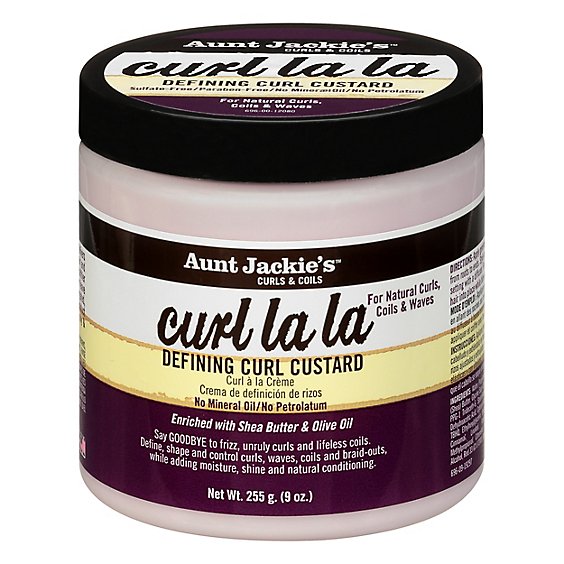
Curl defining creams and custards are somewhere between leave-ins and gels in terms of hold. They define curl patterns while providing some moisture. Aunt Jackie's Curl Defining Custard and Taliah Waajid Black Earth Curly Curl Creme boost your natural curl formation without the crunch of traditional gels. Some people layer these products under gels for defined, moisturized, non-crunchy results.
Which products you choose depends on your desired style and hair type. Wash-and-go styles usually need gels or strong-hold products. Twist-outs or braid-outs work with creams or lighter gels. Slicked-back styles need edge control or strong gels. Fine hair needs lighter products to avoid weighing down curls, while thick or coarse hair can handle heavier formulas.
Treatments: Scalp Oils and Protein Products
Scalp treatments address the foundation of healthy hair growth. Products like Sulfur8 Scalp Conditioner, Africa's Best Hair Care treatments, and Doo Gro Growth Stimulators target scalp health through various active ingredients. Sulfur has germ-fighting properties and may support a healthy scalp. Stimulating ingredients like peppermint or capsicum (from peppers) increase blood flow to the scalp.
A Reality Check on Growth Products: No topical product can change your genetic hair growth rate or create hair from inactive follicles. However, scalp treatments can optimize conditions for growth by reducing irritation, clearing buildup, and making sure follicles get what they need. A healthy scalp lets your hair grow to its full genetic potential without falling out early.
Protein treatments temporarily repair damage by filling gaps in your hair's internal structure with proteins small enough to get inside. Deep conditioners with protein help strengthen hair showing breakage or damage from chemicals, heat, or rough handling. Signs you need protein include too much stretching without bouncing back, limp curls, or hair that feels mushy when wet. Too much protein makes hair brittle and stiff, so protein treatments are used occasionally, not constantly.
The Moisture-Protein Balance: This balance is critical. Hair needs both water and structural strength. Too much of either creates problems. Learning to read your hair's signals helps you adjust your routine appropriately.
Understanding Moisture and Protein Balance
Hair health requires balancing moisture (hydration) and protein (structure). Moisture provides flexibility and softness. Protein provides strength and bounce-back. Textured hair naturally tends toward dryness, so moisture is the main focus for most people. However, damage, chemical treatments, and even too much moisture can create situations where you need protein.
Signs of Moisture vs Protein Needs
Moisture deficiency shows up as dry, brittle hair that breaks easily. The hair feels rough or like straw, lacks shine, and has excessive frizz. Curls may lose definition or look stringy. Ends split or break off. When wet, the hair doesn't stretch and return to normal length—it just breaks. Fix this with hydrating products (water-based leave-ins, moisturizing deep conditioners) and sealants (oils, butters) to prevent moisture from escaping.
Protein deficiency looks different. Hair feels overly soft, limp, or mushy, especially when wet. It stretches too much without springing back, sometimes breaking from over-stretching. Curls lose their pattern and hang limply. The hair tangles easily and doesn't hold styles well. This often comes from chemical damage, heat damage, or ironically, too much moisture without enough protein. Protein treatments restore strength by temporarily filling damaged areas.
Protein overload creates yet another set of problems. Hair becomes stiff, brittle, and breaks easily. It feels dry and rough despite moisturizing. Curls become stringy or lose definition. The hair doesn't stretch—it just snaps. Fix this with deep moisturizing treatments and temporarily avoiding protein-containing products until balance returns.
The key is knowing that most textured hair needs significantly more moisture than protein, but some protein is still necessary. Chemical treatments (relaxers, texturizers, permanent color) increase protein needs because they damage hair structure. Rough handling or tight styles similarly increase protein requirements.
Maintaining Balance
Start with moisture-focused products as your foundation. Use protein treatments sparingly—maybe monthly or only when you notice signs of needing it. Pay attention to ingredient lists. Hydrolyzed wheat protein, keratin, silk protein, and collagen mean the product contains protein. Some products have small amounts for maintenance, while others provide intensive protein therapy.
Deep conditioning regularly helps maintain balance. Moisturizing deep conditioners (often labeled as such or containing ingredients like shea butter, aloe, or honey without significant protein) should be your default weekly or every-two-weeks treatment. Rotate in protein treatments when needed based on how your hair responds. Some people alternate weekly between moisture and protein deep conditioners.
Listen to your hair rather than following rigid schedules. Hair that feels great doesn't need changes. Hair showing specific problems needs targeted help. Seasonal changes also affect hair needs. Winter's dry air may require more moisture. Summer humidity might reduce moisture needs while increasing styling product requirements.
Key Ingredients to Recognize
For Technical Readers: Understanding ingredient categories helps you select appropriate products. Here's a quick guide:
- Humectants attract moisture from the environment into your hair: glycerin, honey, aloe vera, propylene glycol. They work great in humid climates but can backfire in very dry places by pulling moisture out of your hair into the air.
Emollients soften and smooth hair: shea butter, coconut oil, plant oils. They provide slip for detangling and add softness.
Proteins appear as: hydrolyzed wheat protein, hydrolyzed silk protein, keratin, collagen, amino acids. "Hydrolyzed" means the protein has been broken down into smaller pieces that can get inside hair.
Surfactants are cleaning agents. Sulfates (sodium lauryl sulfate, sodium laureth sulfate) are strong cleaners that can strip hair. Gentler alternatives include cocamidopropyl betaine, decyl glucoside, and coco-glucoside.
FAQs
What is textured hair?
Textured hair is any hair that grows in a pattern other than straight. This includes wavy (Type 2), curly (Type 3), and coily or kinky hair (Type 4). The texture comes from the shape of your hair follicle beneath the scalp—curved or angled follicles produce hair that grows in waves, spirals, or tight coils. Textured hair is the natural hair type for most people of African, Latin American, and mixed heritage, as well as many people from Mediterranean, Middle Eastern, and South Asian backgrounds.
The specific curl pattern varies widely even within families. Many people have multiple textures on different parts of their head, which is completely normal.
How do I know my hair type?
Hair typing systems categorize curl patterns. The most common system has Type 1 (straight), Type 2 (wavy with variations 2A-2C), Type 3 (curly with variations 3A-3C), and Type 4 (coily/kinky with variations 4A-4C). To figure out your type, look at your hair in its natural state without products and see what pattern it forms.
While hair typing provides a general framework, your hair's porosity, density, and thickness matter more for determining what products and techniques will work. Don't stress too much about finding your exact type—focus on understanding what your specific hair needs.
What is hair porosity and why does it matter?
Hair porosity measures how easily moisture enters and exits your hair. Low porosity hair has a tightly sealed outer layer that resists moisture—products sit on top and it takes forever to get wet or dry. High porosity hair has a damaged outer layer with gaps—moisture gets in easily but escapes just as quickly. Medium porosity sits between these and generally maintains moisture balance most easily.
Porosity matters because it determines which products work for you. Low porosity hair needs lightweight products and sometimes heat to help absorption. High porosity hair needs heavier products to trap moisture inside. Using the wrong products for your porosity leads to buildup, dryness, or limp hair.
Should I use shampoo or co-wash?
It depends on how much oil your scalp makes, what products you use, and your environment. Shampoo cleans more thoroughly and is necessary if you use heavy oils, butters, gels, or styling products regularly—otherwise buildup clogs follicles and dulls your hair. If you exercise a lot, swim, or are exposed to pollution, shampoo provides the cleaning power you need.
Co-washing uses cleansing conditioners that gently remove light dirt while adding moisture. It works well if you need to refresh between full wash days, have a dry scalp, or use lightweight products. Many people use both—shampooing weekly or every two weeks for deep cleaning and co-washing in between.
How often should I wash textured hair?
Most people with textured hair wash every 3 to 14 days, depending on scalp oil production, product usage, and activity level. Textured hair doesn't need daily washing because oil travels slowly down curled strands, and washing too often strips natural oils. Those with oilier scalps or looser curls may wash more often (every 3-7 days), while those with very dry scalps or tight coils may wash less often (every 7-14 days).
Your scalp's comfort determines your schedule. If it itches, feels oily, or has odor, it's time to wash. If your hair feels dry or brittle after washing, you may be washing too often or using products that are too harsh. Between washes, refresh curls with water or diluted leave-in in a spray bottle.
What is the difference between a leave-in conditioner and a regular conditioner?
Regular conditioner is designed to be rinsed out after a few minutes. It temporarily coats hair to detangle and add moisture during washing. Leave-in conditioner is formulated to stay in your hair, providing ongoing moisture and protection throughout the days between washes. Leave-ins are typically lighter so they don't weigh hair down or cause buildup.
In a typical routine, you'd use rinse-out conditioner during washing for initial moisture and detangling, then apply leave-in to damp hair before styling to maintain moisture as your hair dries and over the following days. Using regular conditioner as a leave-in can work sometimes, but products specifically designed to be left in generally perform better.
Do I need both oil and cream?
It depends on your hair's porosity, thickness, and ability to hold moisture. Using both helps layer different kinds of moisture and seal it in—this is the idea behind methods like LOC (Liquid, Oil, Cream) or LCO (Liquid, Cream, Oil). The liquid provides direct hydration, oil can penetrate or seal, and cream provides both moisture and hold.
High porosity hair benefits from both because each layer slows moisture evaporation. Low porosity hair may find this too heavy, leading to buildup and greasy-feeling hair. Start with minimal products and add layers only if your hair stays dry or loses moisture quickly.
What does edge control do?
Edge control products specifically manage and style the hairline and baby hairs. They have a thick, gel-like consistency that provides strong, long-lasting hold without flaking. They're designed to smooth down flyaways, slick edges into patterns, and maintain polished styles even in humidity or with activity.
Edge control is applied with a small, firm brush directly to the hairline or baby hairs. Many people use it for slicked-back ponytails or buns, or to create decorative patterns along the hairline. Don't overuse it or apply too tightly—excessive tension on the hairline can lead to hair loss from pulling.
Can I use regular conditioner as a leave-in?
You can sometimes, but results vary. Regular conditioners are designed to be rinsed out, so they may contain heavier ingredients that cause buildup when left in hair—making it feel greasy, look dull, or become limp. If you try this, dilute the conditioner significantly. Mix a small amount with water in a spray bottle (roughly 1 part conditioner to 3-5 parts water) and apply to damp hair.
However, leave-in conditioners are specifically formulated to stay in hair without problems. They're designed for extended wear, often include extra benefits like heat protection, and have textures that absorb or dry down without leaving hair coated. If you frequently need leave-in conditioning, buying an actual leave-in product gives better results.
What ingredients should I avoid?
It depends on your hair's specific sensitivities, but some ingredients commonly cause problems. Sulfates (sodium lauryl sulfate, sodium laureth sulfate) are harsh cleaners that strip natural oils excessively—sulfate-free alternatives clean adequately without excessive stripping. Drying alcohols (alcohol denat, isopropyl alcohol) evaporate quickly and dry out hair, though fatty alcohols (cetyl alcohol, stearyl alcohol) are actually beneficial.
Silicones (ingredients ending in -cone or -xane) can build up over time, preventing moisture penetration. If you use them, clarify regularly with sulfate shampoo. Rather than universally avoiding ingredients, pay attention to how your hair responds and eliminate products that cause problems for you specifically.
What does "sealing in moisture" mean?
Sealing in moisture means trapping water-based hydration inside your hair by applying an oil or cream on top. Hair's primary moisture source is water. When you apply water or water-based products like leave-in conditioners, they provide temporary hydration, but water evaporates quickly. Sealing involves applying oils, butters, or cream-based products after water-based products to create a barrier that slows evaporation.
The seal doesn't add moisture itself—it prevents the moisture already in your hair from escaping. This is why product order matters. Applying oil before water-based products prevents water from getting in. Applying oil after water-based products traps the water inside. High porosity hair benefits most from sealing because its damaged outer layer lets moisture escape easily.
Is sulfate-free shampoo necessary?
Sulfate-free shampoo isn't universally necessary, but it benefits most people with textured hair. Sulfates clean very thoroughly but strip away natural oils that textured hair needs, leaving it dry, brittle, and prone to breakage. Sulfate-free shampoos use gentler cleaners that work without excessive stripping.
However, sulfate shampoos have their place. If you use heavy styling products, oils, or butters regularly, you may need the stronger cleaning power of sulfates occasionally to prevent buildup. Many people use sulfate-free shampoo for regular washing and keep a sulfate shampoo for monthly deep cleaning. If your hair feels dry after washing, switch to sulfate-free. If you get buildup despite sulfate-free products, occasional sulfate shampoo may be necessary.
How do I know if I have product buildup?
Product buildup happens when styling products, oils, conditioners, or minerals accumulate on your hair instead of washing away completely. Signs include: hair feels coated, waxy, or sticky even after washing; products sit on top instead of absorbing; hair looks dull and lacks shine; feels heavy or limp with undefined curls; scalp feels itchy; products that used to work stop being effective; hair takes longer to dry or feels wet when it should be dry.
Prevent buildup with periodic clarifying. Use a clarifying shampoo (often sulfate-based) every few weeks to monthly to strip away accumulated residue. Some people use apple cider vinegar rinses as a gentler option. After clarifying, your hair should feel clean, light, and return to normal behavior.
What is the LOC or LCO method?
LOC and LCO are product layering methods designed to maximize moisture retention. LOC stands for Liquid, Oil, Cream. LCO stands for Liquid, Cream, Oil. Both apply products in a specific order to trap moisture inside the hair. The liquid (water or water-based leave-in) provides actual hydration—this must come first because only water truly moisturizes hair. The oil and cream layers seal that moisture in.
In LOC method, you apply liquid first, then oil to help water penetrate and begin sealing, then cream for additional sealing and hold. In LCO method, you apply liquid first, then cream to trap water, then oil as a final seal. Which works better depends on your hair's porosity and density—experiment to see what your hair likes.
Do silicones damage hair?
Silicones don't damage hair structurally, but they can create problems if not managed properly. Silicones coat the hair shaft, adding shine, smoothness, and heat protection. The problem is buildup—because they're not water-soluble, they don't wash away easily with gentle cleansers. Over time, layers accumulate, preventing moisture and other products from penetrating the hair.
If you use silicones, you need to clarify regularly with a sulfate shampoo to remove buildup. Many people with textured hair prefer to avoid silicones entirely and use natural alternatives for shine and smoothness. The choice depends on whether you're willing to incorporate regular clarifying and whether your hair responds positively to silicones.
Safeway Buying Guide
Ampro Pro Styl Styling Gel Protein - 10 Oz


Ampro Pro Styl Styling Gel Protein is an effective styling product that adds shine, nourishes hair, and provides long-lasting hold.
This product, Ampro Pro Styl Styling Gel Protein - 10 Oz., is a great styling solution for those looking for strong hold and lasting results. It contains protein to nourish the hair and will leave it with a healthy shine after application. Additionally, the long-lasting hold of this gel means that you can have perfect hairstyle all day without having to worry about touch-ups. Furthermore, the non-greasy formula of this gel makes it easy to apply with no mess or residue left behind. All in all, Ampro Pro Styl Styling Gel Protein is an effective styling product that adds shine, nourishes hair, and provides long-lasting hold.
- Provides a strong hold for various hairstyles, loved by customers for its ability to maintain styles for extended periods.
- Enriched with protein, which helps to strengthen hair and promote healthy growth.
- Leaves no flakes or residue after use, ensuring your hair remains clean and neat.
- Perfect for all hair types, including natural, relaxed, and color-treated hair.
- Highly praised for its ability to add shine to the hair, giving it a healthy and vibrant appearance.
- The gel is easy to apply and wash out, making it convenient for everyday use.
- Many users love the pleasant scent, which adds to the overall appeal of the product.
Pantene Gold Series Hydrating Butter Cream with Argan Oil for Curly Coily Hair - 6.8 Oz


Pantene Gold Series Hydrating Butter Cream with Argan Oil for Curly Coily Hair is a sulfate-free and dye-free formula infused with Argan Oil. It provides 72 hours of moisturization and is perfect for both curly and straight hairstyles.
The Pantene Gold Series Hydrating Butter Cream is an excellent product for curly or coily hair. Thoughtfully developed by Black PhD scientists and perfected by Black hair stylists, it contains Argan Oil to provide 72 hours of moisturization. It's also free from sulphates and dyes, making it safe to use on a range of different hair types. Furthermore, the cream is easy to apply; simply detangle the hair before applying a dime size amount directly onto the palm and rubbing together to emulsify. As well as hydrating curls, this product can be used overnight on relaxed hair to keep locks looking healthy and shiny throughout the day.
- Provides intense hydration to curly and coily hair, making it softer and more manageable
- Formulated with Argan Oil, a potent ingredient known for its nourishing and moisturizing properties
- Part of Pantene's Gold Series, a premium line designed specifically for textured hair
- Leaves hair feeling silky and smooth without weighing it down
- Helps to reduce frizz and enhance the natural curl pattern
- The creamy, rich formula is easily absorbed into the hair, providing long-lasting moisture
- Comes in a generous 6.8 Oz size that offers great value for money
Aunt Jackies Curl Defining - 9 Oz


Aunt Jackies Curl Defining is an excellent product for defining, shaping and controlling unruly curls, coils and waves. It adds moisture, shine and natural conditioning to the hair without leaving it feeling stiff or dry. This product contains no petrolatum or mineral oil so it won't weigh down hair. It also has no sulfates or parabens which makes it a great option for those who are looking for a more natural product.
- Enhances Curls: Many customers love how Aunt Jackies Curl Defining defines and enhances their natural curl pattern, giving them the perfect curls they desire.
- Moisturizing Effect: Users appreciate the moisturizing properties of the product, that keeps their hair hydrated and healthy.
- Easy to Use: Customers find the product easy to apply and it easily blends into the hair, making it a handy addition to their daily hair care routine.
- Non-Greasy Formula: People enjoy that Aunt Jackies Curl Defining does not leave a greasy residue behind, leaving their hair feeling light and natural.
- Long Lasting: Users praise its long-lasting effect, as it keeps their curls defined throughout the day.
- Suitable for Different Hair Types: Customers appreciate its suitability for different hair types, making it a versatile product for everyone in the family.
- Pleasant Scent: Many users love the pleasant scent of Aunt Jackies Curl Defining, which adds to their overall satisfaction with the product.


