


Common Textured Hair Concerns


Bestsellers for Ethnic Hair Care
Managing textured hair means dealing with specific challenges that come from how it's built and how it holds moisture. While everyone's hair is unique, certain issues show up consistently across different curl patterns and hair types. Understanding why these problems happen and how to fix them helps you find real solutions instead of just trying product after product hoping something works. This guide covers the most common concerns people with textured hair face and gives you practical ways to manage them.
Dryness and Breakage
Why Textured Hair Becomes Dry
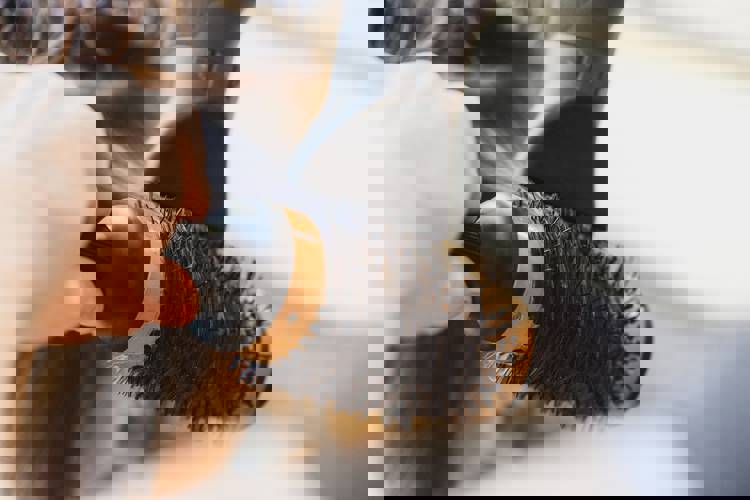
Dryness is the biggest complaint among people with textured hair, and it happens because of how the hair is structured, not because you're doing something wrong. The curved shape of textured hair strands stops your scalp's natural oil from traveling efficiently from your scalp to your ends. Each curl, coil, or bend creates a roadblock that slows the oil down. In really tight coils, the oil might never reach the ends without you helping it along. This means the lengths and ends of textured hair depend almost entirely on products for moisture rather than natural scalp oils.
The outer layer of your hair (the cuticle) makes the problem worse. At each curve in a curl, the cuticle experiences tension that can cause it to lift or get damaged. A lifted cuticle lets moisture escape more easily, creating a cycle where your hair struggles to both get moisture and keep it. Environmental factors speed up moisture loss. Dry air pulls moisture from your hair. Indoor heating in winter and air conditioning in summer both reduce moisture in the air. Sun, chlorine, and salt water dry hair further by damaging the cuticle or pulling out moisture.
Porosity plays a huge role in dryness. High porosity hair has gaps in the cuticle that let moisture in quickly but also let it escape just as fast. This creates a situation where hair feels moisturized right after you apply products but returns to feeling dry within hours or a day. The hair can't hold onto hydration without frequent help. Chemical treatments like relaxers, texturizers, or permanent color increase porosity by damaging the cuticle structure, making previously manageable hair suddenly hard to keep moisturized.
Which products you use affects moisture retention significantly. Using cleansers that strip away too much natural oil leaves hair dry before you even start conditioning. Sulfate shampoos remove oil so thoroughly that textured hair can't recover between wash days. Products with drying alcohols (alcohol denat, isopropyl alcohol) evaporate quickly and take moisture with them. Protein-heavy products without enough moisture create a brittle texture that feels like dryness. Understanding these factors helps you figure out what's causing dryness in your specific situation.
Preventing and Addressing Breakage
Breakage happens when hair strands snap instead of bending under stress. All hair breaks sometimes, but too much breakage prevents you from keeping length and creates uneven, damaged-looking hair. Textured hair breaks most often at curl points where the strand experiences constant tension. The outer edge of each curve stretches while the inner edge squeezes together, creating weak spots along the whole length. Dry hair breaks more easily because it doesn't have the flexibility that moisture provides.
Physical damage from handling causes major breakage. Detangling dry hair tears through knots instead of gently separating strands. Using fine-toothed combs or brushes made for straight hair pulls and snaps curly hair. Rough towel drying stretches wet hair past its breaking point. Tight hairstyles create constant tension that weakens hair over time, especially at the hairline and edges. Heat styling without protection damages the protein structure of your hair. Each of these actions builds up damage that eventually results in breakage.
Preventing breakage starts with keeping hair moisturized. Well-hydrated hair bends under stress instead of snapping. Use water-based leave-in conditioners like Aunt Jackie's Leave In Conditioner or Carol's Daughter leave-in products as your foundation. Layer with moisturizing creams such as Cantu Shea Butter Curl Activator Cream for extra hydration. Seal moisture in with oils appropriate for your hair's porosity. Light oils like argan work for low porosity hair, while heavier oils like castor (found in products like Carol's Daughter Goddess Strength 7 Oil Blend) work for high porosity hair.
How you detangle matters as much as which products you use. Always detangle on wet, conditioned hair when strands have maximum slip and flexibility. Start from the ends and work toward the roots in small sections instead of pulling a comb from root to tip. Use tools designed for textured hair, like wide-toothed combs or detangling brushes with flexible bristles. Apply more conditioner or leave-in to really tangled sections. Being patient during detangling prevents more breakage than any product can fix.
Protective styling reduces handling and therefore breakage. Styles like twists, braids, buns, or updos keep ends tucked away and minimize daily manipulation. However, protective styles become damaging if installed too tightly or kept in too long. Tension at the hairline from tight styles causes hair loss from pulling (called traction alopecia). Leaving protective styles in too long lets shed hairs tangle with attached hairs, creating matting that leads to severe breakage when you take them out. Protective styles should feel comfortable, let you access your scalp for washing and moisturizing, and be removed or redone within reasonable timeframes (typically 4 to 8 weeks depending on the style).
Protein treatments help strengthen hair showing significant breakage. When hair stretches too much without bouncing back, feels mushy when wet, or breaks with barely any tension, it probably needs protein. Deep conditioning treatments with protein temporarily repair damage by filling gaps in the hair's structure. However, using too much protein makes hair brittle, which also causes breakage. Use protein treatments only when hair shows specific signs of needing it, not as a routine thing unless your hair clearly needs it ongoing.
Products That Address Moisture and Strength
Building a routine around keeping moisture in requires products at each step of your wash and style process. Start with gentle cleansing using sulfate-free shampoos or co-washes like As I Am Coconut Co-Wash. These remove dirt and buildup without stripping away essential oils. Follow with a moisturizing rinse-out conditioner applied generously and left on for several minutes to let it soak in. Detangle during this step while hair has maximum slip.
After rinsing, apply leave-in conditioner to soaking wet hair. Products like Aunt Jackie's Leave In Conditioner or ORS Olive Oil products provide the water-based moisture that's your foundation. Don't skip this step. The leave-in adds moisture beyond what's left from your rinse-out conditioner and provides ongoing hydration as hair dries. Apply generously, making sure every section gets covered.
Moisturizing creams do two jobs by adding hydration and defining curls. The Cantu Shea Butter line offers several cream options that moisturize while providing light to medium hold. Taliah Waajid Black Earth Curly Curl Creme combines moisture with curl definition. These products contain water plus softening ingredients like shea butter. Apply to very damp hair, working in sections to make sure you cover everything evenly.
Oils seal in the moisture you've applied. Which oil you choose depends on your hair's porosity and thickness. Hollywood Beauty oils (Coconut Oil, Argan Oil Formula) offer affordable options for sealing. Mielle Rosemary Growth Oil provides sealing plus scalp benefits. Carol's Daughter Goddess Strength 7 Oil Blend combines multiple oil types for comprehensive benefits. For fine or low porosity hair, use oils sparingly. For thick or high porosity hair, apply more generously to make sure you seal properly.
Between wash days, refresh moisture using water or diluted leave-in conditioner in a spray bottle. High porosity hair may need daily moisture refresh. Medium porosity hair might need refreshing every few days. Low porosity hair often holds moisture longer and needs less frequent refreshing. Listen to your hair rather than following rigid schedules. If hair feels dry, add moisture. If it feels good, leave it alone.
Scalp Health and Hair Growth
Understanding Scalp Health Fundamentals
Scalp health provides the foundation for healthy hair growth. Hair grows from follicles (tiny openings) embedded in the scalp, and these follicles need a clean, balanced environment to work properly. A healthy scalp has balanced oil production, no irritation or inflammation, good blood circulation, and clear follicles free from buildup. Problems with any of these factors can affect how well your hair grows and how healthy it looks.
Oil production varies a lot between people and changes with things like hormones, diet, stress, and age. Some scalps make very little oil, leading to dry, tight-feeling skin and flakes caused by dryness. Other scalps make too much oil, leading to greasy-feeling hair, potential breakouts along the hairline, and sometimes other scalp conditions. Balanced oil production keeps the scalp comfortable without excessive oiliness and provides natural conditioning for hair as it grows.
Inflammation and irritation come from various sources. Product sensitivities or allergies cause itching, redness, or burning. Harsh ingredients like sulfates or certain preservatives irritate sensitive scalps. Buildup from products or hard water minerals clogs follicles and creates an environment where bacteria or fungi thrive, leading to infections. Tight hairstyles create inflammation through constant pulling. Sunburn on exposed parts affects scalp health. Underlying conditions like psoriasis or eczema cause chronic inflammation that affects hair growth.
Blood circulation delivers oxygen and nutrients to hair follicles. Poor circulation means follicles don't get enough resources for good hair production. Scalp massage improves circulation temporarily. Regular massage, whether during washing or as a separate practice, can support overall scalp health. Some growth products contain ingredients that stimulate circulation as part of how they work.
Product buildup on the scalp creates multiple problems. It clogs follicles, potentially leading to smaller, weaker hair growth or follicle inflammation. It creates an environment where bacteria and fungi grow, causing itching, odor, or infections. It prevents helpful products from reaching the scalp. It makes the scalp feel dirty even shortly after washing. Regular cleansing at the right frequency and occasional clarifying prevents buildup.
Growth Products and Realistic Expectations
Hair growth products target scalp health rather than changing how fast hair actually grows. Human hair grows roughly half an inch per month on average, with variation based on genetics, age, overall health, and hormones. No topical product can substantially change this genetically determined rate. What growth products can do is optimize scalp conditions so follicles produce hair at their maximum genetic potential without falling out early or getting weaker over time.
Sulfur-based products like Sulfur8 Hair Scalp Conditioner have a long history in hair care. Sulfur has germ-fighting and anti-inflammatory properties that can help with scalp conditions. These properties create a healthier environment for growth. However, sulfur has a distinctive smell that some people find unpleasant. The products work best for people dealing with specific scalp issues rather than as universal growth enhancers.
Africa's Best Max Super Gro and similar products combine oils with vitamins and sometimes protein. These formulas moisturize the scalp and provide nutrients that support follicle health. Dry, nutrient-lacking scalps may produce weaker hair or experience more shedding. Addressing these issues allows normal growth to resume. The products work by supporting overall scalp health rather than stimulating new growth beyond normal levels.
Doo Gro Growth Stimulators contain ingredients like proteins, vitamins, and plant extracts intended to support healthy growth. Some versions include ingredients that increase blood flow to the scalp, which theoretically improves nutrient delivery to follicles. Results vary based on whether circulation was a limiting factor in your specific situation. These products work best as part of a comprehensive scalp care routine rather than as standalone solutions.
Mielle Rosemary Growth Oil has gained significant popularity based on rosemary oil's research-supported benefits. Studies suggest rosemary oil may improve scalp circulation and potentially support hair growth in a way that's comparable to some conventional treatments. The oil also has germ-fighting properties that support scalp health. However, results require consistent use over months, not weeks. Overnight transformations don't happen with any topical hair product.
How Growth Oils Actually Work: Growth oils generally work through several ways. They moisturize the scalp, preventing the dryness that can lead to inflammation and discomfort. They provide a medium for massage, which improves circulation. Some contain active ingredients with specific benefits (rosemary for circulation, peppermint for stimulation, tea tree for germ-fighting effects). They create a protective barrier that can prevent moisture loss from the scalp. For best results, apply growth oils directly to the scalp, not just to hair, and massage to encourage absorption and circulation.
Setting Realistic Expectations: Hair growth is slow and requires patience. You won't see visible length increase from any product in less than several weeks, and more likely it'll take months to notice significant differences. Focus on scalp health and keeping the hair you grow rather than trying to speed up growth rate. Healthy hair that doesn't break keeps more length than fast-growing hair that constantly breaks off. Growth products support the process but don't replace the basics of gentle handling, enough moisture, and regular maintenance.
Common Scalp Issues and Solutions
Dandruff appears as white or yellowish flakes on the scalp and hair. Two types of dandruff affect textured hair. Dry scalp dandruff comes from not enough moisture. The scalp becomes tight, itchy, and sheds small white flakes. This type responds to moisturizing treatments and gentler cleansing. Use scalp oils between washes and make sure you're not washing too often with harsh shampoos. Seborrheic dermatitis causes oily, yellowish flakes and comes from an overgrowth of yeast on the scalp. This type requires antifungal treatment, often in shampoos containing zinc pyrithione, ketoconazole, or selenium sulfide. If dandruff sticks around despite home treatment, consult a dermatologist for proper diagnosis and treatment.
Itchy scalp has multiple causes. Product buildup creates itching by irritating the skin or allowing bacterial overgrowth. This responds to clarifying and making sure products rinse out completely. Dryness causes itching and tightness. This requires moisturizing the scalp with lightweight oils or aloe-based products. Allergic reactions or sensitivities to product ingredients cause itching often with redness or burning. This requires finding and eliminating the problem product. Scalp conditions like psoriasis, eczema, or folliculitis cause persistent itching that requires medical treatment. If itching doesn't go away with basic fixes or comes with significant flaking, redness, or sores, consult a healthcare provider.
Scalp acne or folliculitis appears as small bumps or pustules on the scalp, often along the hairline or at the nape of your neck. Causes include product buildup clogging follicles, bacterial infections, or irritation from tight hairstyles. Treatment involves keeping the scalp clean with regular washing, using products with antibacterial ingredients like tea tree oil, avoiding heavy products directly on the scalp, and loosening tight styles. Severe or persistent cases may require antibiotic treatment prescribed by a dermatologist.
Tender scalp or soreness often comes from hairstyles that pull too tightly. This tension causes inflammation and can lead to permanent hair loss if continued long-term. The solution is to loosen or remove the style causing tension and avoid repeating overly tight styles. Scalp tenderness can also come from sunburn, which affects exposed parts and areas where hair provides minimal coverage. Prevention involves wearing protective styles or head coverings during extended sun exposure.
Excessive oiliness makes the scalp feel greasy and can cause hair to look limp shortly after washing. This may mean you're not washing frequently enough for your specific oil production. Increase washing frequency to every few days rather than weekly. It can also come from using products too heavy for your scalp's needs. Switch to lighter formulas and apply heavier products only to hair lengths, not the scalp. In some cases, excessive oiliness indicates a scalp condition and benefits from treatment shampoos.
Thinning edges or hairline recession often comes from pulling from tight hairstyles, constant manipulation, or harsh styling products. The hairline has finer, more fragile hair than the rest of the scalp and can't withstand the same tension. Address this by avoiding tight styles, being extremely gentle with edge styling, limiting edge control use, and giving the hairline extended breaks from manipulation. Some thinning responds to scalp health treatments and gentle massage to improve circulation. Severe or progressive thinning requires dermatologist evaluation to rule out conditions requiring medical help.
Styling and Maintenance
Daily and Weekly Routine Fundamentals
Effective textured hair care requires consistent routines adapted to your hair's specific needs and your lifestyle. Daily maintenance focuses on preservation and minor refreshing. Weekly or every-two-weeks routines involve thorough cleansing and deep conditioning. Understanding what each timeframe requires prevents both over-handling and neglect.
Daily care for textured hair typically involves minimal direct handling. The goal is to maintain the moisture and style you created on wash day rather than restyling from scratch daily. In the morning, check whether your hair needs refreshing. If it kept moisture and definition overnight, simply remove your protective covering and gently separate or fluff as needed. If it feels dry, lightly mist with water or a water-and-leave-in mixture from a spray bottle, focusing on dry areas. Scrunch or smooth the moisture through rather than soaking the hair. If you use the LOC or LCO method, you might add a small amount of oil or cream to particularly dry sections.
For hairstyles like twist-outs or braid-outs, daily maintenance involves careful handling to preserve the pattern. Separate twists or braids gently in the morning. If the style starts to frizz or lose definition after several days, you can lightly mist with water and add a small amount of gel or cream to smooth sections, then let it dry. Alternatively, retwist or rebraid sections at night to refresh the pattern for the next day. The key is working with your existing style rather than trying to create something entirely new each morning.
Protective styles like braids, twists, or updos require different daily care. Focus on scalp health by applying lightweight oil to your scalp if it feels dry. Keep the hairline moisturized but avoid heavy products that cause buildup. If wearing braids with extensions, use a light oil or braid spray to prevent itching and keep braids looking fresh. Avoid over-manipulating the style or constantly redoing edges, as this causes more damage than the protective style prevents.
Weekly care centers around cleansing and conditioning. How often you wash depends on your scalp's oil production, product usage, and environmental factors. Most people with textured hair wash every 7 to 14 days, though some need more or less frequent washing. On wash day, start with detangling using oil or conditioner for slip. Cleanse the scalp thoroughly with shampoo or co-wash, using your fingertips (not nails) to massage and remove buildup. Rinse completely. Apply rinse-out conditioner generously and detangle again while conditioner provides slip. Leave conditioner on for several minutes before rinsing.
After rinsing, apply leave-in conditioner to soaking wet hair. This is the foundation of your moisture for the coming days. Apply generously and make sure it's distributed evenly. Follow with your chosen styling products based on your desired look. For defined curls, use curl creams and gels. For stretched styles like twist-outs, use creams or butters before installing twists. For wash-and-go styles, layer leave-in, cream, and gel using techniques like shingling (smoothing products onto small sections) or rake-and-shake (raking products through then shaking to encourage clumping).
Deep conditioning weekly or every two weeks provides intensive moisture or protein treatment. After shampooing, apply a deep conditioner to clean, wet hair. Cover with a plastic cap and let it sit for 20 to 30 minutes. Heat from a hooded dryer, steamer, or even a warm towel helps the product soak in. Rinse thoroughly and proceed with leave-in and styling products. Alternate between moisturizing and protein deep conditioners based on your hair's needs.
Protective Styling Benefits and Precautions
Protective styling reduces daily handling, which is the main cause of breakage in textured hair. When hair is twisted, braided, or pinned up, the ends are tucked away and the length isn't constantly handled for styling. This allows hair to keep length by minimizing breakage from combing, brushing, or styling. Protective styles also reduce exposure to environmental stressors like wind, sun, and dry air. For people who want to grow their hair longer, protective styling often makes the difference between constant breakage and successful length retention.
Common protective styles include two-strand twists, braids (box braids, cornrows, Senegalese twists), buns, updos, and wigs or weave installations. Each offers different benefits and maintenance requirements. Styles you install yourself using your own hair (twists, braids without extensions, buns) allow easy access to your scalp for cleansing and moisturizing. Styles installed by professionals using extensions (box braids, sew-in weaves, crochet styles) last longer and often look more polished but require more careful maintenance to keep your hair healthy underneath.
Installation Tension is Critical: Many people request tight installations thinking this makes styles last longer, but excessive tension causes permanent hair loss from pulling (traction alopecia). This condition causes permanent hair loss at the areas under greatest tension, typically the hairline and temples. Protective styles should never hurt during installation or cause bumps, soreness, or headaches afterward. If a style feels too tight, have it loosened or removed immediately. The "beauty is pain" mentality has caused extensive hair loss for many people with textured hair.
Maintenance while in protective styles matters as much as the style itself. Your scalp still needs regular cleansing. For styles that allow access (twists, loose braids), wash your scalp gently using diluted shampoo in an applicator bottle, focusing on the scalp rather than disturbing the style. Rinse thoroughly. For styles where you can't access the scalp easily, use dry shampoo, scalp cleansing sprays, or witch hazel on a cotton pad to remove buildup and refresh the scalp between installations.
Moisture maintenance prevents breakage under protective styles. Your hair still needs moisture even when tucked away. Apply a water-based leave-in or braid spray to your hair (not just the extensions) regularly. Follow with a light oil to seal. Pay particular attention to your hairline and nape, which tend to be drier and more fragile. Don't assume that because hair is in a protective style it can go weeks without moisture attention.
Duration Limits Prevent Damage: No protective style should stay in indefinitely. Hair continues to shed naturally (50 to 100 hairs per day is normal) even while in a protective style. These shed hairs can't fall away as they normally would and instead tangle with attached hairs. The longer you leave a style in, the more severe the tangling becomes. Removing the style then becomes traumatic, with significant breakage as you work through matted sections. Most protective styles should be removed or redone within 4 to 8 weeks depending on the type. Styles with extensions (box braids, twists with synthetic hair) generally need removal by 8 weeks. Styles using your own hair (two-strand twists without extensions) might need redoing more frequently as they lose their shape.
Rest periods between protective styles allow your hair to recover. After removing a protective style, give your hair at least a week or two of loose styles before installing another protective style. During this rest period, focus on deep conditioning, protein treatments if needed, and trimming any damaged ends. This break prevents cumulative damage from constant tension and lets you check your hair's health.
Edge Control, Hold Products, and Style Preservation
Edges and baby hairs require specific products and gentle handling. The hairline consists of finer, more fragile hairs than the rest of your head. These hairs break easily under tension and don't recover well from damage. Edge control products like Ebin 24hr Edge Tamer or ORS Olive Oil Hair Gel Edge Control provide the strong hold needed for sleek styles without constant reapplication. These products have thick, gel-like consistency designed specifically for smoothing and holding the hairline.
Application Technique: Use a small, firm brush (edge brush or clean toothbrush) to apply edge control. Apply a modest amount to the brush rather than directly to hair in large quantities. Brush edges in your desired direction using smooth, gentle strokes. Avoid excessive brushing or aggressive pulling. The goal is to smooth hairs into place, not force them against their natural growth direction. Let edge control dry completely before touching or covering your hair. Many products dry clear and flexible rather than crunchy.
Avoid Edge Control Overuse: Daily application of edge control, particularly when combined with tight styles, creates constant tension that leads to permanent hair loss from pulling. Your edges don't need to be slicked perfectly smooth every single day. Embrace texture and natural growth patterns on days when you're not wearing formal styles. Save edge control for occasions when you specifically want a polished look. This moderation prevents the permanent hairline recession many people experience from excessive edge manipulation.
Styling gels provide hold for various styles beyond edge control. Eco Styler gels come in multiple varieties (Olive Oil, Pink, Crystal) at different hold levels. These gels work well for wash-and-go styles, twist-outs, or any style requiring curl definition and frizz control. Ampro Shine N Jam offers conditioning hold suitable for multiple styling needs. Which gel you choose depends on your desired hold level and whether you want additional conditioning benefits.
Gel Application Technique: For maximum definition, apply gel to soaking wet hair using the "praying hands" method (smoothing between pressed palms) or raking through with fingers. Scrunch upward to encourage clumping. Let hair air dry or use a diffuser on low heat. The gel will form a cast as it dries, making hair feel crunchy. Once completely dry, scrunch the hair to break the cast, leaving soft, defined curls. For less definition and more volume, apply gel to damp rather than wet hair and use less product.
Night Care Preserves Styles: Textured hair benefits from protection during sleep because friction against pillowcases causes frizz and breakage. Several methods work depending on your style and length. The pineapple method involves gathering hair into a very loose, high ponytail on top of your head, securing with a scrunchie or fabric hair tie. This protects curls and maintains volume. For shorter hair, use multiple pineapples across your head. For very short hair, simply cover with a satin or silk bonnet.
Bonnet or scarf selection matters. Satin and silk reduce friction compared to cotton, which absorbs moisture and creates friction. A properly sized bonnet stays on through the night without being so tight it creates tension. Satin pillowcases provide an alternative if you dislike bonnets, though they offer less protection than completely covering your hair. Some people use both a bonnet and a satin pillowcase for maximum protection.
Braiding or twisting hair before bed provides stretch and protects ends for certain styles. Large, loose braids or twists give stretched, wavy results in the morning. Smaller, tighter sections give more defined texture. This works particularly well for protecting blow-dried hair or maintaining twist-out patterns. Apply a small amount of oil or cream before braiding to add moisture overnight. In the morning, remove braids or twists carefully and separate sections for your desired volume and definition.
Refresh Techniques: These extend styles between wash days. For wash-and-go or defined curl styles that become frizzy, lightly mist sections with water and smooth a small amount of gel or curl cream over the frizzy areas. Finger-coil individual sections that lost definition. For twist-outs or braid-outs that flattened overnight, retwist or rebraid problem sections before bed to recreate the pattern. For styles that simply need moisture without restyling, mist with water or diluted leave-in and scrunch or smooth through.
FAQs
Why is my hair always dry?
Hair feels constantly dry when it can't absorb moisture effectively or loses moisture faster than you can replace it. High porosity hair has a damaged outer layer with gaps that let moisture in but also escape quickly. This hair type needs heavy moisturizers and sealants to trap water inside, and you may need to refresh moisture daily. Low porosity hair pushes away moisture because the outer layer lies too flat—products sit on top instead of soaking in, creating the feel of dryness despite applying products. This hair type needs lightweight products and sometimes heat to help absorption.
Product buildup creates a coating that blocks water-based moisture. If you use silicones, heavy oils, or styling products without regular clarifying, buildup may be your problem. Environmental factors also contribute—dry air, indoor heating, and air conditioning all pull moisture from hair. In these conditions, you may need more frequent moisture application and heavier sealants. Finally, not drinking enough water affects hair moisture from the inside over time.
How can I stop breakage?
Stopping breakage requires figuring out why your hair is breaking and fixing those specific causes. Rough handling is the most common cause. Always detangle on wet, conditioned hair using tools designed for textured hair. Start from the ends and work toward roots. Never force a comb through tangles. Avoid tight hairstyles that pull at the hairline or put constant tension on your hair. When wearing protective styles, make sure they feel comfortable, not tight or painful. Limit heat styling, and when you do use heat, always use a heat protectant first.
Dryness makes hair brittle and prone to snapping. Maintain a consistent moisture routine using water-based leave-ins, moisturizing creams, and sealant oils appropriate for your porosity. Refresh moisture between wash days rather than waiting until hair feels extremely dry. Deep condition weekly or every two weeks for intensive hydration. If hair suddenly starts breaking after previously being healthy, think about recent changes to your routine, environment, or health that might explain the shift.
Do hair growth oils actually work?
Hair growth oils work by supporting scalp health rather than changing how fast hair grows from follicles. Human hair grows roughly half an inch per month based on genetics, age, and overall health. No topical product substantially changes this rate. What growth oils can do is optimize conditions so follicles produce healthy hair consistently without falling out early or getting weaker. Oils like Mielle Rosemary Growth Oil contain ingredients with research-supported benefits—rosemary oil shows potential to improve scalp circulation and support growth. However, results require consistent use over months, and everyone responds differently.
Growth oils also work through scalp massage during application, which improves blood circulation and nutrient delivery to follicles. Additionally, they moisturize the scalp, preventing dryness, inflammation, and flaking that can interfere with normal hair production. The perception that oils create growth often comes from improved length retention rather than faster growth—healthy hair that doesn't break constantly keeps more length over time. Use growth oils as part of comprehensive hair care, not as magic solutions. Apply directly to the scalp, massage to encourage absorption, and be patient. Evaluate results after at least three months of consistent use.
How often should I trim my hair?
Trim frequency depends on your hair's current condition, how you style it, and your length goals. General guidance suggests trimming every 8 to 12 weeks for maintenance, but this isn't universal. Hair showing significant split ends or damage needs more frequent trimming to prevent splits from traveling up the shaft. Single-strand knots (also called fairy knots, common in tightly coiled hair) may require trimming every 6 to 8 weeks if they appear frequently. Hair showing minimal damage might go 12 to 16 weeks between trims.
The key is trimming based on condition rather than calendar dates. Examine your ends regularly—if you see splits, fraying, or thin, transparent ends, it's time to trim regardless of when you last trimmed. Trimming doesn't make hair grow faster (hair grows from the scalp, and cutting ends has no effect on follicle activity), but regular trimming prevents damage from spreading, which means you lose less length to breakage over time. If you're trying to grow your hair longer, don't skip trims entirely—damaged ends break off anyway, often taking more length than a trim would have removed.
What causes scalp buildup?
Scalp buildup happens when products, oil, dead skin cells, or environmental debris accumulate on the scalp instead of being removed during cleansing. Using products too heavy for your scalp leaves residue that doesn't rinse away completely. Co-washing without periodic shampooing allows buildup because co-washes clean gently but don't remove everything. If you co-wash exclusively, you need occasional clarifying shampoo. Not washing often enough allows natural oil, shed skin cells, and daily environmental exposure to accumulate beyond what a single wash can remove.
Not rinsing thoroughly leaves shampoo or conditioner residue on the scalp. Make sure you rinse thoroughly after every product, spending as much time rinsing as you did applying. Hard water contains mineral deposits that bind to hair and scalp, creating a coating—if you have hard water, consider installing a shower filter or using chelating shampoos periodically. Signs of buildup include hair that feels coated or waxy, products that sit on top instead of absorbing, dull appearance, flat hair, itchy scalp, and products that used to work suddenly becoming ineffective.
Should I use heat on my hair?
Heat styling can be used on textured hair with proper precautions, but it always carries some risk of damage. Heat temporarily changes your hair structure, allowing you to straighten or reshape it, but the changes return when hair gets wet again. However, excessive heat or repeated heat exposure damages the protein structure permanently, showing up as loss of curl pattern, increased breakage, dryness, and weakened strands. If you choose to use heat, always apply a heat protectant first—these create a barrier that reduces direct heat exposure. Use the lowest temperature that works, and limit how often you use heat.
Many people with textured hair use heat only a few times per year for special occasions, relying on heat-free styling methods the rest of the time. Use quality tools with temperature controls, and work with properly moisturized, detangled hair. Maintain moisture after heat styling because heat temporarily increases porosity. Some people prefer to avoid heat entirely to preserve their curl pattern and minimize damage. Heat-free stretching methods include banding, African threading, or braiding/twisting and allowing to dry. The choice depends on your styling preferences and whether you're willing to accept some damage for heat-styled looks.
How do I refresh curls between wash days?
Refreshing curls extends your wash-and-go or defined curl style when curls become frizzy, flattened, or lose definition. For minor frizz or slight loss of definition (usually day 2 or 3), use a water-based refresh. Fill a spray bottle with water or a mixture of water and leave-in conditioner (roughly 3 parts water to 1 part leave-in). Lightly mist frizzy sections without soaking hair. Smooth frizz with your hands using the praying hands method or scrunch to encourage clumping.
For curls that need more help, apply a small amount of curl cream or gel to your palms, rub hands together, then smooth over frizzy sections. Avoid using too much product, which creates buildup. Finger coiling helps restore individual curl definition—take small sections that lost their pattern, apply a small amount of water or curl cream, and wrap the section around your finger from root to tip. Protective styling at night significantly affects how much refreshing you need. Hair protected in a bonnet or with the pineapple method maintains curl definition better and requires less morning work.
What is the best way to detangle?
The best detangling happens on wet, conditioned hair with good slip (slippery texture that lets strands slide past each other). Never try to detangle dry textured hair—this causes excessive breakage. Start detangling in the shower with conditioner applied, or after washing with leave-in conditioner and detangling product applied to soaking wet hair. Use your fingers first before any tools. Gently separate large tangles using your fingers, working through sections rather than trying to detangle all your hair at once.
After finger detangling, move to tools if needed. Wide-tooth combs or detangling brushes with flexible bristles designed for textured hair work best. Hold the section you're detangling above where you're working to prevent putting tension on your roots. Start at the very ends, removing tangles from the last few inches. Once ends are tangle-free, move up a few inches and detangle that section. Continue moving upward in small increments until you reach your roots. If you hit a stubborn tangle, stop and work through it with your fingers. Apply more conditioner for additional slip. Patience during detangling prevents significantly more breakage than any product can fix.
Do I need to deep condition?
Deep conditioning provides intensive moisture or protein treatment that regular conditioner can't match. Hair showing signs of dryness (rough texture, lack of shine, excessive frizz) despite regular conditioning benefits from moisturizing deep conditioning. Apply after shampooing, cover with a plastic cap, and let sit for 20 to 30 minutes. Heat helps the product soak in. Deep condition weekly or every two weeks if your hair is chronically dry.
Hair showing signs of protein deficiency (too much stretching without bouncing back, mushy texture when wet, limp curls) needs protein deep conditioning. Use protein treatments based on need rather than on schedule, as too much protein causes brittle hair. If your hair is generally healthy and well-moisturized, you might not need separate deep conditioning—your regular rinse-out conditioner may be enough. However, most people with textured hair benefit from at least monthly deep conditioning because the structure makes maintaining moisture challenging.
How do I protect my hair at night?
Night protection prevents the friction and moisture loss that happens during sleep. Cotton pillowcases absorb moisture and create friction that causes frizz and breakage. Switching to satin or silk pillowcases reduces both problems—these materials are smooth and don't absorb moisture. Satin or silk bonnets provide more protection by completely covering your hair. A properly sized bonnet stays on throughout the night without being so tight it creates tension.
The pineapple method protects curls while maintaining volume—gather your hair into a very loose, high ponytail on top of your head using a scrunchie or fabric hair tie. This works well for shoulder-length or longer hair. For shorter hair, use multiple small pineapples or a bonnet. Braiding or twisting before bed protects ends from friction and creates stretched texture for the next day. Apply a small amount of oil or leave-in before braiding to add overnight moisture. Avoid going to bed with soaking wet hair—wet hair is more fragile, and the combination of wetness and friction causes significant breakage.
Can I use relaxers and natural products together?
You can use products marketed for natural hair on relaxed hair. The term "natural" in product marketing generally means products are designed for textured hair regardless of whether it's been chemically treated. Products like Cantu, Carol's Daughter, or Aunt Jackie's work on both natural and relaxed hair because they address common needs (moisture retention, curl definition, frizz control). Relaxed hair has even higher moisture needs than natural hair because the relaxing process damages the outer layer and increases porosity.
However, using a relaxer and trying to maintain natural curl patterns simultaneously doesn't work. Relaxers permanently break the bonds that create curl structure. Once hair is relaxed, it won't return to its natural curl pattern—the relaxer must grow out and be cut off before your natural texture appears again. If you're transitioning from relaxed to natural hair, you'll have two distinct textures: natural new growth at the roots and relaxed hair on the lengths. This transition phase requires careful handling because the point where textures meet is fragile and prone to breakage.
What causes white flakes in textured hair?
White flakes can come from several sources. Dry scalp dandruff occurs when the scalp lacks moisture—the skin becomes tight and sheds small, dry white flakes. This often comes with itching and a tight feeling. Treatment involves using gentler cleansers, applying lightweight oils to the scalp between washes, and ensuring adequate hydration. Seborrheic dermatitis causes oily, yellowish flakes from an overgrowth of yeast on the scalp. Treatment requires antifungal shampoos containing zinc pyrithione, ketoconazole, or selenium sulfide.
Product buildup can create white residue that looks like flakes—when styling products, oils, or conditioners accumulate without being fully removed, they can flake off throughout the day. Treatment involves clarifying with a deep-cleansing shampoo, then preventing future buildup by rinsing thoroughly and washing frequently enough. Gel cast flaking happens when styling gels aren't properly scrunched out after drying—the hard cast should be broken by scrunching once hair is completely dry. If flaking persists despite home treatment, is accompanied by severe itching, redness, or sores, consult a dermatologist.
How long does it take to see hair growth?
Hair grows roughly half an inch per month on average, though individual rates vary. At this rate, you'd see about 6 inches of growth per year under ideal conditions. However, visible length increase depends not just on how fast hair grows but on how much length you keep. Hair that grows half an inch per month but breaks off half an inch per month shows no net length gain. Understanding this distinction is important for setting realistic expectations.
Most people don't notice significant length changes in less than 2 to 3 months because monthly growth of half an inch is subtle, especially on textured hair where curl pattern makes length appear shorter than it would if stretched. Visible changes typically become apparent around the 3 to 6 month mark if you're keeping the length you're growing. Progress photos help track changes more accurately than daily observation—take photos at consistent intervals (monthly or every 6 weeks) from the same angle, with hair styled the same way, to document growth objectively.
What is the difference between a texturizer and a relaxer?
Both texturizers and relaxers permanently alter hair structure using similar chemicals, but they differ in processing time and intended results. Relaxers break the bonds in hair that create curl patterns. When left on for the full recommended time, relaxers completely straighten hair, removing most or all curl. The result is permanently straight hair that only returns to its natural texture as new growth appears. Texturizers use the same or similar chemicals as relaxers but are left on for significantly less time. The shortened processing time loosens the curl pattern without completely removing it, creating a looser, wavier texture.
Both processes damage hair structure because they break chemical bonds, which increases porosity and makes hair more fragile. Once you relax or texturize your hair, the only way to return to your natural texture is to grow out the treated hair and cut it off. Some people find texturizers harder to manage than full relaxers because they create an in-between texture that can be frizzy or difficult to style predictably. Both treatments require root touch-ups as new growth appears, and over-processing from overlapping chemicals causes severe damage. Professional application reduces these risks but doesn't eliminate them entirely.
Safeway Buying Guide
Ampro Pro Styl Styling Gel Protein - 10 Oz


Ampro Pro Styl Styling Gel Protein is an effective styling product that adds shine, nourishes hair, and provides long-lasting hold.
This product, Ampro Pro Styl Styling Gel Protein - 10 Oz., is a great styling solution for those looking for strong hold and lasting results. It contains protein to nourish the hair and will leave it with a healthy shine after application. Additionally, the long-lasting hold of this gel means that you can have perfect hairstyle all day without having to worry about touch-ups. Furthermore, the non-greasy formula of this gel makes it easy to apply with no mess or residue left behind. All in all, Ampro Pro Styl Styling Gel Protein is an effective styling product that adds shine, nourishes hair, and provides long-lasting hold.
- Provides a strong hold for various hairstyles, loved by customers for its ability to maintain styles for extended periods.
- Enriched with protein, which helps to strengthen hair and promote healthy growth.
- Leaves no flakes or residue after use, ensuring your hair remains clean and neat.
- Perfect for all hair types, including natural, relaxed, and color-treated hair.
- Highly praised for its ability to add shine to the hair, giving it a healthy and vibrant appearance.
- The gel is easy to apply and wash out, making it convenient for everyday use.
- Many users love the pleasant scent, which adds to the overall appeal of the product.
Pantene Gold Series Hydrating Butter Cream with Argan Oil for Curly Coily Hair - 6.8 Oz


Pantene Gold Series Hydrating Butter Cream with Argan Oil for Curly Coily Hair is a sulfate-free and dye-free formula infused with Argan Oil. It provides 72 hours of moisturization and is perfect for both curly and straight hairstyles.
The Pantene Gold Series Hydrating Butter Cream is an excellent product for curly or coily hair. Thoughtfully developed by Black PhD scientists and perfected by Black hair stylists, it contains Argan Oil to provide 72 hours of moisturization. It's also free from sulphates and dyes, making it safe to use on a range of different hair types. Furthermore, the cream is easy to apply; simply detangle the hair before applying a dime size amount directly onto the palm and rubbing together to emulsify. As well as hydrating curls, this product can be used overnight on relaxed hair to keep locks looking healthy and shiny throughout the day.
- Provides intense hydration to curly and coily hair, making it softer and more manageable
- Formulated with Argan Oil, a potent ingredient known for its nourishing and moisturizing properties
- Part of Pantene's Gold Series, a premium line designed specifically for textured hair
- Leaves hair feeling silky and smooth without weighing it down
- Helps to reduce frizz and enhance the natural curl pattern
- The creamy, rich formula is easily absorbed into the hair, providing long-lasting moisture
- Comes in a generous 6.8 Oz size that offers great value for money
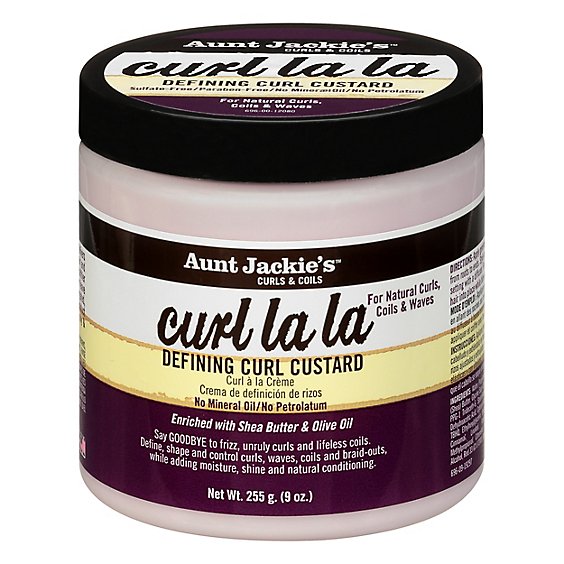
Aunt Jackies Curl Defining - 9 Oz


Aunt Jackies Curl Defining is an excellent product for defining, shaping and controlling unruly curls, coils and waves. It adds moisture, shine and natural conditioning to the hair without leaving it feeling stiff or dry. This product contains no petrolatum or mineral oil so it won't weigh down hair. It also has no sulfates or parabens which makes it a great option for those who are looking for a more natural product.
- Enhances Curls: Many customers love how Aunt Jackies Curl Defining defines and enhances their natural curl pattern, giving them the perfect curls they desire.
- Moisturizing Effect: Users appreciate the moisturizing properties of the product, that keeps their hair hydrated and healthy.
- Easy to Use: Customers find the product easy to apply and it easily blends into the hair, making it a handy addition to their daily hair care routine.
- Non-Greasy Formula: People enjoy that Aunt Jackies Curl Defining does not leave a greasy residue behind, leaving their hair feeling light and natural.
- Long Lasting: Users praise its long-lasting effect, as it keeps their curls defined throughout the day.
- Suitable for Different Hair Types: Customers appreciate its suitability for different hair types, making it a versatile product for everyone in the family.
- Pleasant Scent: Many users love the pleasant scent of Aunt Jackies Curl Defining, which adds to their overall satisfaction with the product.


