


What to Eat On Ozempic and Other GLP-1 Medications: a Safeway Shopping Guide
Your appetite shrank. A meal that used to feel normal now feels like too much. This guide is for the cart you have to rebuild while your body adjusts to a GLP-1 medication: Ozempic, Wegovy, Mounjaro, Zepbound, Saxenda, Rybelsus, or one of the other branded versions.
The short version is four priorities, in order: enough protein to protect muscle, enough fluid to stay hydrated, enough fiber to keep things moving, and enough variety to cover the vitamins and minerals you're now eating less of. Everything else is detail.
This is a shopping guide, not a medical guide. If your prescriber or a registered dietitian has given you specific instructions, those override anything here.
The four priorities, with numbers
In May 2025, four medical organizations published a joint advisory on nutrition for adults on GLP-1 therapy: the American College of Lifestyle Medicine, the American Society for Nutrition, the Obesity Medicine Association, and The Obesity Society (Mozaffarian et al., 2025). The numbers below come from that advisory and from current consumer guidance at Mayo Clinic and Cleveland Clinic.
Protein
The advisory's target during active weight loss is 1.2 to 1.6 grams of protein per kilogram of body weight per day. For a 150-pound adult, that's roughly 82 to 109 grams a day. Spread it across the day. Two eating occasions of 30 grams of protein do more for muscle recovery and rebuilding than one of 60, and 30 grams at once is more than most GLP-1 users can comfortably eat.
Hydration
About 64 to 80 ounces of water or sugar-free fluid a day is a reasonable working target. The advisory emphasizes staying hydrated, especially when food intake is low.
Practical move: stop drinking large amounts with meals. Liquid fills the small amount of stomach space you have, leaving no room for protein. Drink between meals, not during.
Fiber
The federal target for most adults is 25 grams a day for women and 38 grams a day for men under 50, dropping to 21 and 30 for adults over 50 (2020-2025 Dietary Guidelines for Americans).
Add fiber slowly and add water with it. A sudden fiber bump without enough fluid backfires. The Safeway article on prune juice for constipation covers that tactic in detail.
Micronutrients
The advisory names ten nutrients to watch when calorie intake drops: iron, calcium, magnesium, zinc, and vitamins A, D, E, K, B1, B12, and C. The fix is variety on the plate. The advisory's recommendation is "a diversity of nutrient-dense, minimally processed foods such as fruits, vegetables, whole grains, legumes, lean proteins, nuts, and seeds." It does not endorse a specific named diet.
A daily multivitamin, vitamin D, and B12 are common additions your clinician or dietitian may suggest. Pick those up from the pharmacy aisle if so; don't self-diagnose deficiencies.
What to put in the cart
Most of this cart lives on the perimeter of the store. The center store covers oats, protein powder, canned beans, and the pantry items that round it out.
Eggs and dairy
Eggs handle the protein floor at breakfast or as a snack.
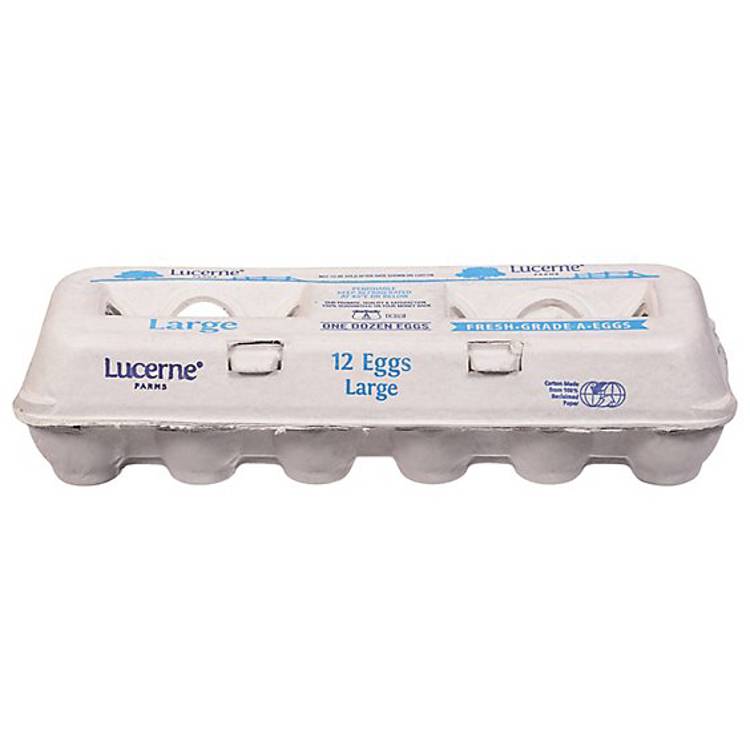
Pick at Safeway: Lucerne Large Eggs, 12 ct.
Plain Greek yogurt. A 32-ounce tub covers a week of breakfasts and snacks. Fage Total 0% delivers around 18 grams of protein per 6-ounce serving; the 5% whole-milk version trades some protein density for richer texture.
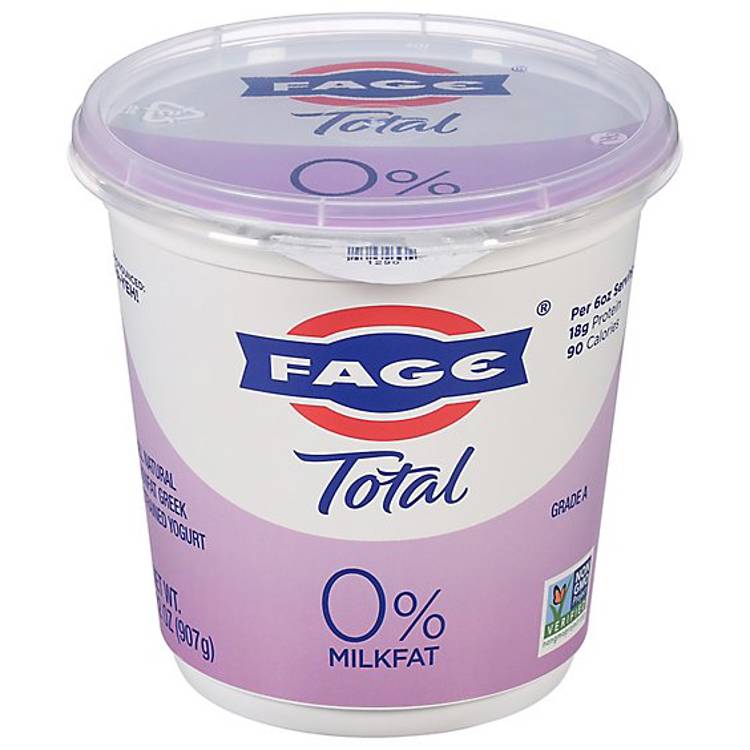
Picks at Safeway: FAGE Total 0% Plain Greek Yogurt, 32 oz, FAGE Total 5% Whole Milk Plain Greek Yogurt, 32 oz.
Cottage cheese. One of the highest protein-per-bite options in the store, around 12 to 14 grams per half cup. If the curd texture has put you off cottage cheese, blend it. Once blended, it becomes a creamy base for sweet or savory uses without changing the protein.
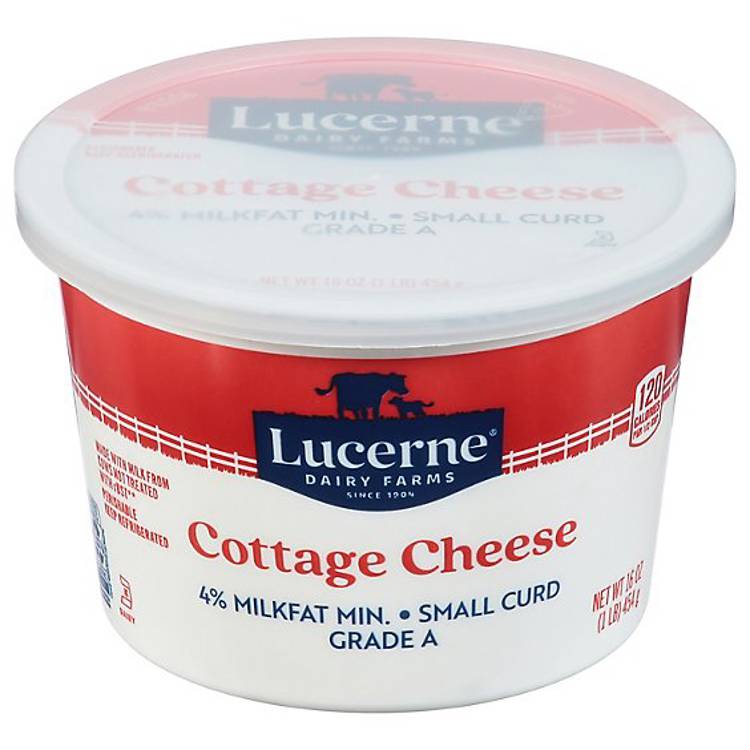
Picks at Safeway: Lucerne Cottage Cheese 4% Milkfat, 16 oz, Good Culture Cottage Cheese 2% Lowfat Classic, 16 oz, O Organics Cottage Cheese 4% Milkfat, 16 oz.
String cheese, single-serve Greek yogurt cups, and pre-cooked hard-boiled eggs all earn shelf space too. They turn into the small, frequent eating occasions the advisory recommends without any prep.
Meat and seafood
A 3-ounce piece of cooked chicken breast lands around 26 grams of protein. Lean ground beef in the 93/7 range tends to sit better than fattier blends. Salmon and shrimp fit the advisory's nutrient-dense framework.
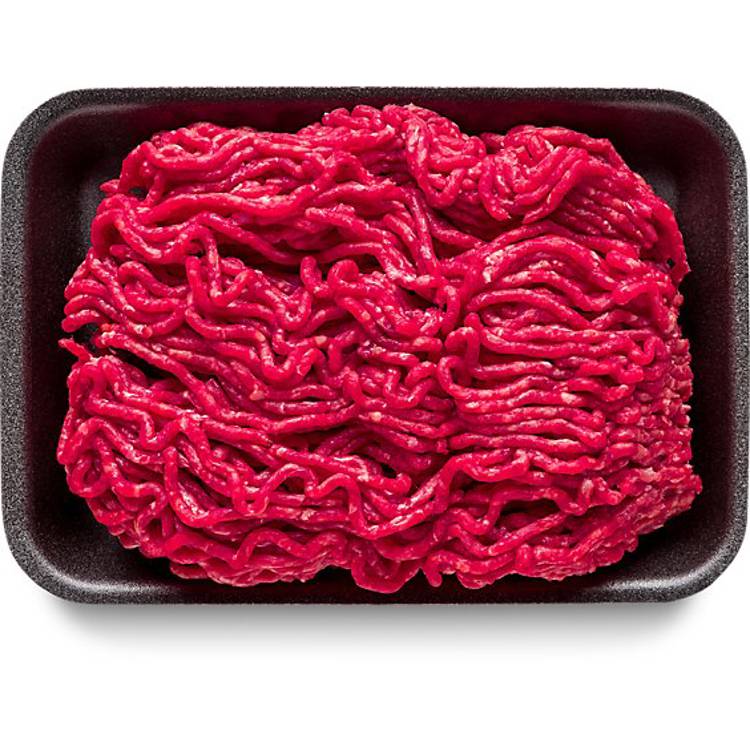
Picks at Safeway: Signature Farms Boneless Skinless Chicken Breasts Value Pack, 3.5 lb, Signature Farms 93% Lean Ground Beef, 1 lb, Previously Frozen Raw Shrimp, Peeled & Deveined, 1 lb.
Deli-sliced turkey or chicken works for low-effort sandwiches and roll-ups. Canned tuna in water gets you 20 grams of protein straight from the pantry.
Pantry protein and fiber
Whey protein powder. Earns its space on the days when even a yogurt feels like too much. A scoop blended into milk or a smoothie is 20 to 30 grams of protein in something you can sip slowly. Most major brands hit 20 grams per scoop; check the ingredient list for added sugar if that matters to you.
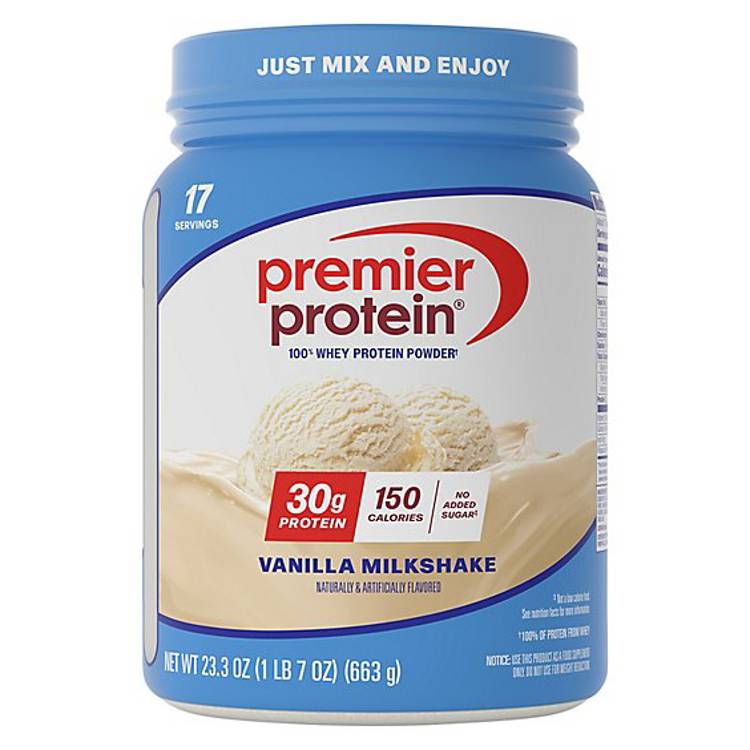
Pick at Safeway: Premier Protein Powder Vanilla, 23.3 oz.
Oats. Half a cup of rolled oats has about 4 grams of fiber, mostly soluble. Steel-cut takes longer to cook but holds its shape better. Quick oats work for porridge in a hurry.
Pick at Safeway: Signature SELECT Quick Oats, 18 oz.
Chia seeds and ground flaxseed. Two tablespoons of chia have 10 grams of fiber. Two tablespoons of ground flax have 3 to 4 grams plus omega-3s. Stirred into yogurt, oats, or a smoothie, they barely change the texture but move the fiber math considerably.
Canned beans and lentils. Black beans, kidney, pinto, chickpeas, lentils. Half a cup of any of them gets you 6 to 9 grams of fiber and 7 to 9 grams of protein. Rinsing reduces the sodium by close to 40%.
Snacks built for small appetites
When meals shrink, snacks become meals. The format that works on a GLP-1: small, high-protein, easy to eat slowly.
- Greek yogurt cups (Chobani, Fage, Oikos individual cups)
Cottage cheese cups (Good Culture, Lucerne)
String cheese
Pre-cooked hard-boiled eggs from the dairy case
Beef or turkey jerky (Krave, Chomps, Country Archer, Tanka)
Ready-to-drink protein shakes (Premier Protein, Fairlife Core Power, Orgain)
Edamame in the pod (microwave from frozen)
Roasted chickpeas
Produce that earns the cart space
Hydrating, fiber-friendly, and easy on a small stomach:
Bananas
Apples and pears (skin on for fiber)
Berries (raspberries and blackberries are highest in fiber)
Kiwifruit
Oranges, clementines, mandarins
Watermelon and cucumber (about 90% water)
Avocados
Leafy greens (spinach, arugula, baby kale)
Fresh ginger root and lemons
Beverages
Plain water and sparkling water do most of the work. Liquid I.V., Gatorlyte, Electrolit, and sugar-free Pedialyte add electrolytes when fluid intake is low. The Safeway electrolyte drinks article has the comparison.
Bone broth and chicken broth count toward fluid intake and add a small amount of protein. Pacific Foods, Kettle & Fire, and Bonafide Provisions are widely carried; broth in a carton lives in the soup aisle.
Ginger tea and peppermint tea are caffeine-free options worth keeping in the pantry.
Pharmacy aisle
The joint advisory specifically names vitamin D, calcium, B12, and a multivitamin-mineral tablet as common needs. Don't self-prescribe. If your clinician or registered dietitian recommends supplements, they're easy to find at the Safeway pharmacy aisle (Nature Made, Centrum, One A Day, Signature Care).
Foods to be careful with
These aren't off-limits. Tolerance is individual; the items below tend to sit heavier on a smaller appetite.
Deep-fried foods of any kind
Large, high-fat meals (loaded pizza, fast-food combos, cream-heavy pasta)
Regular soda and sweetened drinks. They take up stomach space without giving you protein or fiber.
Large amounts of cruciferous vegetables (broccoli, cauliflower, brussels sprouts) at first
Large amounts of beans at first
The goal isn't to cut these forever. Once your body has adapted, many GLP-1 users reintroduce all of the above in moderate portions.
A note on cooking the recipes the cart enables
Safeway's High protein-high fiber snacks, shakes & bites cookbook lines up well with the eating pattern GLP-1 users tend to land on: short cook times, two-serving yields, anchor ingredients you can buy in one trip. The smoothies, oatmeal bites, and blended cottage cheese dips in the cookbook are designed for small appetites and easy reheating.
The Safeway recipe pages all include an "Add ingredients to cart" button, which lines up everything from a recipe in one tap. Drive Up & Go and home delivery carry all the staples in this guide.
FAQ
How much protein do I really need on Ozempic or another GLP-1?
The joint medical advisory from the American Society for Nutrition and three other organizations recommends 1.2 to 1.6 grams of protein per kilogram of body weight per day during active weight loss. For a 150-pound adult, that's 82 to 109 grams a day. Spread it across four or five eating occasions; one big meal of 60 grams is harder on a GLP-1 stomach than two of 30 grams.
What snacks are best on Ozempic?
Anything that delivers 10 grams or more of protein in a small portion: Greek yogurt cups, cottage cheese cups, string cheese, pre-cooked hard-boiled eggs, jerky, a ready-to-drink protein shake. The category to lean on is high-protein, low-sugar, single-serve.
Do I need a protein powder?
Not necessarily. You can hit the protein target from food alone if you can eat enough. Powder is useful on the days when nothing solid is going down: a scoop blended into milk or a smoothie is 20 to 30 grams of protein in something you can sip slowly. Look for at least 20 grams per scoop and check the ingredient list for added sugar.
Do I need to take vitamins on a GLP-1?
Maybe. The joint advisory names ten micronutrients that can run low when total food intake drops: iron, calcium, magnesium, zinc, and vitamins A, D, E, K, B1, B12, and C. The most common supplements clinicians and dietitians suggest are vitamin D, B12, calcium, and a basic multivitamin. Don't self-diagnose; ask your prescriber or a registered dietitian.
The guidance in this article reflects current consumer-facing nutrition recommendations and the May 2025 joint advisory from the American College of Lifestyle Medicine, the American Society for Nutrition, the Obesity Medicine Association, and The Obesity Society. It is not medical advice. Anyone on a GLP-1 medication who is dealing with persistent side effects, significant weight changes, or specific health conditions should talk to their prescriber or a registered dietitian.