


Toothpaste and Mouthwash Q&A Guide
The oral care aisle has a lot of options. Whitening, sensitive, tartar control, fluoride-free, alcohol-free—it's not always clear what you actually need or whether spending more gets you better results.
Most people have questions about whether store brands work as well as name brands, what different ingredients actually do, and how to pick products for specific problems like sensitivity or bad breath. This guide answers those questions based on how these products actually work.
You'll find straightforward explanations about active ingredients, when generic products are fine versus when you might want something specific, and what to expect from different types of toothpaste and mouthwash.
FAQ
Why does whitening toothpaste sometimes make my teeth more sensitive?
Whitening toothpastes contain abrasives like silica or peroxide ingredients that remove surface stains. These same ingredients can wear away enamel or irritate exposed dentin if you brush too hard or use them constantly. Your teeth have tiny tubules that lead to the nerves. When enamel thins or gums recede, those tubules get exposed and you feel sensitivity to hot, cold, or sweet foods.
|
|
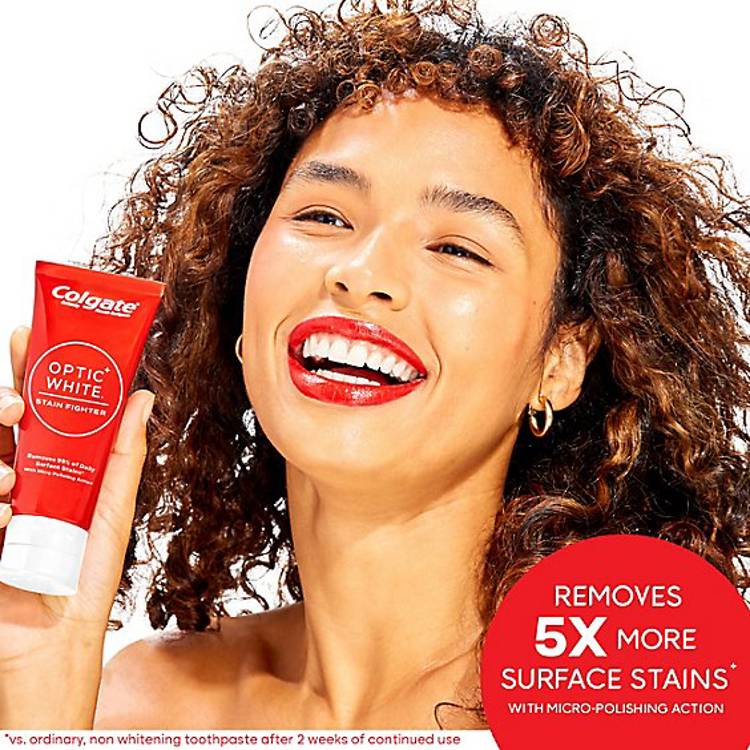
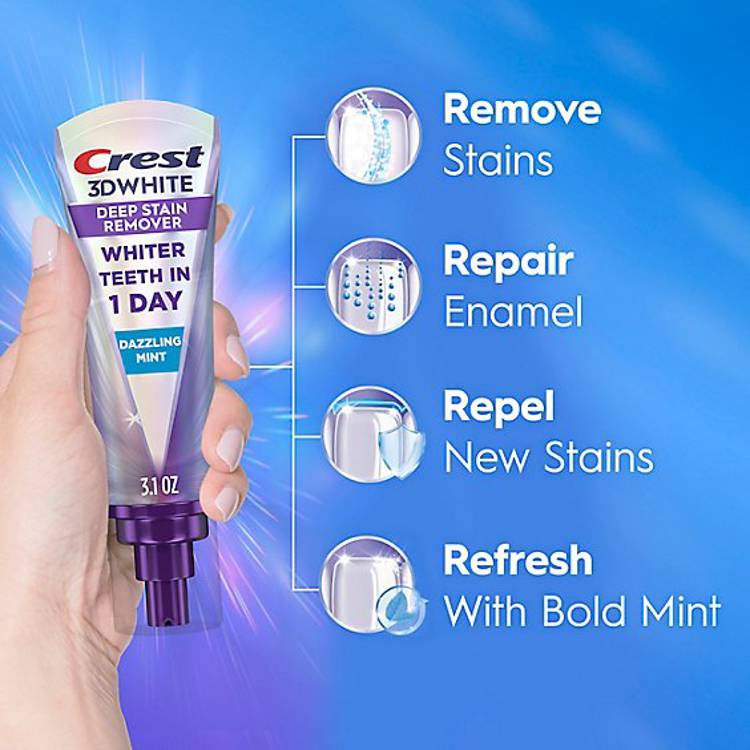
Products like Colgate Optic White and Crest 3D White use hydrogen peroxide for deeper whitening, which penetrates enamel and can temporarily increase sensitivity. The peroxide doesn't damage healthy teeth, but it does make nerves more reactive for a few days.
If you're experiencing sensitivity, switch to a sensitive teeth formula like Sensodyne or Colgate Sensitive for two weeks. Once the sensitivity calms down, you can alternate between whitening and sensitive toothpaste. Use the whitening version three or four times per week instead of daily.
What's the difference between regular toothpaste and tartar control?
Regular toothpaste prevents cavities using fluoride. Tartar control toothpaste includes ingredients like pyrophosphates or zinc citrate that slow down the formation of tartar, which is hardened plaque that builds up above and below your gumline.
Everyone gets plaque. It's the sticky film of bacteria that forms on your teeth constantly. When you don't brush it away within 24 to 48 hours, it hardens into tartar. Once it's tartar, brushing won't remove it. You need a dental hygienist to scrape it off.
Tartar control toothpaste like Crest Tartar Protection doesn't remove existing tartar. It just slows down how fast new tartar forms. If you're prone to heavy tartar buildup between dental cleanings, these formulas help. But they don't replace professional cleanings every six months.
For most people, regular fluoride toothpaste with good brushing technique works fine. You only need tartar control if your dentist mentions you have excessive buildup.
Is fluoride-free toothpaste effective, or do I actually need fluoride?
Fluoride strengthens tooth enamel and prevents cavities. Decades of research confirm it works. Every major dental organization recommends fluoride toothpaste for cavity prevention.
Fluoride-free options like Open Nature Fluoride Free Antiplaque & Whitening Peppermint use ingredients like xylitol, baking soda, or essential oils for cleaning. They remove plaque and freshen breath, but they don't prevent cavities the way fluoride does. The American Dental Association doesn't give its seal of approval to toothpastes without fluoride.
If you never get cavities and your dentist confirms your teeth are in excellent condition, fluoride-free might work for you. But if you have a history of cavities, gum disease, or dry mouth, you need fluoride. These conditions make you more vulnerable to decay.
How long does it take for sensitive teeth toothpaste to work?
Sensitive toothpastes like Sensodyne, Colgate Sensitive, or Signature Care Sensitive contain potassium nitrate or stannous fluoride. These ingredients block the tubules in your teeth that transmit pain signals to the nerves.
You should notice some improvement within three to five days of twice-daily use. Full relief takes about two weeks of consistent use. The key word is consistent. If you only use it occasionally, it won't build up enough protection to work properly.
Don't switch back to regular toothpaste once your sensitivity improves. You need to keep using the sensitive formula to maintain the protection. The blocking effect wears off if you stop using it, and sensitivity comes back.
For immediate relief when you have a particularly painful tooth, you can apply a small amount of sensitive toothpaste directly to the sore spot and leave it there for a minute before brushing. This gives a higher concentration right where you need it.
If sensitivity doesn't improve after two weeks, see your dentist. You might have a cavity, cracked tooth, or receding gums that need professional treatment.
Should I use mouthwash before or after brushing?
Use mouthwash after brushing and flossing. Brushing and flossing remove food particles and plaque first. Then mouthwash reaches the clean tooth surfaces and between teeth to kill bacteria and deliver fluoride.
If you rinse with water after brushing, you wash away the fluoride from your toothpaste. The fluoride needs time to sit on your teeth and strengthen enamel. Using mouthwash right after brushing keeps fluoride protection on your teeth.
Some people like using mouthwash before brushing to loosen debris. That's fine, but you should still rinse with mouthwash after brushing too for the full benefit.
Never substitute mouthwash for brushing. Mouthwash kills bacteria and freshens breath, but it doesn't physically remove plaque the way brushing does.
What's the difference between antiseptic mouthwash and fluoride mouthwash?
Antiseptic mouthwashes like Listerine and Signature Care Antiseptic contain ingredients like eucalyptol, menthol, thymol, and methyl salicylate. These kill bacteria that cause bad breath, plaque, and gingivitis. The alcohol content in some formulas helps the active ingredients penetrate into gum pockets.
Fluoride mouthwashes like ACT Anticavity and Listerine Total Care focus on cavity prevention. They coat your teeth with fluoride that strengthens enamel and makes it more resistant to acid attacks from bacteria.
Some products combine both benefits. Listerine Total Care and Crest Pro-Health are antiseptic and contain fluoride, so you get bacteria killing and cavity protection in one rinse.
If you have healthy teeth and gums but want fresh breath, antiseptic mouthwash works. If you're prone to cavities or have areas of weak enamel, choose fluoride mouthwash. If you have both concerns, pick a combination product.
For people with gingivitis or gum disease, antiseptic mouthwash is essential because it reduces the bacteria that inflame gums.
Do I need alcohol-free mouthwash, or does the alcohol help it work better?
Alcohol in mouthwash helps active ingredients penetrate biofilm and reach bacteria in gum pockets. It also gives that intense burning sensation people associate with "working." But alcohol isn't necessary for mouthwash to be effective.
Alcohol-free versions like Listerine Zero and Crest Pro-Health Advanced Alcohol Free work just as well at killing bacteria and preventing gingivitis. They use different carrier systems to deliver the active ingredients without alcohol.
The advantage of alcohol-free formulas is they don't cause dry mouth. Dry mouth reduces saliva, and saliva is your natural defense against cavities and bad breath. If you already have dry mouth from medications or health conditions, alcohol-based mouthwash makes it worse.
Alcohol-free mouthwash also doesn't burn, which makes it easier to swish for the full 30 seconds to one minute that you need for it to work effectively. Many people can't tolerate the burning from alcohol versions long enough for them to work.
Children should always use alcohol-free formulas. The alcohol content in regular mouthwash is significant, and kids sometimes swallow it accidentally.
Why does my mouth still feel dirty after using mouthwash?
Mouthwash doesn't remove plaque or food particles. It only kills bacteria and freshens breath. If your mouth feels slimy or coated after rinsing, you didn't brush and floss thoroughly enough before using the mouthwash.
Some mouthwashes also contain ingredients that temporarily alter your taste perception or leave a coating feeling. This usually goes away within 15 to 30 minutes.
The burning sensation from alcohol-based mouthwash can make your mouth feel raw or dry afterward. This isn't cleaning happening. It's irritation. If you don't like how your mouth feels after mouthwash, switch to an alcohol-free version or a gentler formula like TheraBreath.
Always brush for two full minutes and floss before using mouthwash. If you're still noticing a dirty feeling, you might have heavy plaque buildup or tartar that needs professional cleaning.
Can mouthwash replace brushing if I'm in a hurry?
No. Mouthwash kills bacteria but doesn't physically remove plaque, food particles, or stains. Plaque is sticky and forms a biofilm that adheres to teeth. Only mechanical action from brushing and flossing breaks it up and removes it.
If you skip brushing and just use mouthwash, the plaque stays on your teeth. The bacteria in that plaque produce acid that causes cavities. Within 24 to 48 hours, the plaque hardens into tartar that you can't remove with brushing.
In an emergency when you truly can't brush, mouthwash is better than nothing. It kills some bacteria and freshens breath temporarily. But this shouldn't be a regular habit.
If you're consistently too rushed to brush, you need to adjust your schedule. Gum disease and cavities develop when you regularly skip brushing. Two minutes twice a day isn't negotiable for good oral health.
How much mouthwash should I use, and how long should I swish it?
Use the amount indicated on the cap, usually about 20 milliliters or four teaspoons. That's enough to swish throughout your entire mouth without being so much that you can't keep it in your mouth comfortably.
Swish for 30 seconds to one minute depending on the product instructions. Most antiseptic mouthwashes need 30 seconds minimum for the active ingredients to work. Fluoride rinses benefit from a full minute to allow the fluoride to coat all tooth surfaces.
Don't dilute mouthwash with water. The concentration is designed to work at full strength. Adding water reduces effectiveness.
After swishing, spit it out. Don't swallow mouthwash, even though the amount you might accidentally ingest isn't dangerous. The ingredients aren't meant to be consumed.
Don't rinse with water after using mouthwash. You want the fluoride and active ingredients to stay on your teeth, not get washed away.
Why do some mouthwashes say "antigingivitis" while others just say "antiseptic"?
Antigingivitis means the mouthwash has been clinically tested and proven to reduce gingivitis, which is inflammation and bleeding of the gums. Products like Listerine Clinical Solutions Gum Health and TheraBreath Antigingivitis specifically target gum disease.
Antiseptic mouthwashes kill bacteria generally. Most antiseptic mouthwashes also help with gingivitis because they kill the bacteria that cause it, but they might not have specific clinical studies proving effectiveness against gum disease.
If your gums bleed when you brush or floss, you have gingivitis. Choose a mouthwash labeled antigingivitis for the most effective treatment. Combine it with better brushing and flossing technique. If your gums don't improve within two weeks, see your dentist.
For people with healthy gums who want to prevent problems, regular antiseptic mouthwash works fine.
Can I use mouthwash if I have sensitive teeth?
Yes, but choose an alcohol-free formula. Alcohol can increase tooth sensitivity temporarily by drying out your mouth and irritating exposed dentin.
Products like Crest Pro-Health Advanced Alcohol Free and Listerine Zero work well for sensitive teeth. They kill bacteria and freshen breath without the burning sensation that aggravates sensitivity.
Some mouthwashes like ACT Restoring contain fluoride that actually helps reduce sensitivity over time by strengthening enamel. Using a fluoride rinse after brushing with sensitive teeth toothpaste gives you double protection.
Avoid mouthwashes with strong whitening claims if you have sensitive teeth. The peroxide or harsh ingredients can make sensitivity worse.
Does mouthwash help with bad breath better than brushing?
Bad breath comes from bacteria on your tongue, between your teeth, and in gum pockets. Brushing removes bacteria and food particles from tooth surfaces and your tongue. Mouthwash reaches areas between teeth and below the gumline where your toothbrush can't reach effectively.
For best results, you need both. Brush your tongue or use a tongue scraper to remove the bacteria that cause most bad breath. Then floss to clean between teeth where food particles rot and smell. Finally, use antiseptic mouthwash to kill remaining bacteria throughout your mouth.
If you only use mouthwash without brushing, you're masking the odor temporarily. The bacteria and food particles are still there producing smell. Within an hour or two, bad breath comes back.
Chronic bad breath despite good hygiene might indicate gum disease, tonsil stones, or digestive issues. See your dentist if mouthwash and proper brushing don't solve the problem.
How long does mouthwash keep working after I use it?
Antiseptic mouthwash continues killing bacteria for several hours after use. The active ingredients coat your teeth and gums and keep working even after you spit out the rinse. This is why you shouldn't eat or drink immediately after using mouthwash. You want to give it time to work.
The fresh breath effect lasts two to four hours depending on what you eat and drink afterward. Coffee, garlic, and other strong flavors overpower the mint freshness quickly.
The bacteria-killing effect diminishes over time as bacteria multiply again. This is why dentists recommend using mouthwash twice daily, usually after morning and evening brushing. Regular use maintains low bacteria levels and prevents plaque buildup.
One-time use before a meeting or date gives you temporary fresh breath but doesn't provide the long-term benefits of consistent use.
Should kids use mouthwash?
Kids over age six can use mouthwash if they can reliably swish and spit without swallowing. Choose alcohol-free formulas specifically designed for children, or use adult alcohol-free options at half the recommended amount.
Fluoride mouthwash like ACT Anticavity is beneficial for kids prone to cavities. The extra fluoride exposure strengthens developing permanent teeth. Make sure kids understand they need to spit it all out, not swallow it.
Children under six shouldn't use mouthwash. They're likely to swallow it, and ingesting fluoride mouthwash repeatedly can cause fluorosis, which creates white spots on permanent teeth as they develop.
Mouthwash doesn't replace brushing and flossing for kids. It's an optional addition, not a requirement for good oral health.
What should I do if my mouth burns too much from mouthwash?
Switch to an alcohol-free formula immediately. The burning sensation is from alcohol, not from the mouthwash working better. You can get the same bacteria-killing and breath-freshening benefits without the burning.
If alcohol-free mouthwash still burns, you might have mouth sores, canker sores, or irritated gums. Burning that's painful rather than just intense indicates tissue damage or inflammation.
Try a gentler formula like TheraBreath Mild Mint, which is designed for people with sensitive mouths. Colgate Peroxyl is specifically for mouth sores and healing damaged tissue.
Never dilute mouthwash with water to reduce burning. This reduces effectiveness. Just switch to a gentler product.
If all mouthwashes cause pain, see your dentist. You might have an underlying condition like oral thrush, vitamin deficiency, or an allergic reaction to specific ingredients.
Does mouthwash expire, and does it matter?
Mouthwash expires, usually two to three years after manufacture. The expiration date is printed on the bottle. After expiration, the active ingredients start breaking down and become less effective.
Expired mouthwash won't hurt you, but it won't work as well at killing bacteria or providing fluoride protection. The flavor might also change or become less pleasant.
Store mouthwash at room temperature away from direct sunlight. Heat and light accelerate degradation of active ingredients. Don't leave it in a hot car or sunny bathroom windowsill.
If your mouthwash looks cloudy, smells off, or has particles floating in it, throw it away even if it hasn't reached the expiration date. This indicates contamination or breakdown of ingredients.
Can I use whitening mouthwash instead of whitening toothpaste?
Whitening mouthwashes like Colgate Optic White contain low concentrations of peroxide that help remove surface stains over time. They work, but more slowly and less dramatically than whitening toothpaste.
Mouthwash only contacts your teeth for 30 to 60 seconds. Toothpaste gets two minutes of contact plus mechanical scrubbing from your toothbrush. The combination of peroxide and abrasive action in whitening toothpaste removes stains more effectively.
For best results, use both whitening toothpaste and whitening mouthwash. The mouthwash reaches between teeth where toothpaste doesn't penetrate as easily. Together they provide more complete whitening.
If you have sensitive teeth, just use whitening mouthwash without whitening toothpaste. The mouthwash alone causes less sensitivity while still providing gradual stain removal.
Professional whitening treatments at the dentist work faster and more dramatically than any over-the-counter products. But whitening toothpaste and mouthwash help maintain those results after professional treatment.
Is it safe to use mouthwash every day?
Yes, daily mouthwash use is safe and beneficial for most people. Using antiseptic mouthwash twice daily reduces bacteria, prevents gingivitis, and keeps breath fresh.
Some concerns exist about alcohol-based mouthwash and oral cancer risk, but research hasn't proven a clear connection. If you're worried, use alcohol-free formulas that work just as effectively.
Mouthwash with fluoride is safe for daily use. The fluoride concentration is much lower than what dentists use for professional treatments. Daily use strengthens enamel without causing fluorosis in adults.
Very frequent use of strong antiseptic mouthwash might disrupt your oral microbiome by killing beneficial bacteria along with harmful ones. Stick to twice daily use after brushing rather than rinsing after every meal.
If you notice your mouth feels constantly dry or you develop persistent irritation, reduce use to once daily or switch formulas.