


How to Wash Cloth Diapers


Bestsellers for Stain Remover & Boosters
Washing cloth diapers is straightforward once you know the routine: cold pre-rinse, hot wash with detergent, extra rinse, dry. This article covers storage, washing, stain removal, and troubleshooting common problems like odors and buildup.
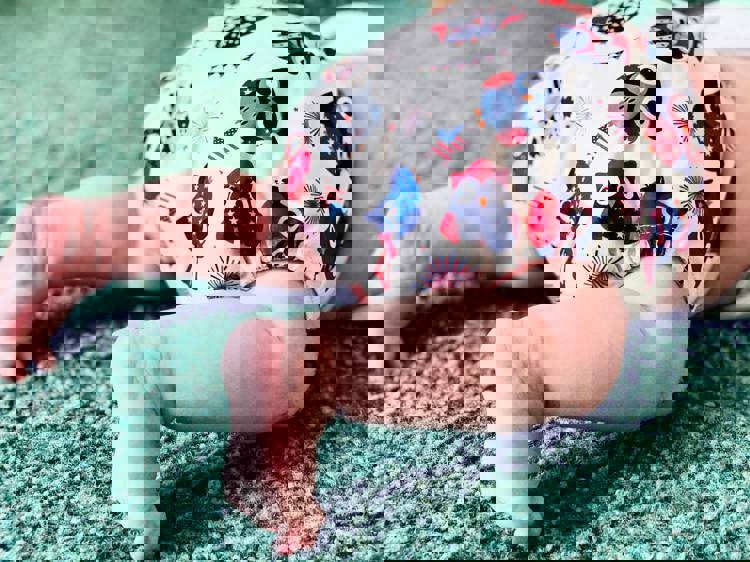
Why Use Cloth Diapers
Most families choose cloth diapers for cost savings, environmental reasons, or concerns about chemicals in disposables. Here is what the research actually shows.
Cost
A full set of cloth diapers costs $300-800 upfront. Disposable diapers cost $2,000-3,000 from birth to potty training (around 6,000-8,000 diaper changes over 2-3 years).
After factoring in water, electricity, and detergent for washing, cloth diapers save most families $1,300-1,900 over disposables. The savings increase significantly if you reuse the same diapers for a second child.
The break-even point is typically 6-12 months. After that, the ongoing cost is just laundry.
Environment
The environmental comparison is more nuanced than many sources claim.
Disposables: Create significant landfill waste. Diapers are the third largest consumer item in landfills (about 4% of solid waste). They take an estimated 500 years to decompose. Manufacturing has a larger carbon footprint than cloth.
Cloth: Uses more water and energy due to frequent washing. Detergent production has environmental costs. However, washing in cold water, line drying, and using energy-efficient machines reduces impact substantially.
Studies, including one from the UK Environment Agency, found the overall environmental impact is roughly similar. Cloth can be better with efficient washing practices. Disposables may be preferable in areas with water shortages. Neither choice is dramatically better or worse for the planet.
Baby's skin
The Cochrane Collaboration reviewed 28 studies and found insufficient evidence that either diaper type prevents diaper rash better than the other. A 2024 study found no significant difference in rash frequency between cloth and disposable users when caregivers changed diapers regularly.
What matters more than diaper type:
- Changing diapers every 2-3 hours
Keeping the diaper area clean and dry
Using gentle, unscented products
Cloth diapers are free from the fragrances, dyes, and chemicals found in some disposables, which may matter for babies with sensitive or reactive skin. But modern disposables have also improved. Neither is inherently better for preventing rash.
The honest take
Cloth diapers make sense if you want to save money over time, reduce landfill waste, or prefer natural materials against your baby's skin. They require more upfront investment and ongoing laundry. Disposables are more convenient, especially for travel and daycare, and work just as well for your baby's skin.
Many families use both: cloth at home, disposables when out or traveling. There is no wrong choice.
How to Store Dirty Cloth Diapers
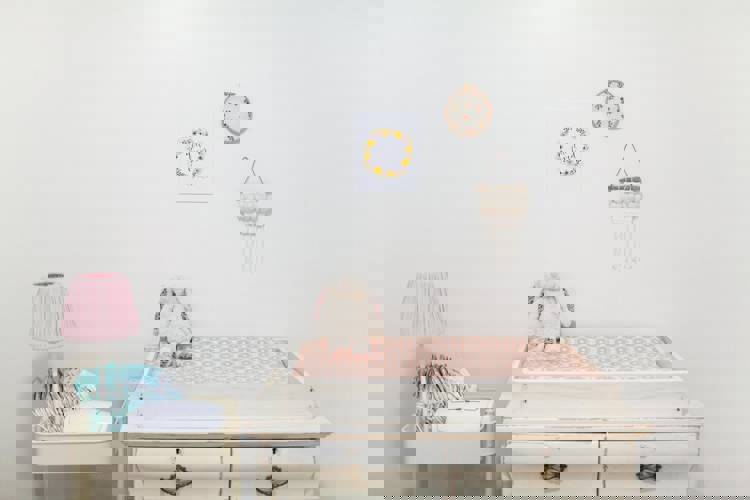
The dry pail method is the modern standard. Place used diapers in a lined container or wet bag without soaking them. This is simpler, safer, and easier on modern cloth diapers than older methods.
Storage options
Pail with liner: Use any trash can or diaper pail lined with a reusable PUL wet bag. On wash day, the liner goes into the machine with the diapers. Buy two liners so one is always ready while the other is in the wash.
Hanging wet bag: Works well for small spaces. Hang on the back of a door, in a closet, or on a hook near the changing area. Wet bags contain odors and go directly into the wash.
Open basket: A laundry basket with holes allows maximum airflow, which reduces odor and bacterial growth. This works if you have a dedicated space away from pets and children.
Best practices
Airflow matters. Store diapers in a well-ventilated area. A closed container concentrates odors and can promote mold growth. If using a wet bag, leave it partially unzipped between changes. If using a pail, a lid with holes or no lid at all is better than a sealed lid.
Handle solids first. For formula-fed babies or babies eating solids, knock or scrape waste into the toilet before storing. A diaper sprayer attached to the toilet makes this easier. Breastfed baby poop is water-soluble and can go directly into the pail without rinsing.
Wash every 2-3 days. Waiting longer allows bacteria to multiply, stains to set, and ammonia to build up. With good airflow, you can stretch to 4 days, but 2-3 is ideal.
Keep away from heat and sunlight. Heat accelerates bacterial growth and can damage PUL. Store the pail in a cool spot.
Clean the container. Wipe down the pail or basket each wash day. Wash wet bag liners with every load.
On the go
Use a small wet bag with a zipper for outings. PUL fabric with sealed seams contains moisture and odor. When you get home, empty dirty diapers into your main pail and leave the wet bag open to air out until laundry day.
Why the wet pail method is outdated
Soaking diapers in water was common years ago, but modern cloth diaper manufacturers advise against it. Extended soaking damages elastics and waterproof layers (PUL/TPU). Wet pails are heavy, messy, and create a drowning hazard for toddlers and pets. The dry pail method works better with modern diapers and front-loading machines.
How to Wash Cloth Diapers
The wash routine has three steps: pre-rinse, main wash, and extra rinse.
Step 1: Pre-rinse (cold or warm water)
Run a short cycle with cold or warm water and a small amount of detergent. This removes surface waste before the main wash. Cold water prevents protein stains (like poop) from setting.
Step 2: Main wash (hot water)
Run a full cycle on hot with a full dose of detergent. Hot water sanitizes and deep cleans the fabric. Use the longest, heaviest cycle your machine offers.
Step 3: Extra rinse
Run one or two additional rinse cycles to remove all detergent residue. Leftover detergent irritates baby skin and reduces absorbency over time.
Step 4: Dry
Tumble dry on medium heat, or line dry. Sunlight naturally bleaches stains and kills bacteria. If line drying diapers with elastic, drape them so the wet weight does not stretch the elastic.
Detergent recommendations
Powder detergent cleans better than liquid for cloth diapers. Tide Original Powder is widely considered the gold standard in cloth diaper communities. It contains the right balance of enzymes, surfactants, and water softeners to handle diaper laundry.
Other effective options: Tide Free & Gentle Powder, Persil, Gain Ultra Powder.
What to avoid:
Fabric softener: Coats fibers and blocks absorbency
Dryer sheets: Leave residue that causes leaks
Detergent pods: Can leave residue and may damage waterproof layers in HE machines
Baby-specific detergents: Optional. Standard detergents with enzymes work well for the heavy soiling in cloth diapers
Homemade detergent: Lacks the cleaning power needed for diapers and leaves buildup
HE machine tips
High-efficiency machines use less water, which can leave diapers under-washed. Tricks to add more water:
Add a wet towel to the load to trick the sensor into adding more water
Select the "bulky" or "heavy" cycle
Use the "extra rinse" option
Wash 12-18 diapers at a time so the load agitates properly against itself
Hard water
Hard water contains minerals (calcium and magnesium) that build up in fabric over time. This buildup traps bacteria, causes ammonia smells, and reduces absorbency.
Signs you might have hard water:
Mineral deposits around faucets and showerheads
Soap and shampoo do not lather easily
White residue on dishes after washing
Diapers smell like ammonia even when clean
How to test: Water hardness test strips are available at hardware stores and pet stores. Many pet stores test water for free. Dip a strip in your tap water and compare to the color chart.
Understanding results (parts per million):
0-60 ppm: Soft water. No action needed.
60-120 ppm: Moderately hard. Consider adding a water softener to your wash.
120-180 ppm: Hard. Add a water softener to every wash.
180+ ppm: Very hard. Water softener is essential.
Solutions:
Add Calgon or Borax (found in the laundry aisle) to your main wash cycle. Use about 1/4 cup for moderately hard water, 1/2 cup for very hard water. These products bind to minerals so your detergent can clean effectively.
Important: Do not run extra rinses with hard water. The rinse redeposits minerals that the detergent and softener worked to remove.
How to Remove Cloth Diaper Stains
Stains do not mean diapers are dirty. A properly washed diaper can still have discoloration. If the staining bothers you, here are the most effective removal methods.
Sunning
UV rays from sunlight break down the chemical bonds that give stains their color. This fades discoloration without chemicals and works well for cloth diapers.
Wash diapers as normal
While still wet, lay them flat in direct sunlight or hang on a line
Leave for 2-3 hours (longer can weaken fabric)
Check stains. If they remain, re-wet and repeat
Sunning works even through windows or on cloudy days, though direct sun is faster. In very hot climates, limit sun exposure to one hour at a time to protect elastics.
What sunning does and doesn't do: Sunning fades visible stains on the fabric surface. It does not remove soiling embedded deep in fibers. A diaper that looks clean after sunning is not necessarily cleaner than before. Sunning is cosmetic, not a substitute for proper washing. If diapers smell clean and absorb well, the wash routine is working regardless of whether faint stains remain.
Lemon juice
The citric acid in lemon juice breaks down stain molecules by destabilizing their structure. Combined with sunlight, it fades discoloration effectively.
Mix equal parts lemon juice and water in a spray bottle
Spray the stain
Place in sunlight for a few hours
Wash again before using (citric acid must be rinsed out to avoid fabric damage)
Avoid using lemon juice on silk, wool, or dyed fabrics.
OxiClean (oxygen bleach)
Oxygen bleach removes stains without the harshness of chlorine bleach. OxiClean Versatile Stain Remover Powder works well for cloth diapers.
Fill a tub or sink with warm water
Add one scoop of OxiClean
Submerge clean but stained diapers
Soak for 1-6 hours (not overnight)
Wash with your regular diaper laundry
Important: Oxygen bleach is safe for cotton prefolds and inserts. Use caution with diapers containing elastic or waterproof PUL layers. Extended soaking can damage these materials. For diapers with PUL, limit soak time to 1-2 hours.
OxiClean MaxForce Spray can be used as a pre-treatment before washing.
Prevention tips
Wash diapers within 2-3 days of use
Use cold water for the pre-rinse (hot water sets protein stains)
Do not put stained diapers in the dryer until the stain is gone. Heat sets stains permanently.
Breastfed baby poop stains more than formula, but also washes out more easily
Dealing with Mold
Mold can grow on cloth diapers left wet too long, stored in humid conditions, or not dried completely.
Signs of mold:
Black, green, or gray spots
Musty smell that persists after washing
Fuzzy growth on fabric
How to treat mold:
Wash diapers on hot with detergent and one cup of bleach (chlorine bleach, not oxygen bleach)
Run extra rinses until no bleach smell remains
Dry completely in direct sunlight if possible
Inspect. If mold remains, repeat or discard the diaper
Bleach is not recommended for regular use because it weakens fibers, but for mold it is necessary. One treatment should not damage your diapers.
Prevention: Wash diapers every 2-3 days. Dry diapers completely before storing. Do not leave wet diapers in a sealed bag or pail for extended periods.
Cloth Diapers at Daycare
Many daycares accept cloth diapers. The key is making it easy for caregivers who may not be familiar with them.
Best diaper types for daycare: All-in-ones (AIOs) or pocket diapers work like disposables. No folding, no covers. Caregivers change them the same way they would change a disposable.
What to send:
6-8 diapers per full day (babies under 6 months may need more)
A wet bag for storing dirty diapers
Disposable liners (optional, but makes solid waste easier for caregivers to handle)
Clear instructions if needed
Talk to the daycare first. Some have policies about cloth diapers. Others just need reassurance that it will not create extra work. Demonstrating how simple modern cloth diapers are often helps.
Traveling with Cloth Diapers
Cloth diapering on the go requires planning, but many families do it successfully.
Packing:
Bring 1.5 times your normal daily usage. For a weekend trip, pack 15-20 diapers.
Roll diapers to save space. Vacuum bags or packing cubes compress them further.
Pack detergent for washing at your destination.
Storage on the road:
Use a wet bag for dirty diapers. Double-bag if odor is a concern.
In a car, store the wet bag in the trunk.
Diapers still need to be washed every 2-3 days to prevent ammonia buildup and mold.
Washing while traveling:
Book accommodations with laundry access (Airbnbs, hotels with guest laundry).
Flats and prefolds are easiest to hand-wash in a pinch and dry quickly over a shower rod.
For longer trips without laundry access, consider using disposables for part of the trip.
It does not have to be all or nothing. Using disposables for travel or daycare does not undo the benefits of cloth diapering at home. Do what works for your situation.
FAQ
How do I remove diaper stains?
Sunning is the most effective method. Lay clean, wet diapers in direct sunlight until dry. For stubborn stains, spray with lemon juice before sunning, or soak in OxiClean solution for 1-2 hours.
How often should I wash cloth diapers?
Every 2-3 days. Waiting longer allows stains to set and bacteria to build up, which causes odor problems.
What detergent is best for cloth diapers?
Tide Original Powder is widely recommended. It has the enzymes and surfactants needed for heavy soiling. Avoid fabric softeners, pods, and baby-specific detergents like Dreft.
Can I use OxiClean on cloth diapers?
Yes, for stain removal. Soak clean diapers in an OxiClean solution for 1-6 hours. Limit soak time for diapers with elastic or PUL to avoid damage.
How do I strip cloth diapers?
Soak clean diapers in hot water with 3 tablespoons each of washing soda, borax, and Calgon for 15-60 minutes. Rinse thoroughly and wash without detergent. Only strip when diapers smell bad when clean or have lost absorbency.
Why do my cloth diapers smell even after washing?
Usually mineral buildup, detergent residue, or bacteria. Try stripping. If the problem persists, check that you are using enough detergent, washing in hot water, and not going more than 3 days between washes.
Can I use vinegar in cloth diaper laundry?
No. Vinegar is acidic and damages the elastic and PUL waterproof layers over time. It can void manufacturer warranties.
How do I store dirty cloth diapers?
Use a dry pail: a trash can or pail lined with a reusable wet bag. Remove solid waste into the toilet first. Wash every 2-3 days.
Is the wet pail method still recommended?
No. Soaking diapers in water damages elastics and waterproof layers, creates a drowning hazard, and is not compatible with front-loading machines. The dry pail method is the modern standard.
Can I use Lysol Laundry Sanitizer on cloth diapers?
Lysol Laundry Sanitizer can be used on most fabrics and contains no bleach. For sanitizing cloth diapers, check with your diaper manufacturer for specific recommendations and warranty information. Proper washing in hot water with a good detergent handles most sanitation needs.
How many cloth diapers do I need?
For newborns, plan for 10-12 changes per day. Older babies need 6-8. A stash of 20-24 diapers allows for washing every 2-3 days with a comfortable rotation.
Can cloth diapers be used overnight?
Yes. Use diapers designed for overnight, or add extra absorbent inserts. Overnight diapers are made to hold more liquid for 8-12 hours.
Will chlorine bleach ruin cloth diapers?
Regular use weakens fibers and can damage elastics. For mold treatment, occasional use is acceptable. Rinse thoroughly.
How do I get rid of mold on cloth diapers?
Wash on hot with detergent and one cup of chlorine bleach. Rinse until no bleach smell remains. Dry completely in sunlight. Repeat if needed.
Do cloth diapers cause more diaper rash?
Not typically. The breathable fabric often leads to fewer rashes than disposables. The key is regular changing (every 2-3 hours during the day) and proper washing.
What should I do with solid waste?
Shake or scrape solid waste into the toilet before storing the diaper. A diaper sprayer attached to the toilet makes this easier. Breastfed baby poop is water-soluble and does not require pre-rinsing.
Can cloth diapers be passed down to younger siblings?
Yes. Inspect for wear, check that elastics still have stretch, and strip before the new baby uses them. Cloth diapers are designed to last through multiple children.
How long can a cloth diaper be worn before changing?
Change every 2-3 hours during the day. Overnight diapers with extra absorbency can last 8-12 hours.
Safeway Buying Guide

Clorox Original Scent 2 For Colors 3 In 1 Laundry Additive - 66 Fl. Oz.



Clorox 2 for Colors 3-in-1 Laundry Additive is an ideal product for removing tough everyday laundry stains, removing odors and brightening colors all without harming the color of your fabric. The bleach-free formula is safe for all loads and fabrics, while also containing 2 times the color brightening power than detergent alone. Additionally, this product can remove visible dirt like mud and stains as well as small, surface-level dirt that’s invisible to the naked eye!
- Original Scent: Customers appreciate the fresh and clean scent of this product.
- Color Protection: Users have praised its ability to maintain the vibrancy of their colored clothes.
- 3-in-1 Functionality: Consumers love the multi-purpose aspect, acting as a color protector, stain remover, and brightener.
- Large Size: At 66 Fl. Oz., customers find it a great value for the size and it lasts longer.
- Clorox Brand: Many customers trust the brand, which is known for its quality cleaning products.
- Easy to Use: Users noted that it's easy to incorporate into their regular laundry routine.
- Effective Stain Removal: Numerous reviews highlighted its effectiveness in removing stubborn stains.
OxiClean Odor Blasters Versatile Stain Remover - 3 Lb

OxiClean Odor Blasters Versatile Stain Remover is a great product for getting tough stains and odors out of laundry and other surfaces. It contains the same oxygen-based stain removal power as the original OxiClean Versatile Stain Remover, but also has a special formulation to attack tough odors like musty towels, body odor, and sweat. It is chlorine free and color safe, works in all washing machines, and comes in a convenient 3 lb. package that delivers 57 regular loads. It is also certified renewable energy with 100% certified renewable electricity.
- Effectively removes stains: OxiClean Odor Blasters has been praised for its ability to effectively remove a variety of tough stains.
- Eliminates odors: Many users have reported that this product works excellently in eliminating unpleasant odors, not just covering them up.
- Versatile use: Users love the versatility of this product. It can be used on a wide variety of items, from clothing to carpets.
- Color-safe: A significant number of reviews have mentioned that this product is safe for colored fabrics, protecting them from fading.
- Easy to use: Customers appreciate the easy-to-follow instructions and simplicity of use, making laundry chores less daunting.
- Great value for money: The 3lb package offers a large amount of product, providing great value for the price paid.
- Safe on sensitive skin: Several users with sensitive skin have reported no irritation after using this product, highlighting its skin-friendly formula.
Lysol Laundry Sanitizer Free & Clear - 90 Fl. Oz.


Lysol Laundry Sanitizer Free & Clear is an effective sanitizing product that eliminates 99.9% of bacteria and viruses, including the Covid-19 virus. It contains 0% bleach, is free from fragrance and dyes, and is gentle on most fabrics. It's easy to use in both standard and HE machines, making it the perfect solution for sanitizing laundry safely and effectively. Plus it's tested and proven to kill the Covid-19 Virus in 5 minutes during pre-soak conditions.
- Kills 99.9% of bacteria: Customers appreciate that Lysol Laundry Sanitizer effectively eliminates a high percentage of bacteria, making it a trusted choice for maintaining cleanliness.
- Free & Clear formula: Users love the product's Free & Clear formula, which is free from fragrances and dyes, offering a great option for those with sensitivities or allergies.
- Doesn't damage fabrics: This laundry sanitizer is praised for its gentle action that doesn't cause any harm to fabrics, preserving their quality and longevity.
- Large volume: The 90 Fl. Oz. size is popular among customers as it provides great value for money and lasts for many laundry cycles.
- Effective in cold water: Many reviewers commend the product's efficiency even in cold water, making it energy-saving and eco-friendly.
- Safe for all machines: Users appreciate that this product is suitable for use in all washing machines, including HE (High Efficiency) models.
- Easy to use: Customers find Lysol Laundry Sanitizer easy to use, adding convenience to their laundry routine.


