Welcome back!
You're currently shopping with your default address:
You're currently using an unsupported browser, which may impact the sites display and prevent key functionality. Update your browser now for greater security, speed, and the best experience on this site. View supported browsers.


Designate theme nights to reduce decision fatigue: Meatless Monday, Taco Tuesday, or Pasta Thursday. Keep a running list of family favorites and rotate through them. Plan meals around your weekly schedule, choosing quicker options for busier nights.
Assign each family member to choose their favorite theme night meal to increase buy-in and reduce complaints
Maintain a well-stocked pantry with versatile ingredients: pasta, rice, canned beans, frozen vegetables, and various sauces. Keep quick-cooking proteins frozen and portion them for easy defrosting. Having the basics means you can always create a meal.
Keep ingredients for 2-3 complete meals on hand at all times for unexpected busy nights
Learn efficient cooking methods like stir-frying, sheet pan meals, and pressure cooking. These techniques reduce cooking time while maintaining nutrition and flavor. Practice makes perfect—the more you use these methods, the faster and more confident you'll become.
High-heat cooking methods like stir-frying and roasting develop better flavors in shorter time
Focus prep time on tasks that save the most weeknight effort: washing and chopping vegetables, marinating proteins, and cooking grains. Pre-portioned freezer bags with stir-fry ingredients or slow cooker meals make dinner assembly effortless.
When chopping onions or washing lettuce, do extra for multiple meals to maximize prep efficiency
Serve components separately when possible so family members can customize their plates. Include at least one item each person likes in every meal. Get kids involved in age-appropriate cooking tasks to build investment in the meal.
Kids are more likely to eat meals they help prepare, even if it's just stirring or setting the table
Aim for protein, vegetables, and whole grains in each meal, but don't stress perfection. Frozen vegetables are just as nutritious as fresh and much more convenient. Focus on overall weekly nutrition rather than perfect individual meals.
A home-cooked meal with some shortcuts is better than takeout or skipping dinner entirely

One-pot meals minimize cleanup while maximizing flavor. Soups, stews, casseroles, and skillet meals cook everything together, allowing flavors to meld. These dishes often taste better the next day and freeze well for future meals.
Build flavor by sautéing aromatics first, then adding liquids and other ingredients in order of cooking time
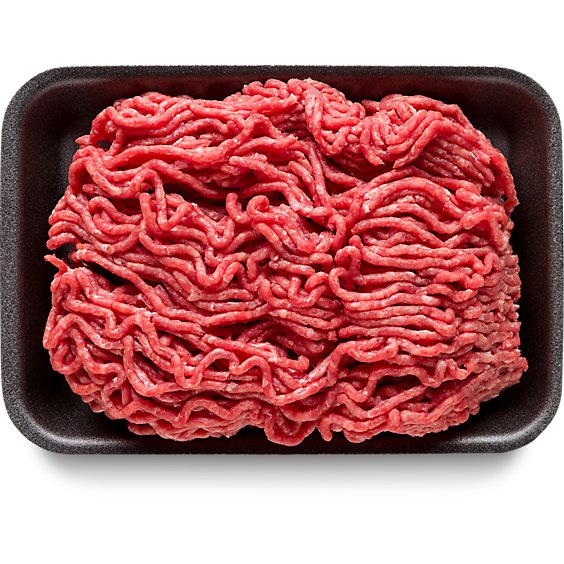
Cook larger quantities intentionally to create planned leftovers. Roast extra chicken for tomorrow's salad, make double rice for fried rice later, or prepare extra ground meat for multiple meals. This reduces daily cooking while providing variety.
Turn leftovers into new meals: roast beef becomes sandwiches, rice becomes fried rice, vegetables become soup
Use slow cookers for tough cuts of meat and hands-off cooking. Pressure cookers reduce cooking time for beans, grains, and stews. Both methods are perfect for working families—start them before work and come home to ready meals.
Prep slow cooker ingredients the night before and store in the refrigerator insert for easy morning assembly
Sometimes dinner needs to be lighter, especially after heavy lunches or when it's hot outside. Salads with protein become substantial dinners - add rotisserie chicken, hard-boiled eggs, or beans. Soup and sandwich combinations provide satisfaction without heaviness. Breakfast foods work perfectly for light dinners: yogurt parfaits, smoothie bowls, or simple egg dishes with toast. These meals feel fresh and light while still providing complete nutrition.
Light doesn't mean unsatisfying - include protein and healthy fats to keep everyone full until morning