Welcome back!
You're currently shopping with your default address:
You're currently using an unsupported browser, which may impact the sites display and prevent key functionality. Update your browser now for greater security, speed, and the best experience on this site. View supported browsers.


Stir fry originated in China during the Han dynasty (206 BCE-220 CE), making it over 2,000 years old. The technique was invented out of necessity - Chinese cooks needed fuel-efficient cooking methods during times when wood and charcoal were scarce. Early woks were initially used for drying grains, but cooks discovered that the curved shape and high heat created perfect conditions for quick cooking. The stir fry method preserved the color, texture, and nutritional value of ingredients while using minimal fuel, making it ideal for Chinese households where resources were limited. This is why stir fry originated as both a practical and flavorful cooking solution.
While no single person invented stir fry, it was developed by Chinese cooks during the Han dynasty as a fuel-efficient cooking method during resource shortages
While stir fry's country of origin is definitively China, the cooking method arrived in America with Chinese immigrants during the 19th century Gold Rush era. Chinese workers brought their culinary traditions to the West Coast, but the technique remained largely within Chinese communities. Interestingly, the English term 'stir-fry' wasn't coined until 1945 when cookbook author Buwei Yang Chao introduced it in 'How to Cook and Eat in Chinese.' This answered the question 'what is stir fry' for American home cooks. The technique gained broader popularity during the post-World War II era as Americans developed interest in international cuisines, with the health food movement of the 1970s further elevating stir-frying as a nutrient-preserving, low-fat cooking method.
The term 'stir-fry' was coined in 1945 to describe the Chinese cooking technique for American audiences, defining it as rapid cooking with constant stirring
Today, stir-frying has become firmly established in American home cooking as a convenient, healthy meal solution. The technique's versatility accommodates busy lifestyles, allowing for quick dinners that incorporate a variety of vegetables and proteins in a single dish. The explosion of interest in global cuisines has led to fusion stir-fry variations incorporating non-Asian ingredients and flavors. Additionally, the focus on reducing food waste has made stir-frying popular for transforming leftovers into new meals. The availability of pre-made stir-fry sauces, vegetable kits, and specialized equipment in mainstream grocery stores reflects how thoroughly this cooking method has been embraced by American households.
The average American household now regularly uses stir-frying techniques, with surveys showing it ranks among the top five most common cooking methods used for weeknight meals
The traditional round-bottomed wok remains the ideal vessel for stir-frying, though modern adaptations make the technique accessible to all home cooks. Carbon steel woks, the standard in professional kitchens, offer excellent heat conduction while developing a natural non-stick patina over time. For American kitchens with electric or flat cooktops, flat-bottomed woks provide the necessary stability while retaining the high, sloped sides essential for proper tossing and heat distribution. Non-stick woks offer convenience for beginners but cannot withstand the high temperatures ideal for authentic stir-frying. Cast iron woks provide exceptional heat retention, though their weight makes the tossing motion more challenging. For those without a wok, a large (12-inch or larger) skillet can substitute, though it lacks the specialized cooking zones created by a wok's curved surface.
For standard American stovetops, a 14-inch flat-bottomed carbon steel wok with a long handle offers the best compromise between authenticity and practicality
Beyond the wok itself, a few specialized tools enhance the stir-frying experience. A wok spatula (sometimes called a wok chuan) features a slightly curved edge designed to conform to the wok's surface, making it ideal for the constant stirring and tossing motion. For those concerned about scratching non-stick surfaces, silicone or wooden spatulas offer viable alternatives. A spider strainer facilitates blanching vegetables before stir-frying and can help remove items from the wok quickly. A splatter guard minimizes cleanup while allowing steam to escape. For those serious about wok cooking, a dedicated wok brush made from bamboo helps maintain the seasoned surface without harsh detergents. These specialized tools are increasingly available in American kitchen supply stores and online retailers, reflecting growing interest in authentic stir-frying techniques.
A pair of long cooking chopsticks can substitute for multiple tools, allowing you to stir, flip, and transfer ingredients with precision while keeping hands safely away from heat
The heart of successful stir-frying lies in generating sufficient heat, an area where American home kitchens often face limitations. Professional Chinese kitchens use specialized wok burners generating 50,000-100,000 BTUs, compared to standard American home gas ranges producing only 10,000-15,000 BTUs. To bridge this gap, outdoor wok burners that connect to propane tanks have gained popularity among enthusiasts, providing 30,000-80,000 BTUs for more authentic results. For indoor cooking on gas ranges, removing the grate and using a wok ring can help focus heat, though this approach requires caution. Electric and induction cooktops present greater challenges for traditional wok cooking, making flat-bottomed woks essential. Regardless of heat source, allowing adequate preheating time and cooking in smaller batches helps compensate for lower maximum temperatures in home kitchens.
On standard American ranges, let your wok preheat for 3-5 minutes until water instantly evaporates on contact to compensate for lower BTU output
Successful stir-frying begins with proper preparation, a concept professional chefs call 'mise en place' (everything in its place). All ingredients should be cut, measured, and arranged in order of use before heating the wok, as the actual cooking process moves too quickly for simultaneous prep work. Proteins should be sliced thinly against the grain for tenderness, ideally 1/8 to 1/4 inch thick. Vegetables should be cut to uniform sizes that allow quick, even cooking—julienned, thinly sliced, or bite-sized pieces work well depending on the vegetable type. The American technique of blanching harder vegetables like broccoli or carrots before stir-frying ensures they cook through without burning. Preparing sauces in advance by mixing all liquid ingredients and cornstarch ensures they can be added at once at the critical final cooking stage.
Pre-cut vegetables from supermarket produce sections or frozen stir-fry mixes can significantly reduce preparation time while still yielding excellent results
Properly prepared proteins form the foundation of many American stir-fry dishes, with several techniques ensuring optimal results. Velveting—coating meat in a mixture of egg white, cornstarch, and rice wine before briefly blanching—creates the supremely tender texture found in restaurant-quality dishes. For a simpler approach, marinating sliced meat with a little cornstarch and soy sauce for 15-30 minutes before cooking improves both flavor and texture. When cooking proteins, searing in small batches prevents overcrowding that would steam rather than fry the meat. Removing partially cooked proteins from the wok before cooking vegetables, then returning them at the end, prevents overcooking while allowing all ingredients to finish simultaneously. For vegetarian options, extra-firm tofu can be pressed to remove excess moisture, then marinated and stir-fried with excellent results.
For weeknight shortcuts, simply coating thinly sliced meat with a tablespoon of cornstarch and a dash of oil mimics the tenderizing effect of traditional velveting with minimal effort
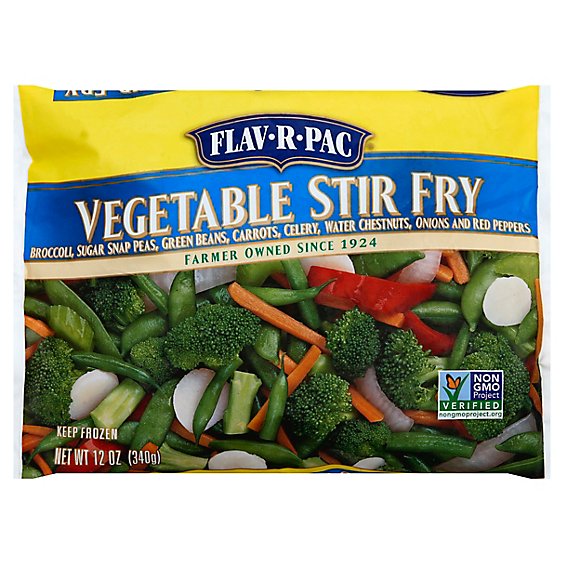
The best vegetables for stir fry are those that cook quickly and maintain their texture under high heat. Top choices include bell peppers (all colors), broccoli florets, snap peas, snow peas, carrots (julienned), bok choy, mushrooms, zucchini, and bean sprouts. These vegetables create the vibrant, crisp-tender results that define great veggie stir fry. The key principle is adding vegetables in order of cooking time—start with dense carrots and broccoli, add bell peppers and snap peas midway, and finish with quick-cooking leafy greens like bok choy. Safeway offers excellent frozen stir fry vegetable mixes that include optimal combinations of these vegetables, pre-cut and ready to cook. For best results with frozen vegetables, cook directly from frozen using slightly lower heat to prevent excess moisture.
Cut all vegetables to similar sizes (about 1-inch pieces) for even cooking, and don't overcrowd the wok - cook in batches if needed
The final critical element in American stir-frying is the sauce, which transforms simple ingredients into cohesive, flavorful dishes. Basic stir-fry sauces balance several elements: salty (soy sauce, oyster sauce), sweet (sugar, honey), sour (vinegar, citrus), and umami (stock, fermented bean pastes). A standard ratio of 3 tablespoons liquid to 1 teaspoon cornstarch creates ideal thickening. Aromatics including garlic, ginger, and green onions form the flavor foundation, typically added early in the cooking process to infuse the oil. For American home cooking, premade stir-fry sauces offer convenience while providing consistent results. The sauce should be added only after all ingredients are nearly cooked, with constant stirring to create even coating. The cornstarch thickens rapidly in the hot wok, yielding a glossy finish that indicates completion—typically 30-60 seconds after adding. The dish should immediately be transferred to serving plates to prevent overcooking from residual heat.
Create a basic all-purpose stir-fry sauce with 1/4 cup chicken broth, 2 tablespoons soy sauce, 1 tablespoon rice vinegar, 1 teaspoon sugar, and 1 teaspoon cornstarch