
Welcome back!
You're currently shopping with your default address:
You're currently using an unsupported browser, which may impact the sites display and prevent key functionality. Update your browser now for greater security, speed, and the best experience on this site. View supported browsers.


Different potato varieties excel in different preparations due to their starch content and texture. Russet potatoes are ideal for mashing and baking due to their high starch content, which creates fluffy, light textures. Yukon Gold potatoes offer a creamy, buttery flavor perfect for gratins and roasting, while their waxy texture holds shape well. Red potatoes work best for roasting and boiling due to their low starch content and firm texture. For holiday sides, plan 1 medium potato per person for mashed potatoes, or 6-8 small potatoes per person for roasted varieties.
High-starch russets create fluffy mashed potatoes, while waxy varieties like red potatoes hold their shape better for roasting
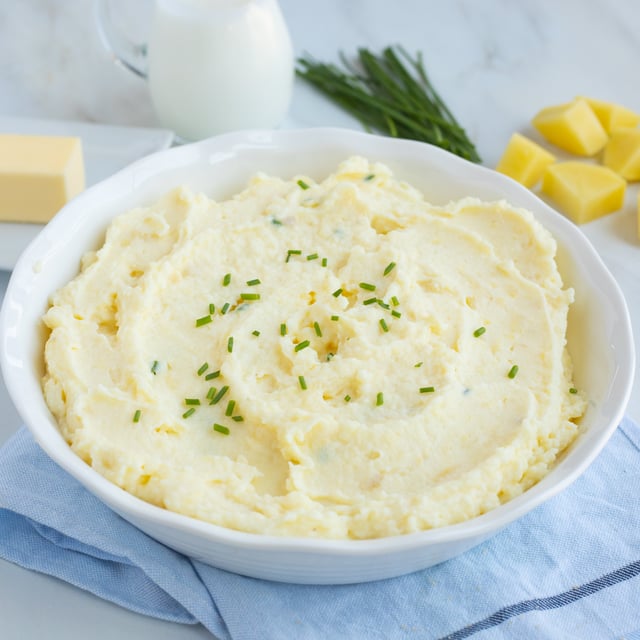
Achieve restaurant-quality mashed potatoes by starting with room temperature dairy ingredients and proper cooking technique. Cut potatoes into uniform pieces and start in cold, salted water for even cooking. Test doneness by piercing with a knife—they should offer no resistance. Drain thoroughly and let steam evaporate before mashing. Use a potato ricer or food mill for the smoothest texture, then fold in warm butter and cream gradually. Season with salt and white pepper, tasting frequently.
Warm dairy ingredients prevent cooling down the potatoes and ensure smooth incorporation without lumps
For perfectly roasted potatoes, cut into uniform pieces and soak in cold water for 30 minutes to remove excess starch. Pat completely dry and toss with oil and seasonings. Roast at 425°F, turning once halfway through for even browning. For gratins, slice potatoes uniformly (⅛-inch thick) using a mandoline for consistent cooking. Layer with cream and cheese, covering tightly with foil for the first two-thirds of baking time to prevent over-browning while ensuring the potatoes cook through completely.
Consistent cuts ensure even cooking—irregular pieces result in some overcooked and some undercooked potatoes
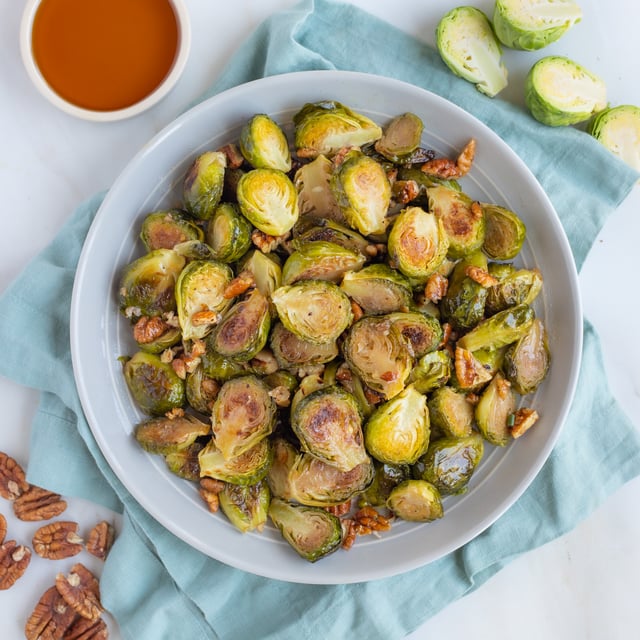
High-temperature roasting (425-450°F) develops deep caramelization and concentrated flavors in vegetables. Cut vegetables into uniform pieces for even cooking—Brussels sprouts should be halved, carrots cut into 1-inch pieces, and cauliflower into similar-sized florets. Toss with olive oil, salt, and pepper, ensuring all surfaces are coated. Don't overcrowd pans, which causes steaming instead of roasting. Use heavy sheet pans and preheat them for extra crispiness. Roast until edges are deeply browned and vegetables are tender when pierced.
High heat and proper spacing create the golden-brown edges that develop complex, sweet flavors in roasted vegetables
Braising combines the benefits of sautéing and steaming for perfectly tender vegetables with concentrated flavors. Start by sautéing aromatics like onions and garlic, add vegetables to brown lightly, then add a small amount of liquid (stock, wine, or water). Cover and simmer until tender. This technique works especially well for heartier vegetables like cabbage, fennel, and root vegetables. The cooking liquid reduces to create a natural glaze that coats the vegetables beautifully.
Use just enough liquid to create steam—too much liquid results in boiled rather than braised vegetables
Not all holiday vegetables need cooking—fresh preparations provide textural contrast and bright flavors that complement rich dishes. Shaved Brussels sprouts make excellent slaws when dressed with lemon vinaigrette. Thinly sliced raw vegetables can be quickly pickled for acidic contrast. Blanching followed by ice baths preserves bright colors and crisp textures while removing raw harshness. These techniques are particularly effective for vegetables that will be added to warm salads or served alongside rich, heavy dishes.
Balance rich, cooked sides with fresh, crisp elements to prevent menu monotony and aid digestion
Maximize oven efficiency by utilizing multiple racks and understanding heat zones. Upper racks run hotter and are ideal for browning and crisping, while lower racks provide gentler, more even heat for longer-cooking items. Rotate dishes between racks halfway through cooking for even results. When cooking multiple dishes simultaneously, group items with similar temperature requirements. Allow 2 inches of space around each pan for proper air circulation, and avoid opening the oven door frequently, which can cause temperature fluctuations.
Place items needing browning on upper racks and longer-cooking casseroles on lower racks for optimal results
When dishes require different temperatures, compromise by choosing a middle temperature and adjusting cooking times. For example, if one dish needs 350°F and another needs 400°F, cook both at 375°F—increase time for the lower-temperature dish and decrease for the higher-temperature dish. Use aluminum foil to protect items from over-browning, and consider using smaller, deeper pans for items that need more time. This strategy allows efficient use of oven space while maintaining food quality.
Most side dishes can tolerate 25°F temperature variation with adjusted cooking times—test doneness rather than relying solely on time
Many holiday sides can be partially or fully prepared in advance, then finished or reheated during the final hour. Casseroles can be assembled 24 hours ahead and baked fresh, while roasted vegetables can be par-cooked and finished with a quick high-heat blast. When reheating, cover dishes to prevent drying and bring to 165°F internal temperature. Use warming drawers or low ovens (200°F) to keep finished dishes warm without overcooking.
Undercook make-ahead items slightly—they'll finish cooking during reheating and maintain better texture
Air fryers excel at creating crispy exteriors on vegetables while maintaining tender interiors, perfect for Brussels sprouts, cauliflower, and potato sides. Reduce traditional oven temperatures by 25°F and cooking times by 20-25% when adapting recipes. Cut vegetables into smaller, uniform pieces for even cooking, and don't overcrowd the basket—cook in batches if necessary. Shake or turn vegetables halfway through cooking for even browning. Air fryers are particularly effective for reheating previously roasted vegetables, restoring their crispy texture.
Cook similar vegetables together and keep warm in a low oven while preparing the next batch for consistent results
Slow cookers free up valuable oven and stovetop space while producing tender, flavorful sides. Root vegetables, winter squash, and hardy greens work particularly well. Layer vegetables by cooking time—harder vegetables on the bottom where heat is most direct, softer ones on top. Use minimal liquid as vegetables release moisture during cooking. For best results, brown aromatics like onions in a pan first, then add to the slow cooker. Finish with fresh herbs, acid, or cream after cooking to brighten flavors.
Use less liquid than traditional recipes call for—vegetables release significant moisture during slow cooking
Pressure cookers dramatically reduce cooking times while developing deep flavors, perfect for last-minute side dish preparation. Root vegetables cook in 3-5 minutes under pressure compared to 45-60 minutes in the oven. Use the sauté function to develop flavors first, then add liquid and pressure cook. Natural release works best for delicate vegetables, while quick release is suitable for heartier items. Finish with a quick sauté to reduce excess liquid and concentrate flavors.
Pressure cooking is very precise—1-2 minutes can make the difference between perfect and overcooked vegetables
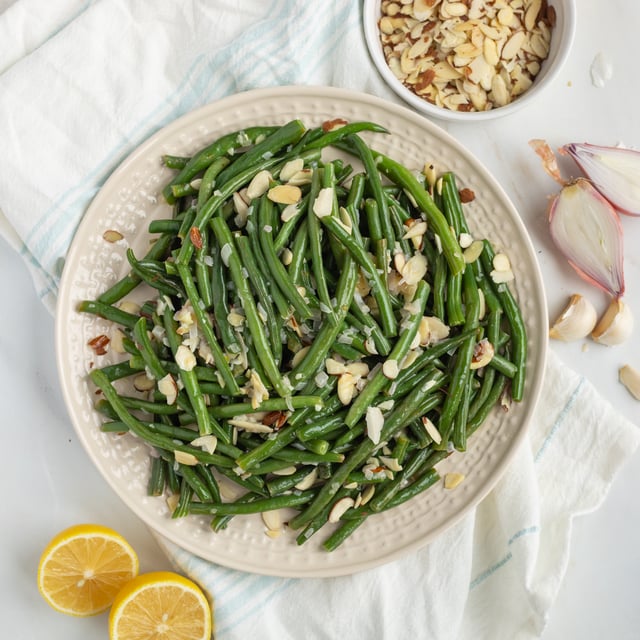
Master elegant vegetable sides that add color, nutrition, and sophistication to any meal. Green Beans Almondine exemplifies the perfect vegetable side - quick cooking, beautiful presentation, and complementary flavors. Use the blanch-and-sauté method: quickly boil vegetables until bright and tender-crisp, then finish in a hot pan with aromatics. This technique works for asparagus, broccoli, carrots, and Brussels sprouts. Finish with butter, herbs, nuts, or citrus for restaurant-quality results.
Ice bath immediately after blanching stops cooking and keeps vegetables bright green
Potatoes are the ultimate comfort side dish that guests remember. Buttermilk Mashed Potatoes offer tangy richness that cuts through heavy main dishes. For best results, use Yukon Gold potatoes for natural creaminess, and add warm liquids gradually to control texture. Scalloped potatoes can be assembled a day ahead and baked when needed. Consider offering two potato preparations - one rich and creamy, one lighter like roasted fingerlings with herbs.
Prepare mashed potatoes day before, reheat gently with extra cream and butter
Homemade condiments like Cranberry Sauce with Apple elevate meals beyond ordinary. These bright, acidic elements cut through rich foods and cleanse the palate. Make cranberry sauce 2-3 days ahead for flavors to meld. Consider other homemade condiments: herb butter, flavored oils, chutneys, or pickled vegetables. These small touches show care and provide flavor contrasts that make meals memorable.
Include something acidic (cranberries), something rich (potatoes), something fresh (green vegetables)
Successfully serving multiple hot sides requires strategic planning and equipment management. Start with dishes that hold well or can be made ahead, like mashed potatoes or cranberry sauce. Use your oven efficiently by choosing sides that cook at similar temperatures. Invest in warming trays or slow cookers set on 'warm' to hold finished dishes. Assign final tasks to willing helpers - stirring, garnishing, or transferring to serving dishes. Cook green vegetables last, as they lose color and texture quickly.
Use every heat source: oven, stovetop, slow cooker, and warming drawers for maximum efficiency