Welcome back!
You're currently shopping with your default address:
You're currently using an unsupported browser, which may impact the sites display and prevent key functionality. Update your browser now for greater security, speed, and the best experience on this site. View supported browsers.


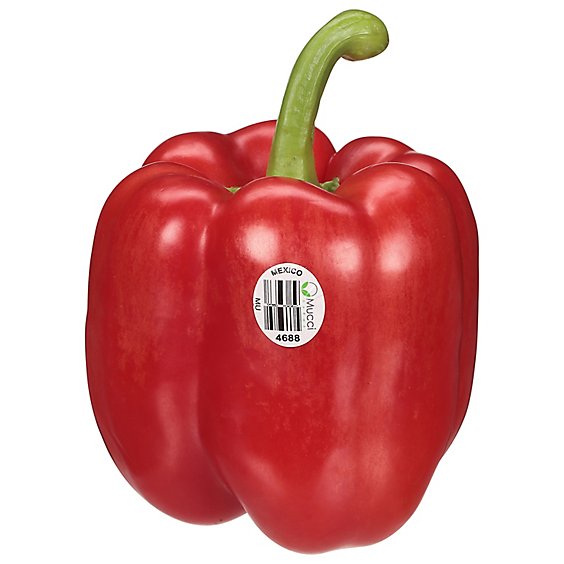
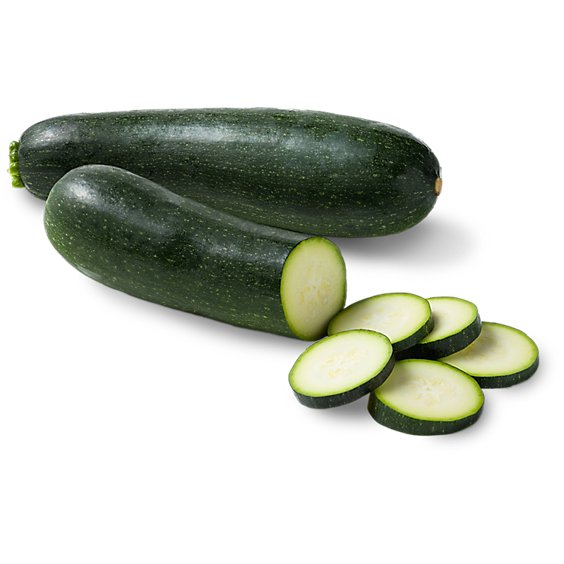
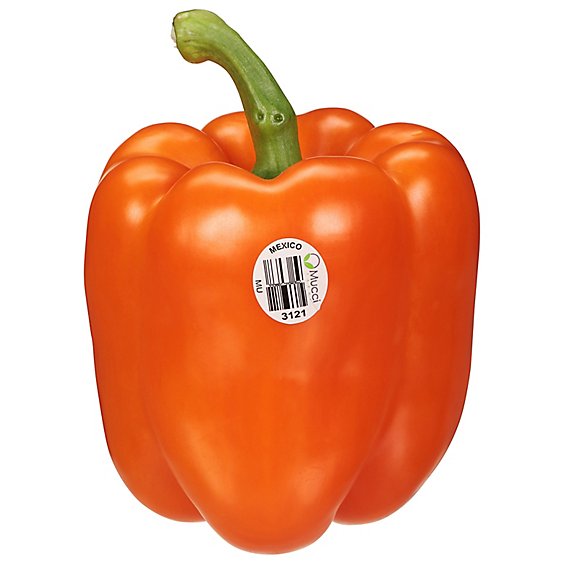
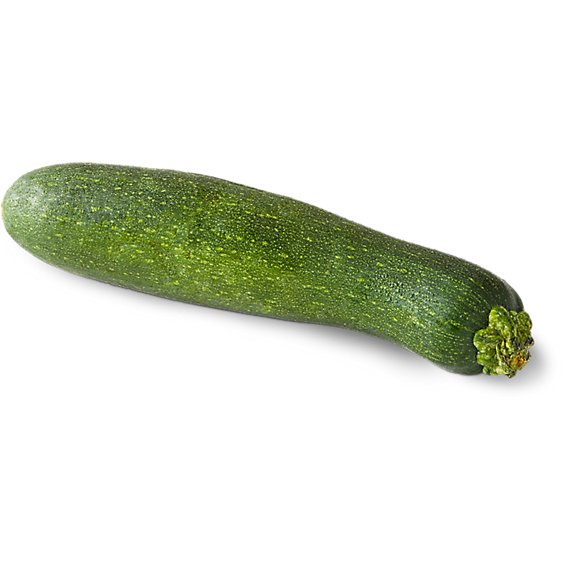
The key to successful vegetable grilling starts with selecting the right vegetables. Bell peppers are ideal for beginners—they're forgiving, sweet, and hold their shape beautifully. Zucchini and yellow squash cook quickly (6-8 minutes) with mild flavor perfect for summer grilling. Corn on the cob is the ultimate grilling vegetable, taking 10-15 minutes and developing amazing caramelized sweetness. Eggplant becomes incredibly tender and absorbs marinades well. Mushrooms provide meaty texture and umami flavor. For kabobs, choose firm vegetables like bell peppers, zucchini, mushrooms, and cherry tomatoes that won't fall apart on skewers.
Start with bell peppers, zucchini, and corn—they're forgiving and cook evenly with great results every time
Proper preparation is crucial for perfectly grilled vegetables. Wash and thoroughly dry all vegetables—excess moisture prevents proper browning. Cut vegetables uniformly for even cooking: bell peppers in strips, zucchini in 1/2-inch rounds, eggplant in 3/4-inch slices. Brush or toss generously with olive oil—this prevents sticking and helps seasonings adhere. Season with salt and pepper at minimum, or try garlic powder, herbs, or your favorite spice blend. For deeper flavor, marinate vegetables 15-30 minutes before grilling.
Don't skip the oil coating—it's essential for preventing sticking and achieving those beautiful grill marks
For gas grills, preheat to medium or medium-high heat (350-400°F). Gas grills offer consistent temperature control, making them ideal for vegetable grilling beginners. For charcoal grills, arrange coals for medium heat with even distribution—charcoal adds amazing smoky flavor to vegetables. Always clean grates thoroughly with a grill brush and oil them lightly. Consider using a grill basket for small vegetables like cherry tomatoes or broccoli florets to prevent them from falling through the grates.
Medium heat is perfect for most vegetables—too hot and they'll char outside while staying raw inside
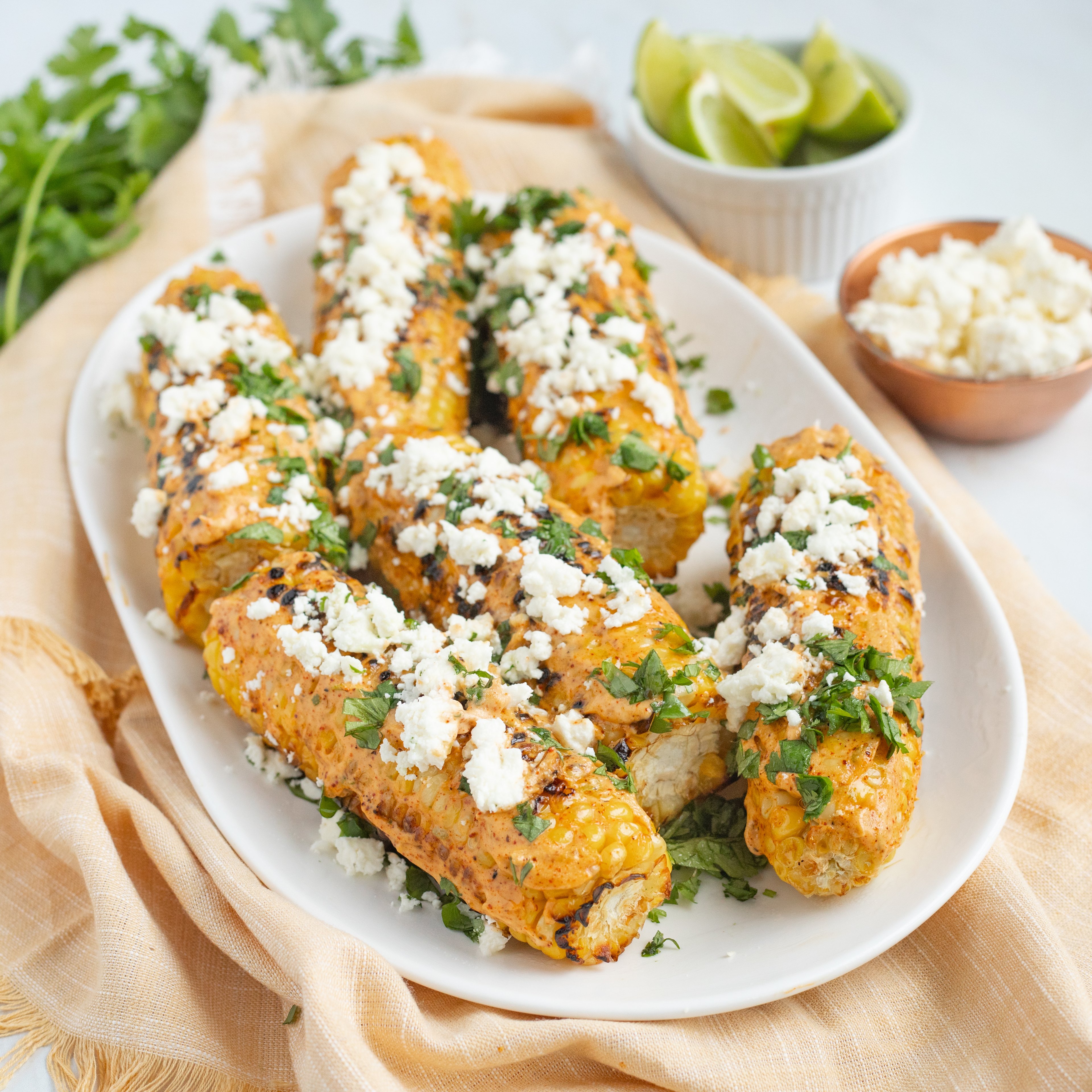
Corn is the most popular grilled vegetable, and mastering it is essential. For the best way to grill corn, start with fresh ears with bright green husks. You can grill corn with husks on (soak 15 minutes first) or husks removed for direct char. Brush husked corn with oil and seasonings. Grill for 10-15 minutes total, turning every 3-4 minutes for even cooking. Look for slight charring and tender kernels that give slightly when pressed. The kernels should be bright yellow and caramelized in spots.
For extra flavor, brush corn with butter mixed with herbs, garlic, or spices during the last few minutes of grilling
Timing is critical for perfectly grilled vegetables. Quick-cooking vegetables like asparagus take 5-7 minutes, zucchini and bell peppers need 6-12 minutes, while denser vegetables like eggplant require 8-10 minutes. Corn takes 10-15 minutes with frequent turning. Cherry tomatoes cook in just 4-6 minutes. Start with vegetables that take longest to cook, then add quicker-cooking varieties so everything finishes together. Use a timer and check vegetables frequently during the last few minutes to prevent overcooking.
Start dense vegetables first, add medium-cooking vegetables halfway through, finish with quick-cooking ones
A grill basket is perfect for small vegetables that might fall through grates. It's ideal for broccoli florets, cherry tomatoes, chopped onions, and mixed vegetable medleys. Preheat the grill basket on medium heat (325-375°F), oil it lightly, then add prepared vegetables in a single layer. Don't overcrowd—vegetables need space for heat circulation. Shake or stir vegetables every 3-4 minutes for even cooking. Grill baskets make it easy to cook vegetables on gas or charcoal grills without losing pieces.
Oil the basket well and don't overcrowd—vegetables should be in a single layer for best results
Knowing when vegetables are perfectly done takes practice. They should be tender when pierced with a fork but still hold their shape—not mushy. Look for attractive grill marks and slight charring on edges for optimal flavor. Each vegetable has specific visual cues: corn kernels should be bright and slightly caramelized, bell peppers should be tender with charred skin, zucchini should have grill marks but still be firm. Remove vegetables when just tender as they continue cooking slightly after removal.
Perfect grilled vegetables have attractive char marks, tender texture, and bright colors—avoid gray, mushy results
Choose vegetables that hold their shape and cook evenly on skewers. Bell peppers are perfect—they're firm, colorful, and sweet. Zucchini and yellow squash work excellently when cut into thick rounds. Cherry tomatoes add color and pop of flavor. Mushrooms provide meaty texture and absorb marinades well. Red onions become sweet and tender when grilled. Avoid very soft vegetables like regular tomatoes that might fall apart. Cut all vegetables into similar sizes (about 1-inch pieces) for even cooking.
Cut vegetables into 1-inch pieces and group similar-sized vegetables together on skewers for even cooking
Marinades add incredible flavor to vegetable kabobs. Basic marinade: 1/4 cup olive oil, 2 tbsp vinegar or lemon juice, minced garlic, salt, pepper, and herbs. Mediterranean blend: olive oil, lemon juice, oregano, basil, and garlic. Asian-inspired: sesame oil, soy sauce, ginger, and garlic. Marinate vegetables 15-30 minutes—longer can make them mushy. Brush with extra marinade while grilling for enhanced flavor. Reserve some clean marinade for basting during cooking.
Never use marinade that touched raw vegetables for basting—always reserve clean marinade separately
Soak wooden skewers in water for 30 minutes before use to prevent burning. Thread vegetables loosely—leave small gaps for heat circulation. Alternate colors and textures for visual appeal. Brush assembled kabobs with oil or marinade. Grill over medium heat (350-375°F), turning every 3-4 minutes. Total cooking time is usually 10-15 minutes depending on vegetable density. Test doneness by piercing with a fork—vegetables should be tender but still hold their shape.
Don't pack vegetables tightly on skewers—small gaps allow heat to circulate and cook evenly
Great marinades transform simple grilled vegetables into restaurant-quality dishes. Basic all-purpose marinade: 1/3 cup olive oil, 3 tbsp balsamic vinegar, 2 cloves minced garlic, 1 tsp salt, 1/2 tsp pepper, and fresh herbs. Italian blend: olive oil, red wine vinegar, oregano, basil, garlic, and parmesan. Asian fusion: sesame oil, rice vinegar, soy sauce, ginger, and garlic. Herb oil: olive oil, lemon juice, fresh herbs (rosemary, thyme, parsley), and garlic. Marinate 15-30 minutes for optimal flavor absorption.
15-30 minutes is perfect for vegetables—longer marinating can break down cell walls and create mushy texture
Dry seasonings create amazing flavor crusts on grilled vegetables. Mediterranean blend: dried oregano, basil, garlic powder, salt, and pepper. BBQ blend: paprika, garlic powder, onion powder, brown sugar, salt, and pepper. Mexican blend: chili powder, cumin, paprika, garlic powder, and lime zest. Apply seasonings after oiling vegetables for better adherence. For extra flavor, finish grilled vegetables with flaky sea salt, fresh herbs, or a drizzle of good olive oil.
Oil vegetables first, then apply seasonings—the oil helps spices stick and prevents burning
When outdoor grilling isn't possible, you can still achieve great results indoors. Use a grill pan on the stovetop over medium-high heat—it creates attractive grill marks and allows fat to drain. Cast iron skillet works well for a seared effect. Broiler method: place vegetables on a broiler pan 4-6 inches from heat, turning once. Indoor electric grills like George Foreman work for quick cooking. While you won't get smoky flavor, these methods still create delicious caramelized vegetables with good texture.
Preheat grill pan thoroughly and don't overcrowd—work in batches for best searing and grill marks