Welcome back!
You're currently shopping with your default address:
You're currently using an unsupported browser, which may impact the sites display and prevent key functionality. Update your browser now for greater security, speed, and the best experience on this site. View supported browsers.


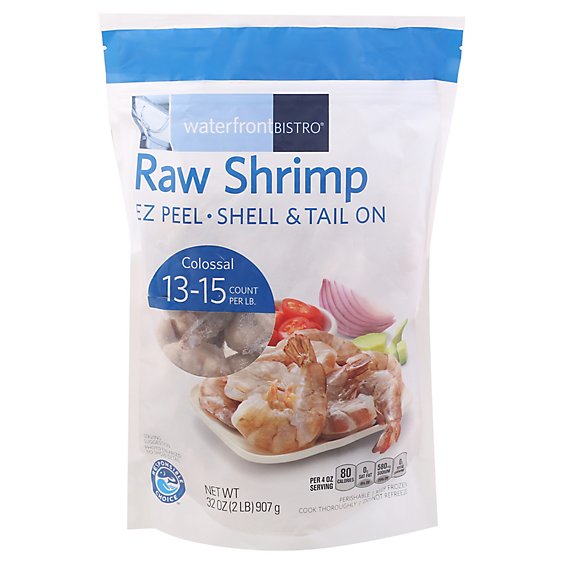
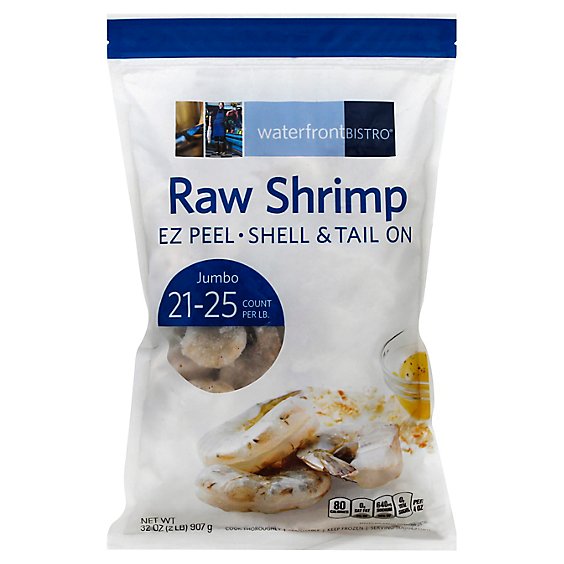
Select the right shrimp size for your grilling needs. Large shrimp (16-20 count) are best for beginners as they won't fall through grates and cook more evenly to safe temperatures. Extra large (13-15 count) offer premium meaty texture perfect for skewers. Jumbo shrimp (10-12 count) provide show-stopping presentation ideal for entertaining. Medium shrimp (21-25 count) are budget-friendly but require careful monitoring to reach safe temperature. Choose shrimp that smell like the ocean, not fishy, with firm texture and translucent appearance.
Larger shrimp are more forgiving and reach safe temperatures more evenly—choose 16 count or bigger for best results
Proper preparation ensures safe and perfect results. Thaw frozen shrimp in cold water for 15-20 minutes. Peel shells, leaving tails on for presentation if desired. Devein by making a shallow cut along the back and removing the dark vein. Pat completely dry with paper towels to ensure proper searing. Season generously or marinate for 15-30 minutes—shrimp absorb flavors quickly but don't require long marinating times.
Excess moisture prevents proper searing and makes temperature monitoring difficult—always pat shrimp completely dry
Shrimp require medium-high heat for safe cooking to 145°F internal temperature. Preheat gas grills to 400-450°F or create medium-hot, even coals for charcoal grills. Clean grates thoroughly with a grill brush and oil generously to prevent sticking. Consider using a grill basket or skewers for easier handling, especially with smaller shrimp. Have meat thermometer ready—it's essential for food safety verification.
Use a meat thermometer to verify 145°F internal temperature—visual cues alone are insufficient for food safety

Place shrimp directly on hot, oiled grates and cook 3-4 minutes per side without moving initially. Look for pink color development and slight char marks before flipping. Use tongs or spatula to flip once. Check internal temperature with meat thermometer—shrimp must reach 145°F for food safety. Cooking time varies by size: 5-10 minutes total depending on thickness. Don't rely solely on visual cues for doneness.
Always verify 145°F internal temperature with thermometer—undercooked seafood poses serious health risks
Safely cooked shrimp reach 145°F internal temperature and are pink and opaque throughout with a slight curve (C-shape). Use a meat thermometer inserted into the thickest part for accurate reading. Visual cues support but don't replace temperature checking: properly cooked shrimp are firm but tender, not tough or translucent. Overcooked shrimp curl tightly and become rubbery.
Food safety requires 145°F internal temperature—use meat thermometer for accurate verification every time
Remove shrimp from grill once they reach 145°F and serve right away while hot. Unlike chicken, shrimp don't benefit from resting and are best enjoyed immediately while the exterior retains slight crispiness from grilling. Shrimp continue cooking from residual heat, so prompt serving prevents overcooking. Arrange on platters with lemon wedges, cocktail sauce, or your favorite accompaniments.
Serve immediately after reaching safe temperature—shrimp continue cooking from residual heat
Master different methods for easier shrimp handling while ensuring food safety. Thread shrimp onto skewers through both head and tail ends to prevent spinning. Soak wooden skewers in water for 30 minutes before use. Grill baskets work well for smaller shrimp or when cooking large quantities—they also make temperature checking easier. Leave space between shrimp for even heat circulation. For butterfly presentation, cut deeper along the back and open flat—reduces cooking time and helps reach safe temperature faster.
Uniform sizing and spacing ensures all shrimp reach 145°F internal temperature simultaneously
Enhance shrimp flavor while maintaining food safety. Citrus-based marinades (lime, lemon) add brightness in just 15-30 minutes. Garlic, herbs, and spices penetrate quickly. Avoid long marinating—acid can begin to 'cook' shrimp if left too long, affecting texture and making temperature monitoring difficult. Classic combinations include garlic-herb butter, Cajun spice blends, teriyaki glaze, or simple salt, pepper, and olive oil. Apply glazes in final 2 minutes to prevent burning and allow proper temperature verification.
Marinate safely refrigerated and discard used marinades—never reuse marinades that contacted raw seafood