Welcome back!
You're currently shopping with your default address:
You're currently using an unsupported browser, which may impact the sites display and prevent key functionality. Update your browser now for greater security, speed, and the best experience on this site. View supported browsers.


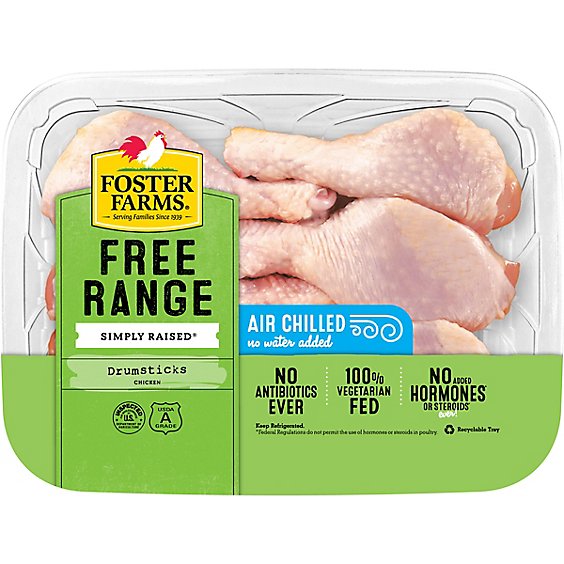
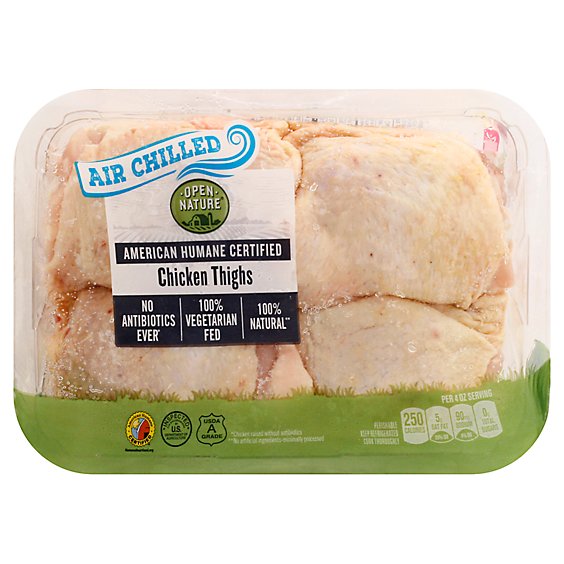
Select the right chicken cut for your grilling needs. Bone-in thighs are the most forgiving option, staying juicy with rich flavor even if slightly overcooked. Bone-in breasts offer classic lean protein with mild flavor but require careful temperature monitoring. Drumsticks are budget-friendly and kid-friendly finger food. Wings cook quickly and are perfect for appetizers. Spatchcocked whole chicken provides impressive presentation with even cooking. Choose pieces with pink color and no off odors for best results.
Dark meat (thighs, drumsticks) is more forgiving than white meat and less likely to dry out during grilling
Proper preparation starts 30 minutes before grilling. Remove chicken from refrigerator and let come to room temperature for even cooking. Pat completely dry with paper towels to ensure crispy skin. Remove excess fat and loose skin that could cause flare-ups. Season generously with salt, pepper, and desired spices, or marinate 2-24 hours ahead for deeper flavor penetration.
Wet chicken steams instead of grilling properly—always pat completely dry for crispy, golden skin
For gas grills, create two zones with medium-high heat (400°F) for initial searing and medium heat (350°F) for cooking through. For charcoal grills, arrange coals on one side for two-zone cooking. Clean grates thoroughly with a grill brush and oil lightly. Chicken needs gentler heat than steak to cook evenly without burning the exterior before the interior reaches safe temperature.
Chicken needs moderate temperatures—too hot and the outside burns before the inside cooks through safely
Start skin-side down on medium-high heat and let skin crisp for 5-7 minutes without moving. The chicken will release naturally from grates when ready to flip. Use tongs to flip and move to cooler zone for thorough cooking. Cook through on medium heat, flipping occasionally for even browning. Finish skin-side down for final crisping if desired.
Never press down on chicken pieces—this squeezes out juices and causes dangerous flare-ups from dripping fat
Use an instant-read thermometer inserted into the thickest part, avoiding bone, for most accurate results. Breast meat is perfectly cooked at 165°F, while dark meat can go to 175°F for optimal texture. Juices should run clear when pierced with a knife. Visual cues include firm texture and no pink color near the bone.
Dark meat benefits from slightly higher temperatures (175°F) for best texture, while white meat is perfect at 165°F
Remove chicken from grill and place on cutting board. Tent loosely with aluminum foil and let rest 5 minutes. This allows juices to redistribute throughout the meat, ensuring every bite is moist and flavorful. Resting also allows the internal temperature to stabilize, making carving easier and safer.
Resting prevents juices from running out when you cut into the chicken, keeping it moist and delicious
Master the two-zone technique for perfectly cooked chicken every time. Create a medium-high zone for initial searing and crisping skin, and a medium zone for gentle cooking through. Start chicken skin-side down over direct heat to crisp the skin, then move to indirect heat to finish cooking without burning. This method prevents the common problem of burnt exteriors with undercooked interiors, especially important for bone-in pieces.
Use the cooler zone as your cooking area—the hot zone is mainly for skin crisping and quick searing
Elevate your grilled chicken with marinades, rubs, and finishing techniques. Acid-based marinades (citrus, vinegar) tenderize while adding flavor—marinate 2-4 hours for best results. Dry rubs applied 30 minutes before cooking create flavorful bark. Finish with herb butter, BBQ sauce (added in final minutes to prevent burning), or fresh herb garnishes. Brining chicken for 2-4 hours in salt water ensures extra juicy results.
Add sugary BBQ sauces only in the final 5-10 minutes of cooking to prevent burning while still achieving caramelization