
At our stores, prime rib is sold in the meat department as a beef rib roast, labeled as a standing rib roast with the bones on or a ribeye roast without them. Buy about one rib for every two people, salt it uncovered in the fridge a day ahead, and roast it until the center reads 120 to 125°F for medium-rare before resting it.
If you would rather not cook, order our fully cooked Prime Rib Holiday Dinner at least 72 hours ahead. Because availability and holiday dinners vary by location, please check with your local store.
Quick reference
| How much to buy | About 1 lb bone-in or ¾ lb boneless per person; one rib feeds two |
|---|---|
| Medium-rare | Pull at 120-125°F; about 130-135°F after resting |
| Rare / medium / medium-well | Pull at 115-120°F / 130-135°F / 140-145°F |
| USDA safe minimum | 145°F in the center, then rest at least 3 minutes |
| Classic method | 450°F for 15-20 min, then 325°F, about 13-15 min per lb (2-4 ribs) |
| 3-4 ribs (6-9 lb) | About 1¾ to 2¼ hours, classic method |
| Reverse sear | 225-250°F to about 120°F, rest, then 500°F for 8-12 minutes |
| Rest before carving | 20-30 minutes, loosely tented with foil |
| Thawing | In the fridge, about 24 hours per 4-5 lb |
| Ready-to-heat dinner | Order at least 72 hours ahead; 2-3 hours to heat |
What to Look For When You Buy Prime Rib
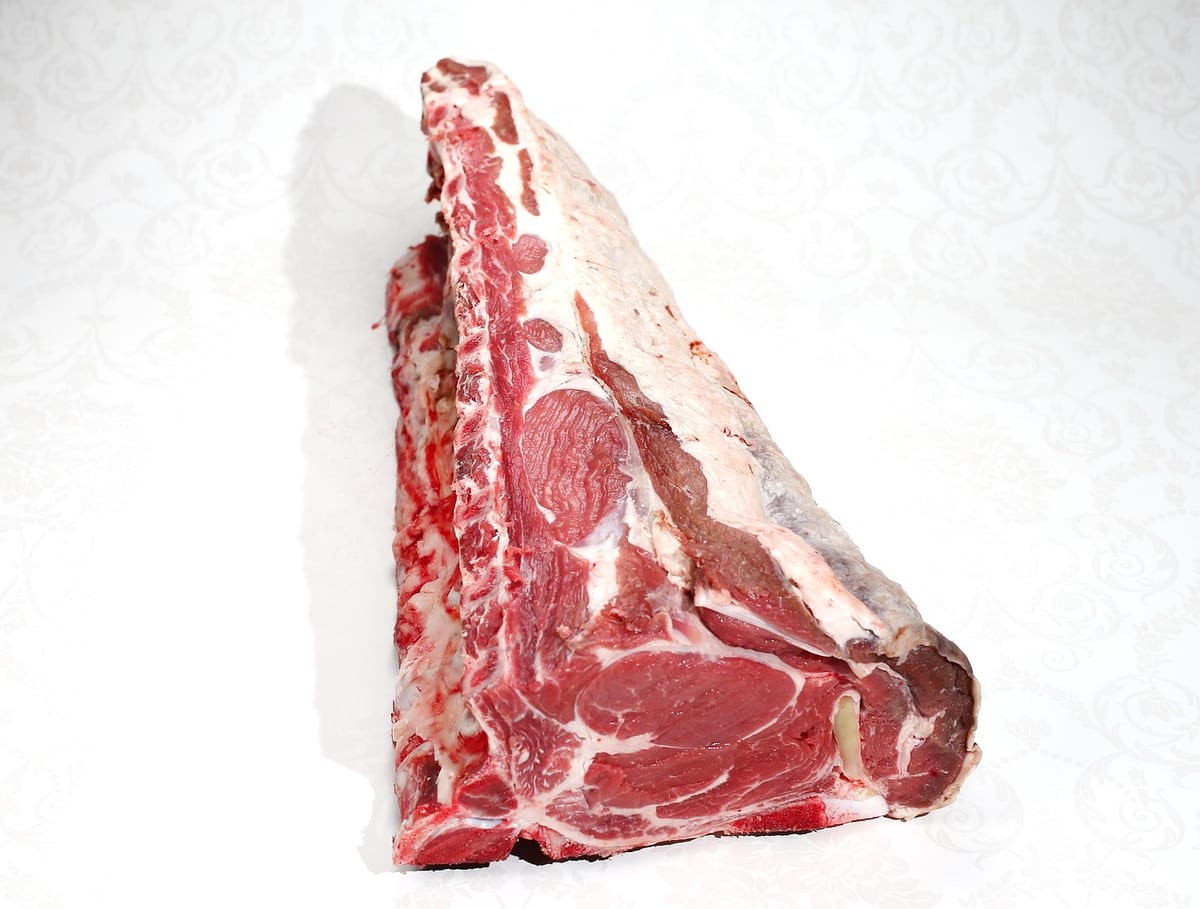
When you shop at our meat counter, look for a package labeled beef rib roast, standing rib roast, or ribeye roast rather than "prime rib." Prime rib is a beef rib roast cut from the same part of the steer as ribeye steaks. A standing rib roast has the rib bones attached, while a ribeye roast, also called a boneless rib roast, is the same meat without the bones.
The word "prime" in prime rib is the dish's name, not the USDA grade. Look for the grade on a separate line of the label: Prime, Choice, or Select. Most supermarket rib roasts are Choice, which makes a very good prime rib. Prime grade has the most marbling and costs more, while Select is leaner, so keep it at medium-rare or below.
Look for even white flecks of fat through bright red meat and a firm layer of fat on top. The loin end (the small end) has a neater eye of meat, while the shoulder end (the large end) has more fat and a thicker ribeye cap. Rib roasts are easiest to find in the weeks before Thanksgiving, Christmas, and New Year's; the rest of the year, ask the meat department at your store. Please check with your local store.
How Much Prime Rib to Buy
For a bone-in roast, plan on about 1 lb per person, or one rib for every two people. A 3-rib roast weighs 6 to 8 lb and serves 6 to 8. It looks traditional on the platter, and the bones keep the bottom from cooking too fast, though you pay for the bone weight.
For a boneless roast, plan on ¾ lb per person for a full portion, or ½ lb when there are lots of sides or children at the table. A 4 lb boneless roast serves about 5, or up to 8 with plenty of sides. It cooks more evenly, carves straight through, and is the easier choice for a first prime rib.
Add a pound or two if you want beef for sandwiches the next day. For the look of bone-in with the carving of boneless, ask the meat department at your store whether they can cut the bones off and tie them back on, and call ahead in holiday weeks. Please check with your local store.
Ordering Ahead or Buying a Ready-to-Heat Prime Rib Dinner
You can talk with the meat department at your store a few days early about a raw rib roast, or order our fully cooked Prime Rib Holiday Dinner online to heat at home.
A raw roast to cook yourself
Ask the meat department at your store a few days ahead whether they can cut a roast to size or set one aside for you, especially in the busy stretch before Christmas and New Year's. Because stock varies by location, please check with your local store.
Prime Rib Holiday Dinner, ready to heat
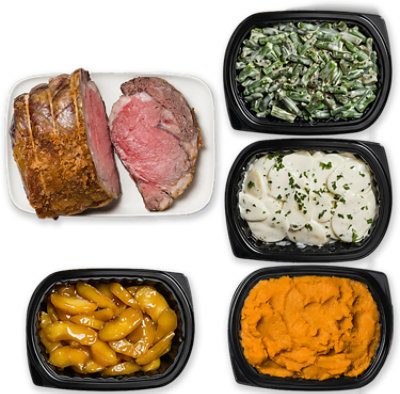
Our Prime Rib Holiday Dinner includes a fully cooked 3 to 4 lb prime rib roast with scalloped potatoes, green bean casserole, mashed sweet potatoes, and spiced apples, and it serves 4 to 6 people. Order on our website or app at least 72 hours before pickup or delivery. Allow 2 to 3 hours to heat it to 165°F on a thermometer. Whether it is offered for Christmas and New Year's, and order dates, vary by store, so please check with your local store.
Getting the Roast Ready
If the roast is frozen, thaw it in the fridge, allowing about 24 hours per 4 to 5 lb (two days for a 3-rib roast). Cook it within 3 to 5 days of thawing, counting the days it sits salted.
Salt the roast 1 to 2 days ahead using about 1 teaspoon of Diamond Crystal kosher salt per pound, or ½ to ¾ teaspoon of denser Morton kosher salt per pound. Leave it uncovered on a rack over a tray on the bottom shelf of the fridge, away from ready-to-eat food, so the salt seasons the meat inside and dries the surface for browning. If you are short on time, salt it right before roasting; salting just a few hours ahead without an overnight rest leaves the outside wet.
Add black pepper, garlic, and herbs on roasting day, and tie a boneless roast with kitchen twine every inch or two. An hour on the counter barely warms the center, so use that window to pat the roast dry, and never leave raw beef out longer than 2 hours. Use a meat thermometer rather than relying on time alone; a leave-in probe lets you watch the temperature without opening the oven.


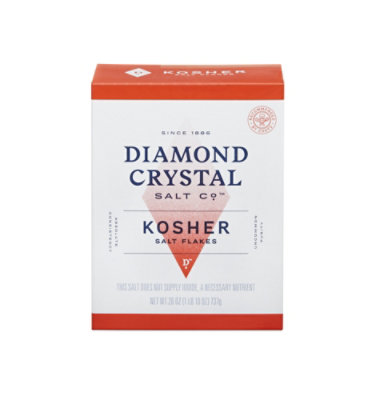
Ingredients Salt
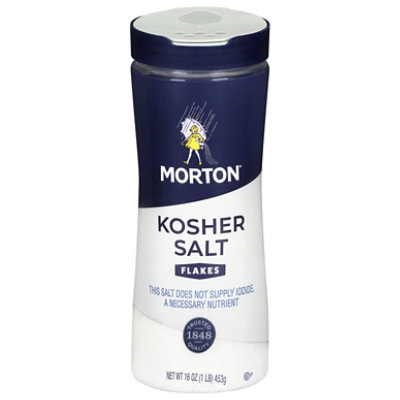
Ingredients Salt, Yellow Prussiate of Soda (Anticaking Agent).

Ingredients Kosher Salt.
Prime Rib Temperatures From Rare to Medium-Well
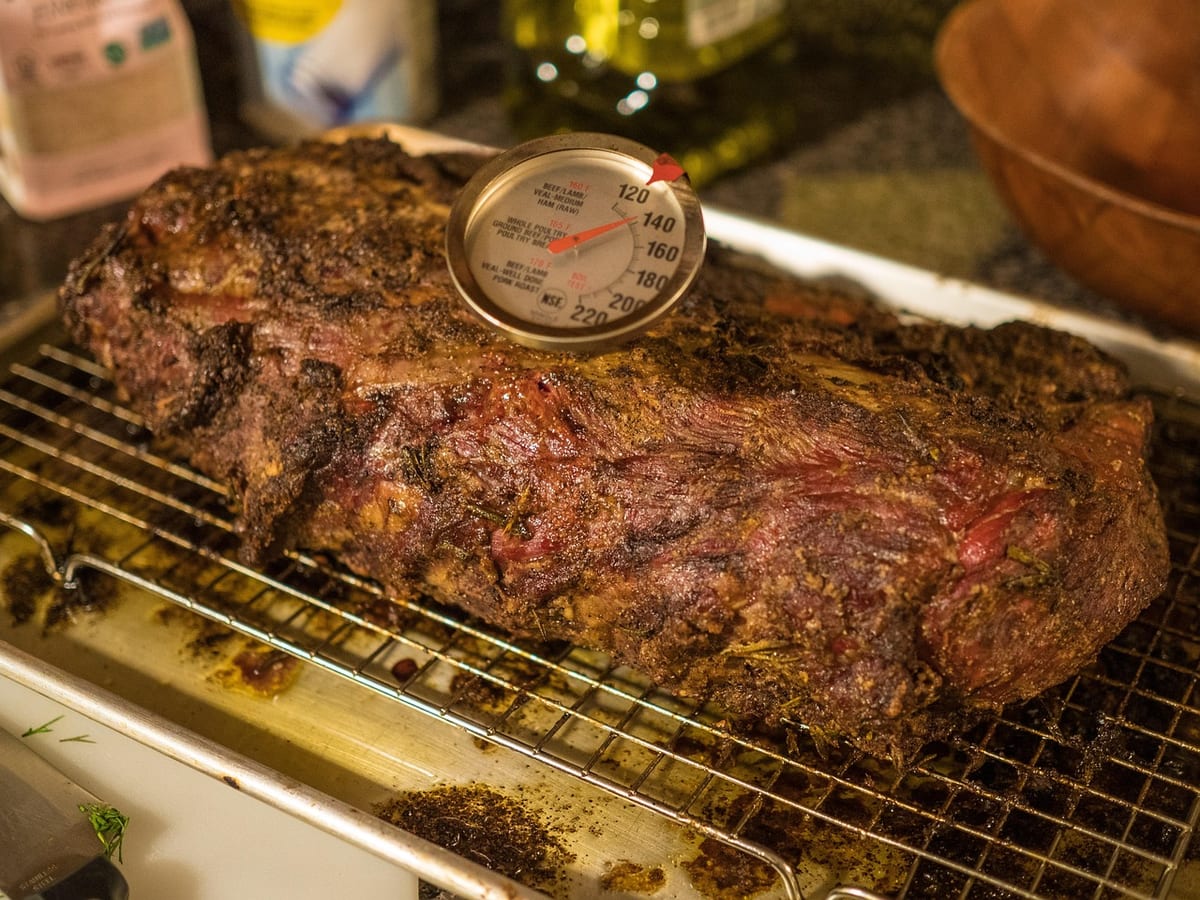
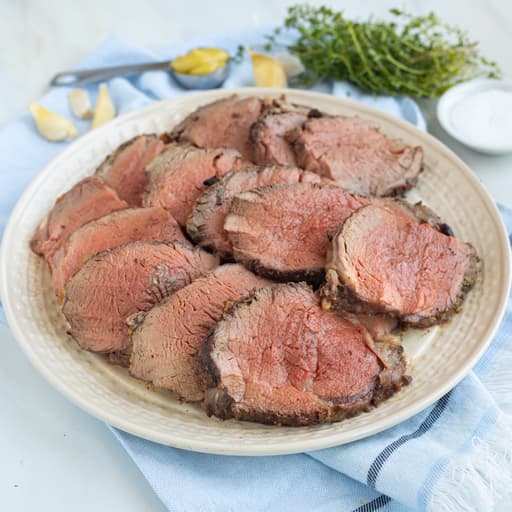
For medium-rare prime rib, take the roast out of the oven at 120 to 125°F, because carryover heat brings it up to about 130 to 135°F as it rests. Push your thermometer into the thickest part of the center without touching bone or fat, and start checking 45 minutes before you expect the roast to finish.
With the classic roasting method, pull a rare roast at 115 to 120°F so it rests to about 125°F; pull a medium roast at 130 to 135°F so it reaches about 140°F; and pull a medium-well roast at 140 to 145°F for about 150°F after resting. After a reverse sear, the roast rises only a few degrees during the rest rather than 5 to 10°F.
The USDA safe minimum for beef roasts is 145°F in the center plus a 3-minute rest, which is medium to medium-well. Chefs pull it rarer, as above, but if you are cooking for anyone who is pregnant, older, very young, or has a weakened immune system, cook it to 145°F. Also cook the roast to at least 145°F with a 3-minute rest if the label says mechanically tenderized, blade tenderized, or injected, since surface bacteria may have been pushed inside.
How to Roast Prime Rib the Classic Way
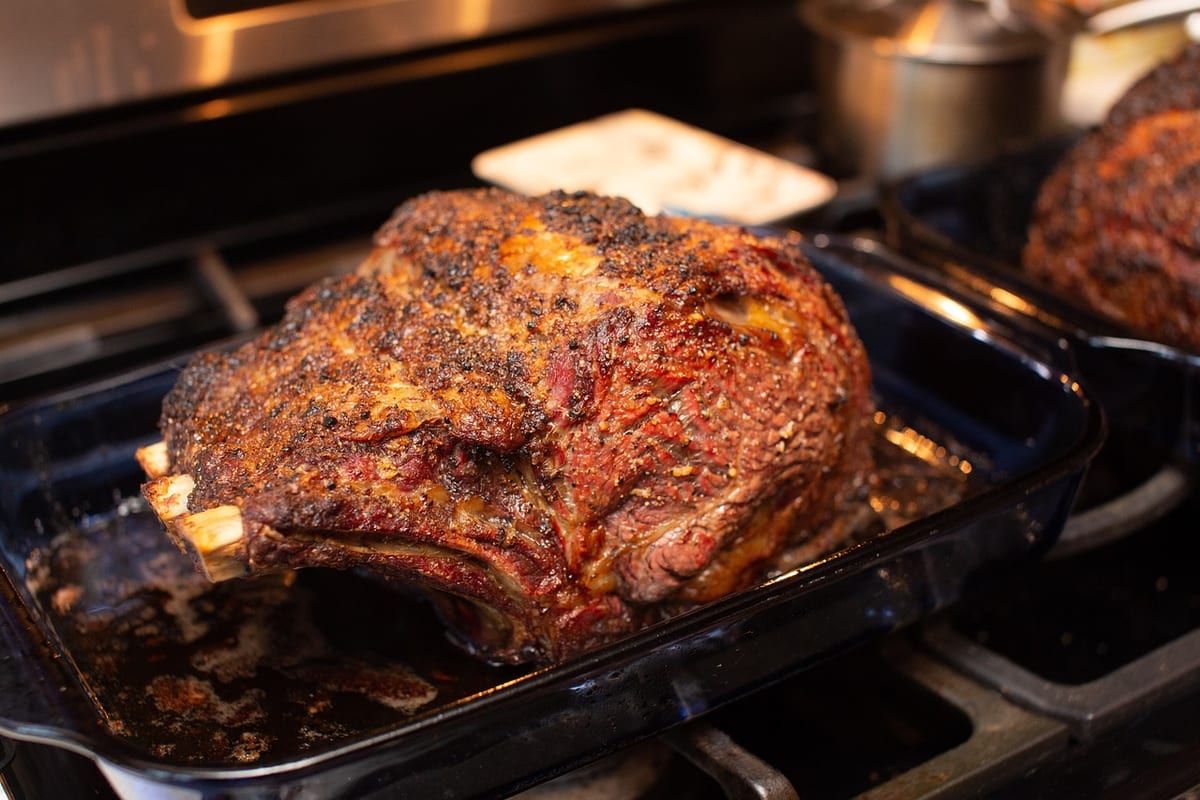
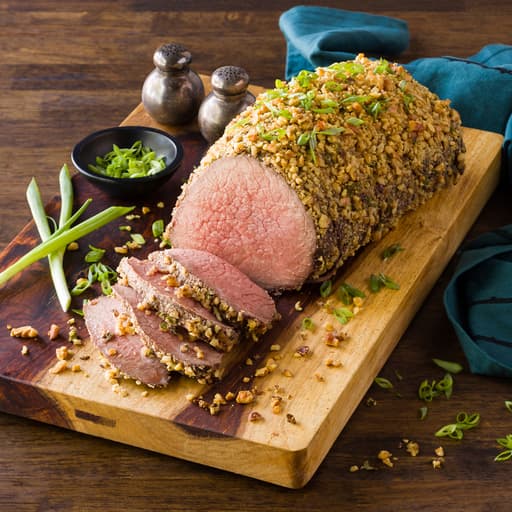
To roast prime rib the classic way, sear it at 450°F for 15 to 20 minutes, lower the oven to 325°F for about 13 to 15 minutes per pound until the center reads 120 to 125°F, and rest it before slicing across the grain. Heat the oven to 450°F with a rack in the lower third, pat the roast dry, rub it with oil, pepper, and herbs (as in our Herb Crusted Beef Rib Roast or Peppered Ribeye Roast with Roasted Garlic Sauce), and set it uncovered in the pan fat side up, bones down.
Roast for 15 to 20 minutes at 450°F, then turn the oven down to 325°F without opening the door. Roast uncovered to 120 to 125°F for medium-rare, which takes about 13 to 15 minutes per pound for a 2- to 4-rib roast, while bigger roasts take fewer minutes per pound and boneless roasts take a little less. Plan on 1¼ to 1½ hours total for 2 ribs (4 to 5 lb), 1¾ to 2¼ hours for 3 to 4 ribs (6 to 9 lb), and 2¼ to 3 hours for 5 to 7 ribs (10 to 16 lb).
Aim for the roast to come out 30 to 45 minutes before dinner so the oven is free for sides, and rest it 20 to 30 minutes under loose foil before carving. To carve a bone-in roast, cut along the bones to take them off in one piece, lay the meat cut side down, and slice across the grain ½ to ¾ inch thick, or cut thick slices with a bone each; for boneless, snip the twine and slice across the grain.


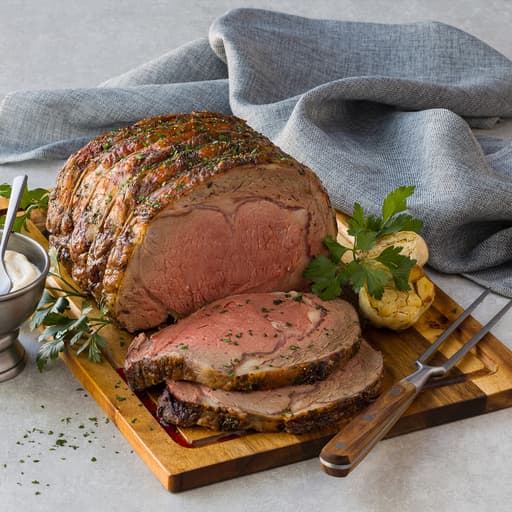


How to Reverse-Sear Prime Rib
A reverse sear gives beef that is pink almost to the edge and more forgiving timing, though it needs the oven for longer.
Roast the beef on a rack at 225 to 250°F until the center reads about 120°F for medium-rare, or 115°F for rare. That takes 2½ to 4½ hours depending on the size of the roast; home ovens drift at low settings, so start checking early. Take it out and rest it under loose foil for 30 to 60 minutes while the oven heats to 500°F. Then roast it uncovered for 8 to 12 minutes, until deep brown, and carve right away.
If Your Prime Rib Isn't Coming Out Right
If your prime rib is overcooked around the outside, still too rare in the middle, or missing a brown crust, you can fix it before serving. When the outer ring is gray while the middle is right, serve the end slices to guests who like medium beef, and next time use the reverse-sear method or keep the oven at 300 to 325°F after the first sear.
If the center is still too rare after resting, put the roast back into a 325°F oven and check the thermometer every 10 minutes, or sear single slices briefly in a hot pan on the stove.
When the roast has no crust, give it 8 to 10 minutes in a 500°F oven right before carving. Next time, salt the roast uncovered in the fridge a day ahead and pat it dry before cooking.
Au Jus and Horseradish Sauce
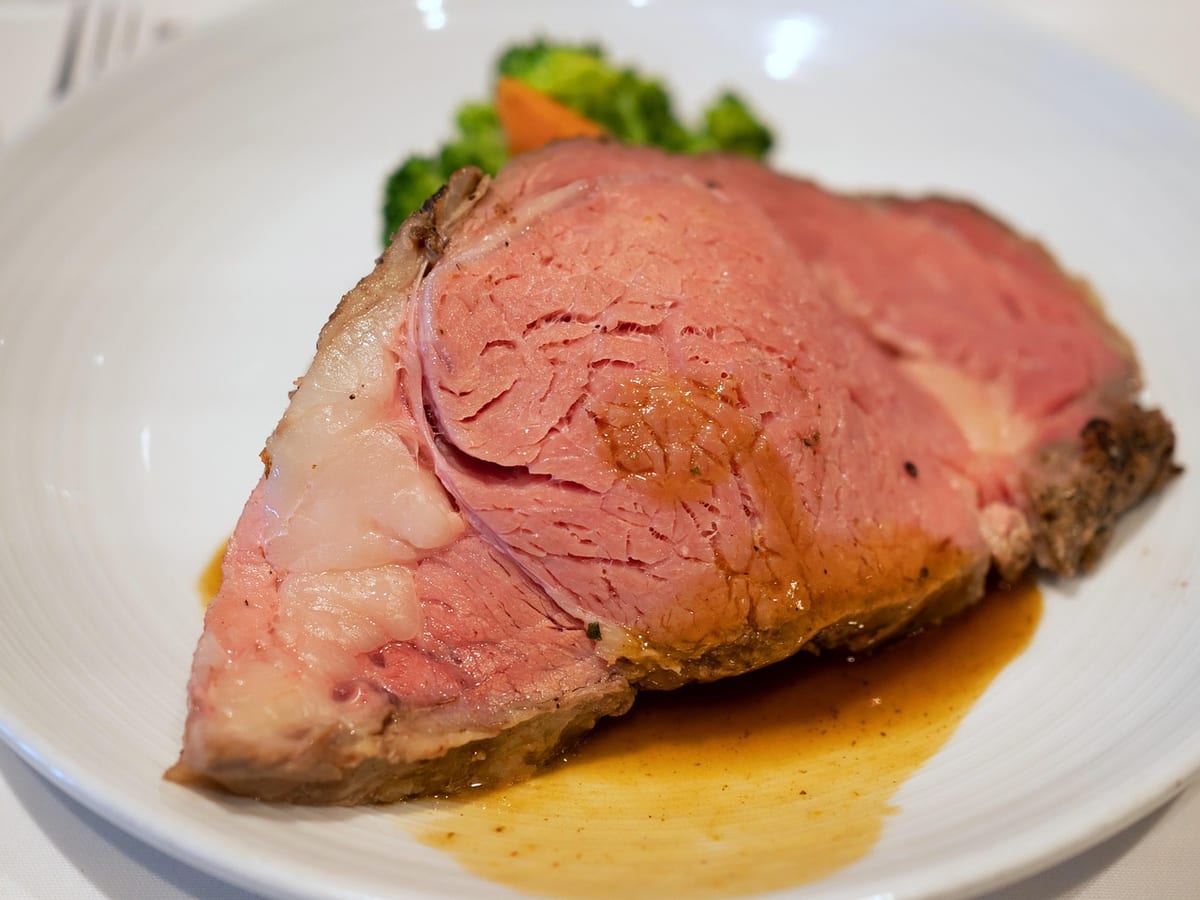
You can make pan jus on the stove from the roasting drippings while the prime rib rests, and stir together a creamy horseradish sauce an hour before dinner.
Au jus
While the roast rests, pour off all but 1 to 2 tablespoons of fat from the pan. Over medium heat on the burner (or in a saucepan), add 1 cup of beef broth or dry red wine and scrape up the browned bits, then add 2 more cups of broth, simmer for about 10 minutes, and pour in the juices from the cutting board. Taste before salting, since drippings from a salted roast are salty already. With a reverse sear, make the jus before the 500°F step so the drippings don't burn; if they do, use au jus mix in broth. For gravy instead, cook ¼ cup of fat with ¼ cup of flour for a minute or two, whisk in the 3 cups of liquid, and simmer until thick.
Horseradish sauce
Stir together ½ cup of sour cream, 3 tablespoons of prepared horseradish, 1 teaspoon of Dijon mustard, a squeeze of lemon, and a pinch of salt an hour ahead. Because horseradish varies in heat, add it a spoonful at a time, or serve jarred cream-style horseradish as is.

Ingredients Salt, Corn Starch, Dextrose, Hydrolyzed Corn Gluten, Soy Protein and Wheat Gluten, Rendered Beef Fat, Caramel Color, Onion, Corn Syrup Solids, Hydrolyzed Corn Protein, Garlic Spice, Celery, Cellulose (Thickener), Sodium Caseinate (Milk) & Natural Flavor.
Ingredients Salt, Modified Corn Starch, Lactose (Milk), Hydrolyzed Corn Gluten, Soy Protein and Wheat Gluten, Corn Syrup Solids, Yeast Extract, Onion, Caramel Color, Corn Maltodextrin, Sunflower Oil, Natural Flavor (Including Beef), Lard, Lactic Acid, Citric Acid, Disodium Inosinate and Guanylate (Flavor Enhancers), Beef Extract, Molasses, Wheat Starch, Tocopherols (Antioxidant), Soy Flour & Soy Lecithin.
Ingredients Salt, Corn Starch, Dextrose, Hydrolyzed Corn Gluten, Soy Protein and Wheat Gluten, Beef Fat, Caramel Color, Onion, Corn Syrup Solids, Garlic, Spices (Including Black Pepper), Celery, Sodium Carboxymethyl Cellulose (Thickener), Sodium Caseinate (Milk) & Natural Flavor.

Ingredients Beef Stock, Contains Less Than 2% of: Salt, Natural Flavor, Dehydrated Onion, Yeast Extract, Beef Flavor (Beef Extract, Natural Flavors), Natural Flavors.
Ingredients INGREDIENTS: BEEF STOCK, SALT, NATURAL FLAVORING, YEAST EXTRACT, MIREPOIX (CARROTS, CELERY, ONIONS), CANE SUGAR.
Ingredients Roasted Beef with Concentrated Beef Stock, Salt, Hydrolyzed Soy Protein, Sugar, Corn Syrup Solids, Flavoring, Yeast Extract, Dried Whey, Potato Flour, Caramel Color, Corn Oil, Xanthan Gum.
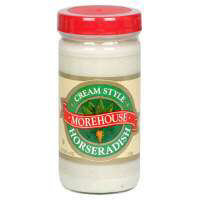
Ingredients Ground Horseradish Roots, Distilled Vinegar, High Fructose Corn Syrup, Modified Food Starch, Maltodextrin, Sugar, Egg Whites, Lemon Juice, Xanthan Gum, Salt, Citric Acid, Artificial Flavor, Potassium Sorbate (Preservative), Sodium Bisulfite (Retains Product Color), and Calcium Disodium EDTA (Retains Product Freshness).

Ingredients Grated Horseradish Roots, Water, White Distilled Vinegar, Soybean Oil, Sugar, Egg Yolk, Salt, Eggs, Lemon Juice Concentrate, Modified Food Starch, Xanthan Gum, Artificial Flavors, Sodium Metabisulfite (Preservative), Paprika, Mustard Seed, Citric Acid, Sodium Benzoate (Preservative), Spices, Calcium Disodium EDTA (Retains Product Freshness).

Ingredients Horseradish, Distilled Vinegar, Water, Salt, Natural Flavor.

Ingredients Cultured Pasteurized Cream and Fat Free Milk, Modified Corn Starch, Disodium Phosphate, Guar Gum, Carrageenan, Locust Bean Gum, Natural Flavors.
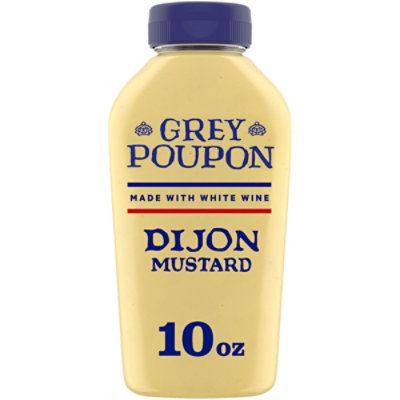
Ingredients DISTILLED WHITE VINEGAR, MUSTARD SEED, WATER, SALT, WHITE WINE, CITRIC ACID, TARTARIC ACID, FRUIT PECTIN, SUGAR, SPICES.
What to Serve With Prime Rib
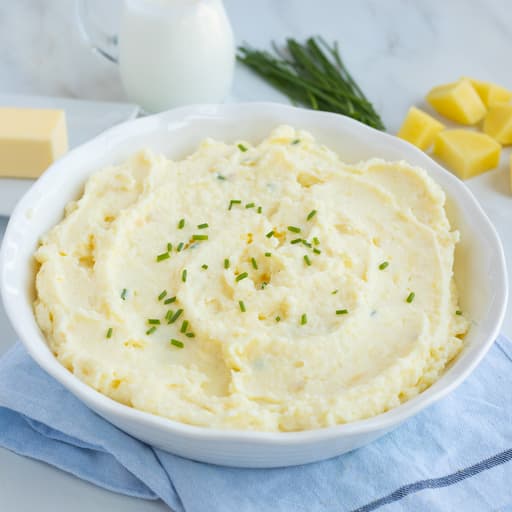
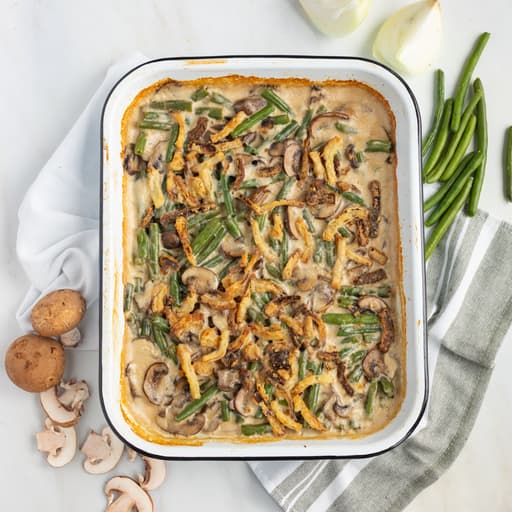
Serve prime rib with jus and horseradish sauce, mashed or roasted potatoes, a green vegetable, a salad, and Yorkshire pudding or rolls.
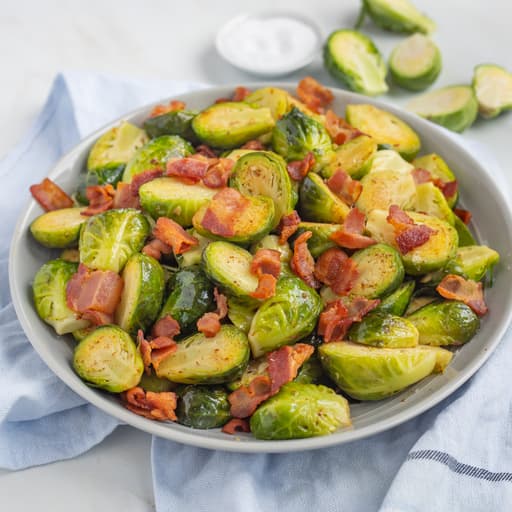
The roast holds the oven for hours, so pick sides that cook on the stovetop, dishes made earlier in the day such as our Blue Cheese & Cranberry Brussels Sprouts Salad or Easy Sweet Potato Harvest Rolls, or casseroles that bake in the 30 to 45 minutes between the roast coming out and dinner.


Storing and Using Leftover Prime Rib
Get leftovers into the fridge within 2 hours of the roast leaving the oven, resting time included. Slice the roast first so it chills fast, and wrap it well. Leftover prime rib keeps 3 to 4 days in the fridge or 2 to 3 months frozen.
To keep it pink, serve slices cold in sandwiches with horseradish sauce, or use the beef in hash or soup. To warm slices gently, heat them in a covered pan with a splash of jus or broth. The USDA says to reheat leftovers to 165°F, which takes the beef past medium-rare.
Other Beef Roasts for a Holiday Dinner
If you want another beef roast instead of prime rib, consider beef tenderloin, top sirloin or tri-tip, eye of round, or a cross rib or chuck roast.
Beef tenderloin
Beef tenderloin is the most tender cut, milder in flavor and higher in cost per pound; a whole trimmed tenderloin roasts in 30 to 45 minutes at 425°F, as in our Roast Beef Tenderloin with Dijon, Garlic & Fresh Thyme.
Top sirloin roast and tri-tip
Top sirloin roast and tri-tip are leaner, beefy cuts that are easier on the budget; roast either one hot to medium-rare and slice it thin across the grain.
Eye of round
Eye of round is very lean and economical; roast it only to rare or medium-rare and slice it very thin for deli-style roast beef, or it turns tough.
Cross rib roast and chuck roast
Both cross rib roast and chuck roast are shoulder (chuck) cuts rather than rib cuts, despite the name "cross rib"; chuck roast needs low, slow, moist heat, while a cross rib roast (like our Peppered Beef Cross Rib Roast) can be roasted low and sliced thin, or braised.

Related guides
Frequently asked questions
Can I buy prime rib at your store?
Yes, we sell prime rib as a beef rib roast, labeled as a standing rib roast with the bones on or a ribeye roast boneless. You will find the biggest selection before the winter holidays, and the rest of the year you can ask the meat department at your store. Please check with your local store.
Can I order a cooked prime rib dinner ahead?
Yes, our Prime Rib Holiday Dinner includes a fully cooked 3 to 4 lb roast with four sides and serves 4 to 6 people. Order it at least 72 hours ahead on our website or app, and allow 2 to 3 hours to heat it. Please check with your local store.
Is a rib roast the same as prime rib?
Yes, a rib roast and prime rib are the same cut of beef. A standing rib roast is the bone-in version, and a ribeye roast is boneless.
Is prime rib USDA Prime beef?
Not necessarily, because "prime rib" is the name of the roast rather than the USDA grade. The grade is printed separately on the label, and most supermarket rib roasts are Choice.
How many people does a 4 lb boneless prime rib serve?
A 4 lb boneless prime rib roast serves about 5 people at ¾ lb per person, or up to 8 people when you serve lots of sides.
How long do I cook prime rib per pound?
Plan on about 13 to 15 minutes per pound at 325°F after an initial sear of 15 to 20 minutes at 450°F for a 2- to 4-rib roast cooked to medium-rare, and always use a meat thermometer to be sure.
What temperature is prime rib medium-rare?
Pull the roast at 120 to 125°F so it rises to about 130 to 135°F as it rests; the USDA safe minimum for beef roasts is 145°F plus a 3-minute rest.
Can I cook prime rib from frozen?
Roasting from frozen is safe, but the beef cooks unevenly and takes about 50% longer. Thaw it in the refrigerator instead, allowing about a day for every 4 to 5 lb.