
Discover delicious fresh fruit desserts perfect for summer entertaining. From quick fruit salads to elegant layered desserts, learn techniques for showcasing seasonal produce at its peak.
Quick reference
| Summer Berries | Strawberries, raspberries, blackberries, blueberries |
|---|---|
| Stone Fruits | Peaches, nectarines, plums, apricots, cherries |
| Melons | Watermelon, cantaloupe, honeydew, muskmelon |
| Citrus | Oranges, grapefruits, limes, lemons for brightness |
| Tropical | Pineapple, mango, kiwi, papaya for exotic flavors |
| Fresh Fruit Salads | Simple combinations with light dressings or syrups |
| Layered Parfaits | Alternating fruit with cream, yogurt, or custard |
| Deconstructed Classics | Modern takes on shortcake, trifle, and cobbler |
| Gelatin Desserts | Light, refreshing jellies and layered gelatin treats |
| Fruit Toppings | Fresh salsas and compotes for pancakes and naan |
| Chocolate Pairings | Fruit combined with chocolate bark and ganache |
| Proper Washing | Rinse berries gently just before use to prevent mushiness |
| Ripeness Testing | Look for color, smell, and gentle give for stone fruits |
| Preventing Browning | Use lemon or lime juice on cut apples, pears, and bananas |
| Layering Order | Place sturdy fruits on bottom, delicate ones on top |
| Watery Fruit Salad | Drain excess juices before serving or add absorbing ingredients like chopped mint |
| Bland Flavor | Add citrus juice, honey, or a pinch of salt to enhance natural fruit sweetness |
| Mushy Berries | Handle gently and add to desserts just before serving to maintain texture |
| Unripe Fruit | Enhance with sugar syrup, honey, or pair with sweeter fruits |
| Soggy Layers | Use barriers like graham crackers or cookies between wet and dry components |
| Quick Browning | Cut fruit just before serving and toss with acidic ingredients immediately |
Shoppable recipes
Rather start from a proven recipe? These are ready to shop in one click.
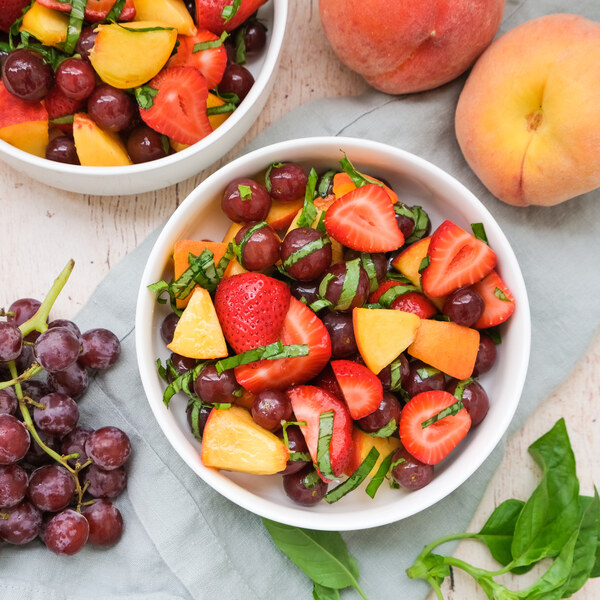


Classic fresh fruit dessert techniques
Select Peak Season Fruit
The foundation of any great fruit dessert is perfectly ripe, seasonal fruit. Choose berries that are plump, deeply colored, and fragrant—avoid any with soft spots or mold. Stone fruits should yield slightly to gentle pressure and have a sweet aroma at the stem end. Melons should sound hollow when tapped and have a sweet smell at the blossom end. Buy fruit at different stages of ripeness if making dessert over several days.
Pro tip: Shop Smart: Visit farmers markets for the freshest, most flavorful fruit, and don't be afraid to ask vendors about ripeness and storage
Proper Washing and Preparation
Wash berries gently in cool water just before using—washing too early causes them to deteriorate quickly. For stone fruits, rinse and dry thoroughly, then cut just before assembling your dessert. Remove any stems, pits, or tough skins as needed. Cut fruit into uniform pieces for even distribution and attractive presentation. Keep cut fruit chilled until ready to use.
Pro tip: Timing is Everything: Prepare fruit components as close to serving time as possible to maintain peak texture, color, and nutritional value
Create Flavor Balance
Great fruit desserts balance sweet, tart, and sometimes savory elements. Combine naturally sweet fruits like ripe peaches with tart berries or citrus. Add fresh herbs like mint or basil for complexity, or a pinch of salt to enhance sweetness. Light sweeteners like honey or maple syrup complement rather than mask fruit flavors. Consider texture contrasts—pair soft fruits with crunchy elements like toasted nuts or granola.
Pro tip: Taste as You Go: Fruit sweetness varies greatly, so taste and adjust sweeteners and acid balance throughout the preparation process
Master Simple Fruit Salads
Start with 3-4 complementary fruits cut into similar-sized pieces. Toss gently with a light dressing of honey, lime juice, and fresh herbs. Let flavors meld for 15-30 minutes before serving. For variety, try different herb combinations like mint with watermelon, basil with strawberries, or cilantro with tropical fruits. Serve chilled in beautiful bowls or glasses for an elegant presentation.
Pro tip: Less is More: Use restraint with dressings and seasonings—the goal is to enhance, not overpower, the natural fruit flavors
Build Layered Desserts
Create impressive layered desserts by alternating fruit with creamy components like whipped cream, yogurt, or custard. Start with sturdier fruits on the bottom and place delicate berries on top. Add textural elements like crushed cookies, graham crackers, or granola between layers. Use clear glasses or bowls to show off the beautiful layers. Chill assembled desserts for at least 30 minutes before serving.
Pro tip: Layer Strategy: Place a barrier like cookies or cake between very wet fruits and creamy layers to prevent sogginess
Perfect Whipped Cream Pairings
Fresh whipped cream elevates any fruit dessert. Whip heavy cream to soft peaks, then add a touch of vanilla and powdered sugar to taste. For variety, try flavored whipped creams with lemon zest, almond extract, or a splash of liqueur. Serve immediately or within 2 hours for best texture. Consider alternatives like whipped mascarpone for richness or Greek yogurt for a lighter option.
Pro tip: Whipping Success: Chill your bowl and beaters beforehand, and don't overwhip—stop at soft to medium peaks for the best texture
Creative presentations & seasonal specialties
Deconstructed Classic Desserts
Take inspiration from traditional desserts but present them in fresh, modern ways. Deconstructed strawberry shortcake layers fresh berries, fluffy biscuit pieces, and whipped cream in individual glasses. Create 'shortcake' by using pound cake, angel food cake, or even fresh biscuits. This approach allows diners to get perfect ratios of each component in every bite while showcasing the beautiful ingredients.
Pro tip: Component Quality: Since each element stands alone, make sure every component—from the cake to the cream—is perfectly executed
Seasonal Fruit Combinations
Create signature combinations that celebrate each season's bounty. Summer calls for stone fruit and berry medleys with fresh herbs. Try peach and raspberry with mint, or mixed berries with basil and a drizzle of balsamic reduction. Late summer brings melon and citrus pairings. These seasonal combinations not only taste amazing but also provide natural color coordination for beautiful presentations.
Pro tip: Color Harmony: Choose fruits that create appealing color combinations—the visual impact is just as important as the flavor
Chocolate and Fruit Pairings
Combine fresh fruit with chocolate elements for indulgent yet fresh desserts. Create chocolate bark studded with dried fruits and nuts, then serve alongside fresh berries. Drizzle melted dark chocolate over fruit salads, or create fruit and chocolate parfaits. The key is balance—use high-quality chocolate sparingly to complement, not overwhelm, the fresh fruit flavors.
Pro tip: Temperature Contrast: Serve chocolate elements at room temperature with chilled fruit for appealing temperature and texture contrasts
Gelatin and Molded Desserts
Light, refreshing gelatin desserts are perfect for hot weather entertaining. Layer different colored gelatins with fresh fruit pieces for stunning visual effects. Use real fruit juices instead of artificial flavors, and add fresh fruit pieces to each layer. These desserts can be made well ahead and actually improve with time as flavors develop and set properly.
Pro tip: Layering Technique: Let each gelatin layer set completely before adding the next to achieve clean, distinct layers
Frequently asked questions
How do I keep fruit salad from getting watery?
Cut fruits with high water content like watermelon and citrus just before serving, drain any excess juices, and add absorbent ingredients like chopped fresh herbs or a light dusting of cornstarch if needed.
What's the best way to sweeten fresh fruit desserts?
Honey, maple syrup, or simple syrup work better than granulated sugar as they dissolve easily and coat fruit evenly. A squeeze of citrus juice also enhances natural sweetness.
How far ahead can I prepare fruit desserts?
Prepare components separately and assemble within 2 hours of serving. Cut fruit can be stored up to 24 hours covered in the refrigerator, but texture and appearance are best when fresh.
Which fruits pair best together in desserts?
Classic combinations include strawberries with rhubarb, peaches with berries, and citrus with tropical fruits. Mix different textures and balance sweet fruits with tart ones for complexity.
How do I prevent fruit from browning in desserts?
Toss cut apples, pears, peaches, and bananas with lemon or lime juice immediately after cutting. The acid prevents oxidation that causes browning.
What's the difference between a fruit salad and a fruit dessert?
Fruit salads are typically simple combinations with light dressings, while fruit desserts often include additional components like whipped cream, pastry elements, or layered presentations for a more indulgent experience.